

Have you ever wondered if ankle monitors can detect drugs? If you or someone you know is wearing one, this question might be on your mind.
Understanding how these devices work can give you peace of mind or help you stay informed about what to expect. Keep reading to discover the truth about ankle monitors and their ability to detect drug use—what they can do, what they can’t, and why it matters to you.
How Ankle Monitors Work
Ankle monitors are tools used by law enforcement to track people outside jail. They help watch movements and ensure rules are followed. Understanding how these devices work helps clarify their role in monitoring individuals.
Basic Technology Behind Ankle Monitors
Ankle monitors use radio signals to communicate with base stations. These signals send data about the person’s location and status. The device fits securely around the ankle and stays connected to the system. Sensors inside detect tampering or removal attempts. This technology keeps constant watch on the wearer.
Tracking Location And Movement
Global Positioning System (GPS) is the main method for tracking. GPS satellites send signals to the monitor to find exact location. The data updates regularly and sends to monitoring centers. Some devices use cellular networks to transmit information. This allows real-time tracking of the person’s movement. Alerts notify officials if the wearer leaves approved zones.
Types Of Ankle Monitors
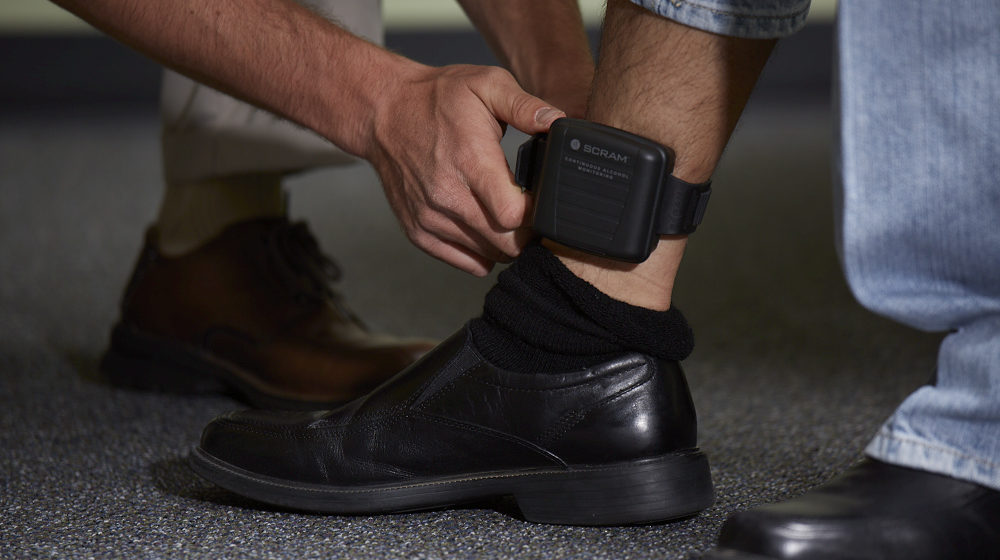
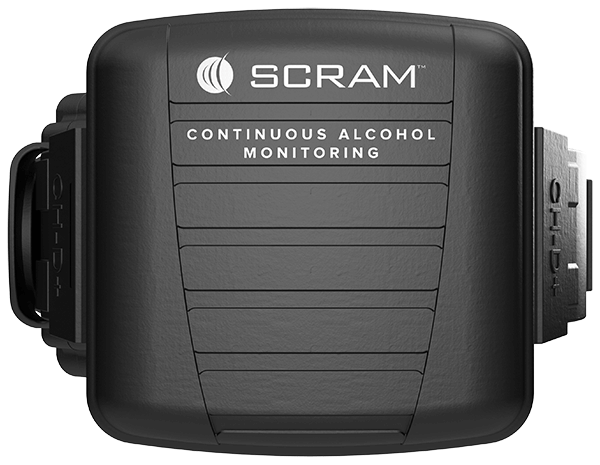
Different types of ankle monitors serve different purposes. GPS monitors track location outdoors and indoors with some limits. Radio Frequency (RF) monitors check if a person stays near a base unit. Alcohol-detection monitors sense alcohol use through the skin. Some devices combine features to improve monitoring accuracy. Choosing the right type depends on the case needs.
Credit: lextox.co.uk
Drug Detection Capabilities
Ankle monitors are widely used for tracking location and ensuring compliance with court orders. Many wonder if these devices can also detect drug use. The technology inside ankle monitors mainly focuses on movement and location. Detecting drugs requires different methods and tools.
Some ankle monitors include sensors that can detect certain substances. But these sensors have limits. They cannot identify all drugs or the exact amount used. Understanding these capabilities helps clarify what ankle monitors can and cannot do.
Sensors Included In Ankle Monitors
Most ankle monitors have GPS trackers and motion sensors. These sensors help track if the wearer follows movement restrictions. A few models may have sensors to detect alcohol or sweat chemicals. These sensors check for specific substances on the skin surface.
These devices cannot detect drugs inside the body or in the blood. Sensors mainly work by measuring external signs. The technology is still developing but remains limited for drug detection.
Limitations In Substance Detection
Ankle monitors cannot test for most drugs like cocaine, heroin, or methamphetamines. They do not collect samples like urine or saliva. Environmental factors can affect sensor readings. Sweat sensors may give false positives or miss low levels of substances.
Drug detection requires precise chemical analysis, which ankle monitors do not provide. These devices support monitoring but do not replace drug tests. Their role in drug detection is small and indirect.
Comparison With Drug Testing Methods
Drug tests use urine, blood, or saliva samples. These tests identify drug types and amounts accurately. They detect recent and past drug use through metabolites. Drug tests offer reliable and specific results.
Ankle monitors cannot match this accuracy. They only provide limited information about possible substance use. Courts and authorities rely on drug tests more than ankle monitors for detecting drugs.
Common Misconceptions
Many people have wrong ideas about ankle monitors and their abilities. These devices are often confused with drug detection tools. Understanding what ankle monitors can and cannot do helps clear up these myths.
Can Ankle Monitors Detect Drug Use?
Ankle monitors do not detect drug use. They track location and movement only. Drug testing requires different methods like urine or blood tests. The monitor itself cannot sense drugs in the body.
Confusing Gps Tracking With Drug Monitoring
People often mix up GPS tracking with drug monitoring. GPS shows where a person is, not what they do. Ankle monitors use GPS or radio signals to follow movement. They do not analyze behavior or substances.
Legal And Practical Boundaries
The law limits what ankle monitors can do. They must respect privacy and legal rights. Drug testing is separate and done by courts or probation officers. Ankle monitors focus on keeping track of location only.
Alternative Drug Monitoring Tools
Alternative drug monitoring tools offer different ways to track substance use. They provide more options beyond ankle monitors. Each tool has unique features and uses. Understanding these tools helps in choosing the right method for drug detection.
Breathalyzers And Sweat Patches
Breathalyzers test alcohol levels quickly. They measure alcohol in the breath, showing if someone is intoxicated. Sweat patches collect sweat over days. They detect drugs released through the skin. Both tools are non-invasive and easy to use.
Urine And Blood Testing
Urine tests are common for drug detection. They can find many types of drugs. Blood tests are more precise but take longer. Both methods require samples from the person. They give accurate and reliable results.
Emerging Technologies
New tools use sensors and digital tracking. Some monitor chemicals in the body continuously. Others use wearable devices to catch drug use early. These technologies aim to improve accuracy and comfort.
Impact On Criminal Justice System
The impact of ankle monitors on the criminal justice system is significant. These devices change how authorities supervise offenders. They provide continuous tracking without the need for jail time. This helps reduce prison overcrowding and cuts costs for the system.
Ankle monitors also influence how drug-related cases are managed. While they cannot detect drug use directly, they support other efforts in monitoring and rehabilitation. The technology raises questions about privacy and ethics as well.
Role Of Ankle Monitors In Probation
Ankle monitors help track offenders on probation. They ensure that people follow court orders. Authorities can see if someone leaves a designated area. This reduces the chance of breaking probation rules. It also allows offenders to stay in their community.
Drug Monitoring And Rehabilitation
Ankle monitors do not detect drugs in the body. Testing for drugs requires separate methods like urine or blood tests. Still, ankle monitors track if someone visits rehab or testing centers. This helps authorities enforce drug treatment programs. It supports offenders in their recovery journey.
Privacy And Ethical Concerns
Wearing ankle monitors raises privacy issues. Constant tracking feels invasive to many people. There is concern about data security and misuse. Ethical questions arise about fairness and dignity. Courts must balance public safety with individual rights.
Credit: www.scramsystems.com
Future Of Drug Detection Technology
The future of drug detection technology is promising and evolving fast. Advances in science and engineering drive new tools to monitor drug use more accurately. These tools aim to help law enforcement, healthcare providers, and individuals stay safer and healthier. Technology will likely become smaller, smarter, and more connected. This section explores innovations in wearable sensors, potential for integrated monitoring, and challenges ahead.
Innovations In Wearable Sensors
Wearable sensors now detect physical signs related to drug use. New sensors may soon detect chemicals in sweat or skin. These devices can provide real-time alerts about drug exposure. Miniature sensors are becoming more sensitive and less invasive. Future wearables might track multiple substances at once. This technology could offer continuous monitoring outside of clinics or labs.
Potential For Integrated Monitoring
Combining drug detection with other health data could improve monitoring. Devices may track heart rate, movement, and drug levels together. Integration allows better understanding of how drugs affect the body. Data can be shared securely with doctors or authorities. This approach supports personalized treatment and quicker interventions. It also helps monitor compliance with court orders or rehab programs.
Challenges Ahead
Developing accurate, reliable drug detection devices faces many challenges. Sensors must avoid false alarms and privacy concerns. Battery life and comfort are important for wearable devices. Legal and ethical issues arise around constant monitoring. Users need clear information about how data is used. Overcoming these barriers requires careful design and regulation.

Credit: www.corrections.direct
Frequently Asked Questions
Can Ankle Monitors Detect Drug Use Directly?
No, ankle monitors cannot directly detect drug use. They track location and movement but lack chemical sensors for drugs.
How Do Ankle Monitors Assist In Drug-related Cases?
Ankle monitors help by ensuring individuals stay in designated areas, aiding compliance with drug testing requirements.
Are There Devices That Detect Drugs On The Body?
Yes, some wearable devices and tests detect drug metabolites, but ankle monitors do not have this capability.
Can Ankle Monitors Alert Authorities About Drug Consumption?
Ankle monitors cannot alert authorities about drug use; alerts are based on location or tampering only.
Conclusion
Ankle monitors help track a person’s location closely. They do not test for drugs directly. Drug detection needs special tests like urine or blood checks. These monitors mainly prevent leaving set areas. Understanding their limits keeps expectations clear. Courts and officers use them as one tool.
Combining monitoring with drug tests works best. This helps keep communities safer and supports justice.
As an Amazon Associate, I earn from qualifying purchases.

