When your car’s temperature gauge climbs into the red, it’s a sign something is wrong under the hood. One common cause of overheating that many drivers overlook is a faulty head gasket. This small but important component plays a big role in engine health.
Ignoring its warning signs can lead to serious engine damage and expensive repairs. If you’ve ever wondered, “Can a head gasket cause a car to overheat? ”—the answer is yes, and here’s why.
What Does A Head Gasket Do?
The head gasket sits between the engine block and the cylinder head. Its main job is to seal the engine’s combustion chamber, so oil and coolant don’t mix. It also helps maintain the right compression for your engine to run smoothly. If the head gasket fails, it can let coolant leak into places it shouldn’t go, causing multiple problems—including overheating.
How A Bad Head Gasket Causes Overheating
A blown head gasket breaks the seal between the engine block and the cylinder head. This can let coolant enter the combustion chamber or let exhaust gases leak into the cooling system. Both situations disturb the engine’s ability to keep itself cool.
Here’s how:
- Coolant Loss: A leak lets coolant escape, so there’s less fluid to absorb heat.
- Contamination: Oil and coolant may mix, reducing the effectiveness of both.
- Air Pockets: Exhaust gases in the cooling system can create air pockets, making it harder for coolant to circulate.
- Pressure Problems: The cooling system may lose pressure, causing the boiling point of the coolant to drop.
This chain reaction results in the engine not getting cooled properly. If the issue isn’t fixed quickly, overheating can warp the cylinder head or even crack the engine block.
Common Signs Of A Blown Head Gasket
Recognizing the symptoms early can save your engine and your wallet. Here are some signs that your head gasket might be causing your car to overheat:
- White smoke from the exhaust: This may be coolant burning in the combustion chamber.
- Milky oil: If you see a milky, frothy substance on the oil dipstick or under the oil cap, coolant is mixing with oil.
- Bubbles in the radiator: When exhaust gases leak into the cooling system, you may see constant bubbles in the radiator or coolant overflow tank.
- Loss of coolant without visible leaks: If you keep topping up coolant but can’t find an external leak, it could be leaking internally through the head gasket.
- Overheating engine: The temperature gauge may show the engine overheating, especially after short drives.
Many drivers miss early signs, thinking it’s just a minor coolant leak or bad thermostat. But ignoring these clues can lead to complete engine failure.
Head Gasket Failure Vs. Other Overheating Causes
Many things can cause a car to overheat, not just a bad head gasket. Let’s compare some key causes:
| Cause | Main Effect | Typical Symptoms |
|---|---|---|
| Head Gasket Failure | Coolant loss, mixing with oil | White smoke, milky oil, overheating |
| Radiator Leak | Coolant loss | Puddle under car, overheating |
| Thermostat Failure | Poor coolant flow | Overheating, no heat in cabin |
| Water Pump Failure | No coolant circulation | Overheating, whining noise |
A head gasket problem is unique because it often leads to coolant mixing with oil or exhaust gases in the cooling system, which you won’t see with other causes.

Credit: www.capitolsubaru.com
Why Overheating From A Head Gasket Is So Dangerous
Engine overheating is always a risk, but a head gasket failure makes things worse. When coolant leaks into the combustion chamber, the engine can’t keep its temperature under control. Over time, this heat can warp the cylinder head or block, requiring a full engine rebuild or replacement.
Also, if oil mixes with coolant, it loses its ability to lubricate engine parts. This increases friction and can lead to engine seizure. Repair costs for a blown head gasket can range from $1,000 to over $2,500, depending on the car and the extent of the damage.
Diagnosing A Head Gasket Problem
If you suspect a head gasket issue, don’t ignore it. Here’s how mechanics usually diagnose it:
- Compression test: Measures if cylinders are holding pressure.
- Chemical test: Checks for exhaust gases in the coolant.
- Visual inspection: Looks for milky oil, white smoke, or bubbling coolant.
Here’s a quick comparison of common diagnostic methods:
| Test | What It Detects | Cost Range |
|---|---|---|
| Compression Test | Loss of cylinder pressure | $50-$150 |
| Chemical Block Test | Exhaust gases in coolant | $30-$100 |
| Visual Inspection | Milky oil, coolant loss | Free-$50 |
Preventing Head Gasket Failure And Overheating
You can reduce your risk of a blown head gasket by following these tips:
- Check coolant levels regularly: Low coolant can overheat the engine and stress the head gasket.
- Watch for leaks: Small leaks can grow quickly and cause pressure loss.
- Use the correct coolant: Mixing types can cause chemical reactions and damage.
- Don’t ignore overheating: Pull over and let the engine cool if you see the temperature rise.
- Service your cooling system: Replace the thermostat, radiator cap, and flush coolant as recommended.
A non-obvious tip: Never open a hot radiator cap. Doing so can cause burns and may introduce air into the cooling system, making things worse.
Another insight: Some newer engines have multi-layer steel head gaskets that are more durable, but once they fail, repairs are usually more complex and costly.
Can You Drive With A Blown Head Gasket?
While it might be tempting to keep driving, it’s a risky move. Even short trips can cause more damage if your car is overheating. In some cases, driving just a few miles with a failed head gasket can ruin the engine beyond repair.
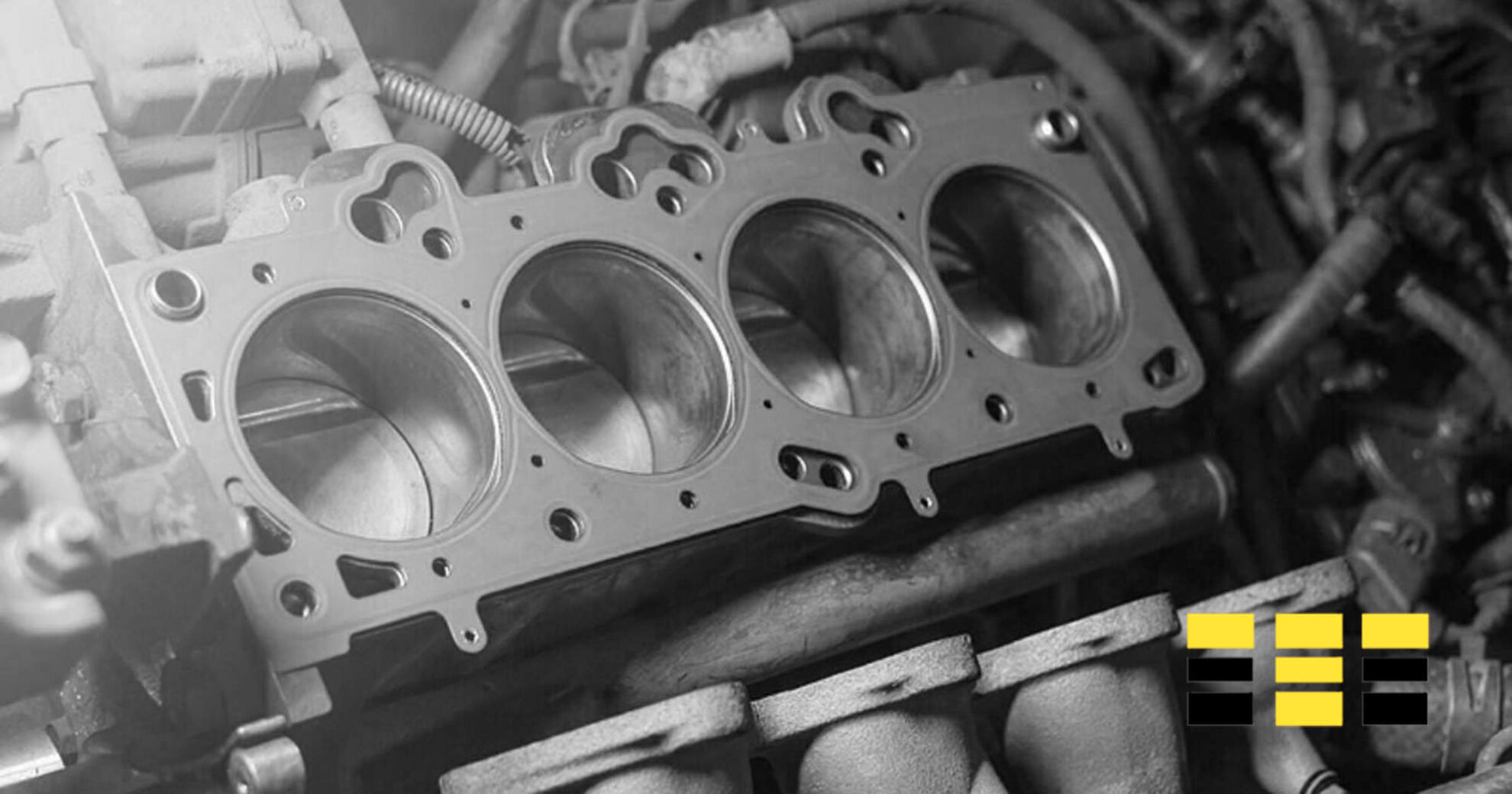
Credit: tunerworks.com
Repair Options And Costs
Fixing a blown head gasket is not a quick job. It often involves:
- Removing the cylinder head
- Inspecting for warping or cracks
- Replacing the gasket and possibly other parts
Some mechanics offer “head gasket sealers” as a temporary fix, but these rarely last. Professional repair is always the safest route. Expect to pay between $1,000 and $2,500, depending on your car and the damage. For more details, you can read about typical repair costs at Wikipedia.
Frequently Asked Questions
What Happens If I Ignore A Blown Head Gasket?
Ignoring it can cause severe engine damage, including warped heads, cracked blocks, and total engine failure. Repair costs will increase the longer you wait.
Can A Head Gasket Fail Without Causing Overheating?
Yes, sometimes the first sign is oil contamination or white smoke, not overheating. But most failures eventually lead to temperature problems.
Is It Safe To Use Head Gasket Sealers?
Sealants may offer a temporary fix but are rarely a long-term solution. They can also clog other parts of your cooling system.
How Long Does It Take To Replace A Head Gasket?
A professional mechanic usually needs 8–12 hours, depending on the engine type and the extent of the damage.
Are Some Cars More Likely To Have Head Gasket Problems?
Yes, certain makes and models are more prone due to engine design or material choices. Research your specific car for known issues.
A head gasket may be small, but its failure can cause major overheating and engine damage. Early detection, regular maintenance, and quick repairs are key to keeping your car running cool and reliable.

Credit: barsleaks.com
As an Amazon Associate, I earn from qualifying purchases.