If your Ford F150 suddenly has electrical problems—maybe the radio stops working, or your power windows won’t move—there’s a good chance a fuse is the cause. Fuses are small, inexpensive parts, but they protect your truck’s entire electrical system. Knowing where to find these fuses is essential for quick troubleshooting and simple repairs. Whether you’re a new F150 owner or have driven one for years, understanding your fuse locations will save you time and stress.
Main Fuse Locations In The Ford F150
The Ford F150 has two main fuse boxes. Each box protects different parts of your truck’s electrical system. Let’s break down where to find them and what they control.
1. Passenger Compartment Fuse Box
This is sometimes called the interior fuse panel. You will find it inside the truck, on the lower part of the dashboard. In most F150s (1997 and newer), it sits just above the brake pedal, near where your left foot rests.
- To access it, open the driver’s door and look under the dashboard.
- You might need to remove a plastic cover by pulling a tab or pressing a clip.
- This box protects systems like the radio, interior lights, power windows, and some sensors.
2. Power Distribution Box (engine Compartment)
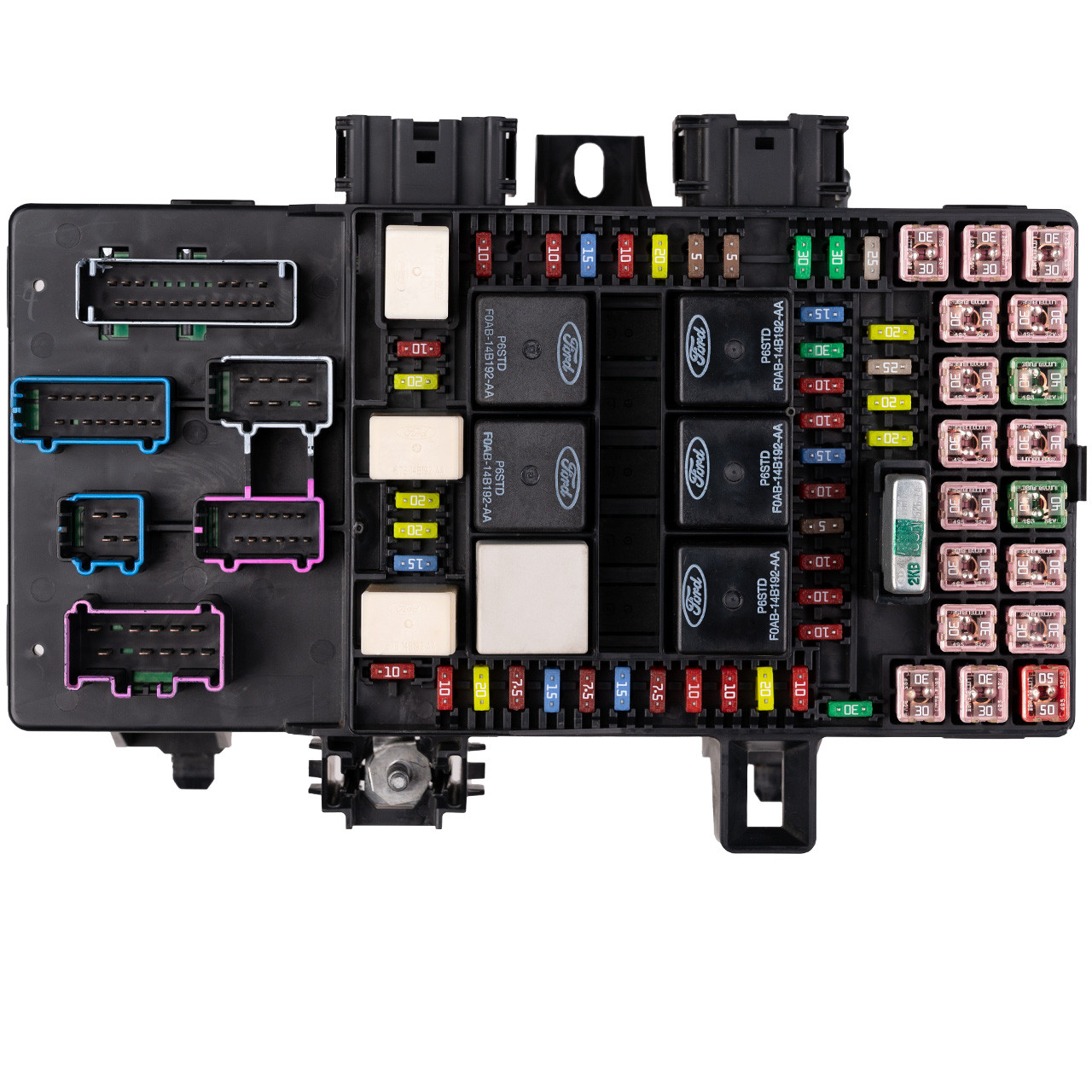
The power distribution box is in the engine bay. Open the hood, and you’ll see a black box close to the battery or the fender.
- Press the tabs on the sides to lift the cover.
- This box contains larger fuses and relays for major systems like the fuel pump, headlights, and cooling fans.
- It also has “maxi fuses” that protect critical circuits.
Below is a comparison of what each fuse box typically controls in a Ford F150:
| Fuse Box Location | Main Functions | Common Systems |
|---|---|---|
| Passenger Compartment | Cabin Electronics | Radio, Power Windows, Dome Light |
| Engine Compartment | Major Vehicle Functions | Starter, Headlights, Engine Controls |
How To Identify Fuses In Your F150
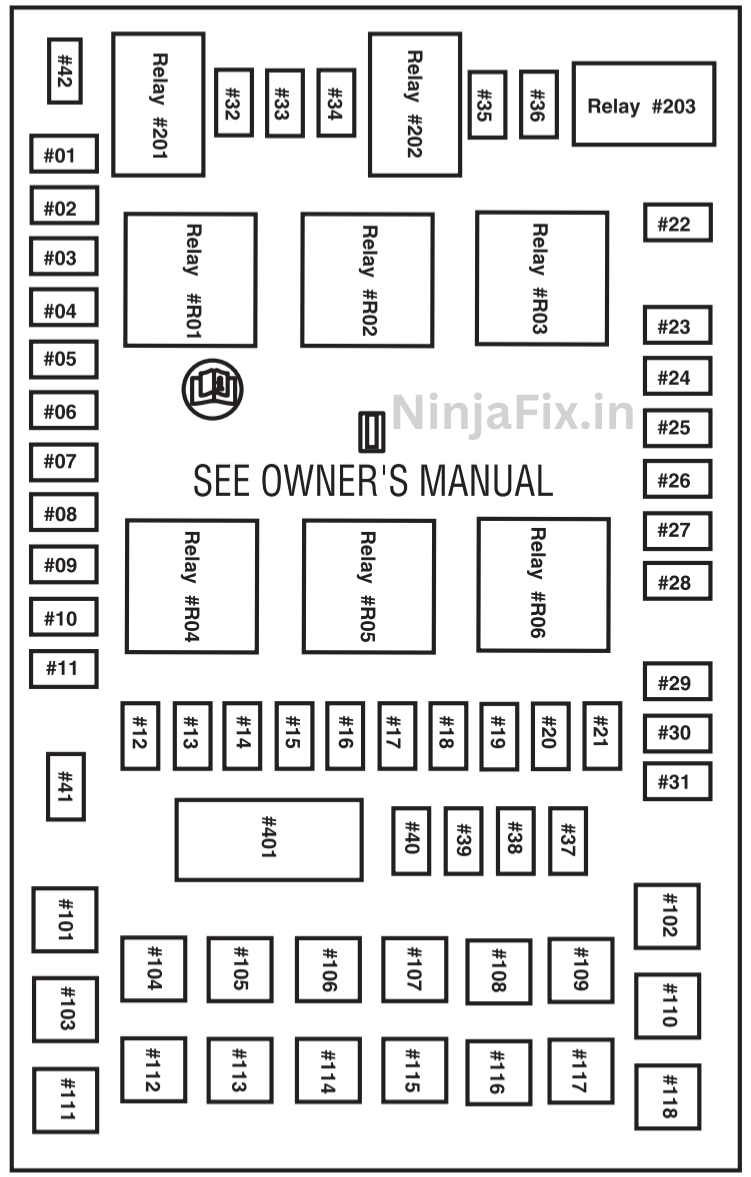
Each fuse controls a specific circuit. Ford provides a fuse diagram (also called a legend or key) inside the cover of each fuse box. This map shows you which fuse matches each system.
- Fuses are usually numbered and color-coded.
- The number next to exposed metal prongs on top shows the amperage rating (such as 10A, 15A, 20A).
- Use needle-nose pliers or a special fuse puller (often included in the box) to remove fuses safely.
Here’s a quick example of fuse colors and their meanings:
| Fuse Color | Amperage (A) | Typical Use |
|---|---|---|
| Red | 10 | Radio, Interior Lights |
| Blue | 15 | Power Outlets, Wipers |
| Yellow | 20 | Power Windows, Sunroof |
Credit: www.hotelperladunajca.pl
Step-by-step: Checking And Replacing Fuses
If you suspect a blown fuse, follow these steps to check and replace it safely:
- Turn off the ignition and all electrical systems.
- Open the correct fuse box (interior or engine).
- Read the diagram to find the right fuse number.
- Pull out the fuse gently.
- Look at the metal strip inside. If it’s broken or burned, the fuse is bad.
- Replace it with one of the same amperage. Using a higher or lower value can cause damage or fire.
Many beginners forget to turn off the ignition before pulling fuses. This can cause sparks or damage electronics. Also, always keep some spare fuses in your glove box for emergencies.
Fuses By Model Year: What’s Different?
The general fuse box locations have stayed the same for most Ford F150s from 1997 to today. However, the exact layout, number, and function of fuses can change between years and trim levels. For example:
- 2015–2020 F150s have more computer modules, so you may see extra fuses for new features like lane-keeping assist or power tailgates.
- Older models (before 1997) sometimes have the interior fuse panel in the kick panel, not under the dash.
Always check your owner’s manual for the exact diagram. If you lost your manual, Ford provides digital copies for free on their official website.

Credit: www.youtube.com
Common Fuse Issues In The F150
Some electrical problems in the F150 are more common than others. Knowing which fuses control these systems can help you diagnose issues faster.
- Power windows not working: Usually an interior fuse, often 20A.
- Cigarette lighter/power outlet dead: Check the 15A or 20A fuse in the interior box.
- Headlights or taillights out: Look for the correct fuse in the engine compartment box.
Many owners overlook the importance of checking both boxes—sometimes a single system (like trailer lights) uses fuses in both locations.
Another common mistake is replacing a blown fuse without finding the cause. If a fuse blows again soon, there’s probably a short circuit or faulty part.
When To Check Fuses (and When Not To)
Fuses are not always the problem. If multiple systems fail at once, the problem might be a relay, wiring, or even the battery. But if just one thing stops working (like just the radio), the fuse is often the first place to check.
- Only replace fuses after confirming they are blown.
- Don’t use foil or other metal objects as a “temporary” fix—this can destroy wiring or start a fire.
- If you replace a fuse and it blows again immediately, stop and get professional help.
Below is a quick comparison of symptoms and likely causes:
| Problem | Likely Cause | What to Check |
|---|---|---|
| One feature stops working | Blown fuse | Correct fuse box and fuse number |
| Multiple features fail | Main relay or wiring | Relays, wiring harness, battery |
| Fuse blows repeatedly | Short circuit | Wiring, components, professional help |
Credit: circuitboardmedics.com
Practical Tips For F150 Owners
- Keep a fuse puller and a set of spare fuses in your truck.
- Take a photo of your fuse box diagram with your phone for quick reference.
- If you add aftermarket electronics (like a stereo or lights), use the right size fuse for new circuits.
- Clean the contacts in the fuse box if you see corrosion or dirt.
Ford F150s are known for reliability, but even small electrical issues can be frustrating. With a little knowledge, most fuse problems can be fixed in minutes.
For more details on Ford’s official fuse diagrams, you can visit the Ford Owner’s Manual site.
Frequently Asked Questions
Where Is The Interior Fuse Box Located In A Ford F150?
The interior fuse box is found under the dashboard, above the brake pedal, on the driver’s side. You may need to remove a plastic cover to access the fuses.
How Do I Know If A Fuse Is Blown?
A blown fuse will have a broken or melted metal strip inside. You can also use a test light or multimeter to check for continuity.
Can I Use Any Fuse As A Replacement?
No, always use a fuse with the same amperage rating as the original. Using the wrong fuse can damage your truck or even cause a fire.
Are The Fuse Box Locations The Same For All F150 Years?
The main locations (under the dash and in the engine bay) are similar from 1997 to today, but the layout and functions can change. Always check the diagram for your model year.
What If Replacing The Fuse Doesn’t Fix The Problem?
If a new fuse doesn’t help, there may be a bigger electrical problem like a bad relay, broken wire, or faulty component. In this case, it’s best to see a professional mechanic.
Knowing where the fuses are in your Ford F150 and how to check them can save you money and time. With expansion in electronics, being familiar with your truck’s fuse system is more important than ever. If you keep these tips in mind, you’ll stay prepared for almost any minor electrical problem on the common Ford F150.
As an Amazon Associate, I earn from qualifying purchases.