Every Ford F-150 owner knows that oil is the lifeblood of their truck’s engine. But a simple question often brings confusion: how many quarts of oil does a Ford F-150 need? The answer depends on the engine type, model year, and a few other factors. Using the correct oil amount is vital for engine health, fuel efficiency, and even the warranty. Let’s clear up the details so you can keep your F-150 running smoothly.
Why Oil Capacity Matters For Your F-150
Choosing the right oil amount is not just about following the manual. Too little oil can lead to engine wear or overheating. Too much oil can cause leaks or foaming, which hurts engine performance. Ford F-150 engines are built for power, but every drop of oil must do its job.
A small mistake in oil fill can lead to expensive repairs. Some modern F-150s have advanced sensors, but older models rely on you to get it right. Knowing your truck’s specific needs gives you confidence when doing an oil change or checking levels.
Understanding F-150 Engine Types And Oil Capacities
The Ford F-150 has seen many engines over the years. Each one has a different oil requirement. Below is a quick summary for some common engines and model years.
| Model Year | Engine Type | Oil Capacity (Quarts, w/ filter) |
|---|---|---|
| 2021–2023 | 3.3L V6 | 6.0 |
| 2021–2023 | 2.7L EcoBoost V6 | 6.0 |
| 2021–2023 | 5.0L V8 | 7.7 |
| 2021–2023 | 3.5L EcoBoost V6 | 6.0 |
| 2018–2020 | 5.0L V8 | 8.8 |
| 2015–2017 | 5.0L V8 | 7.0 |
| 2015–2017 | 2.7L EcoBoost V6 | 6.0 |
| 2011–2014 | 3.5L EcoBoost V6 | 6.0 |
| 2009–2014 | 5.4L V8 | 7.0 |
This table shows that even the same engine type can have different oil needs over the years. For example, the 5.0L V8 takes 8.8 quarts in some years and 7.7 quarts in others. Always check your owner’s manual or the oil cap for your truck’s exact requirement.

Credit: www.ebay.com
How To Check And Add Oil To Your F-150
Doing an oil change or topping up oil yourself is easy if you follow a few steps. Here’s a simple process:
- Park on level ground and turn off the engine.
- Wait at least 10 minutes for oil to drain back into the pan.
- Pull out the dipstick, wipe it clean, reinsert, then check the level.
- Add oil slowly, checking with the dipstick as you go.
- Do not fill above the “MAX” line.
A common mistake is pouring all the oil in at once. Engines sometimes hold a bit less oil than the listed capacity, depending on how long you let the old oil drain. Add about 90% of the listed amount, then check and top off as needed.
Different Oil Capacities By Generation
The F-150 has gone through many generations, each with its own set of engines. Here’s a look at how oil capacities have changed:
| F-150 Generation | Years | Common Oil Capacities (Quarts) |
|---|---|---|
| 13th Gen | 2015–2020 | 6.0–8.8 |
| 12th Gen | 2009–2014 | 6.0–7.0 |
| 11th Gen | 2004–2008 | 6.0–7.0 |
| 10th Gen | 1997–2003 | 5.0–6.0 |
Note that older F-150s, especially from the 1990s and early 2000s, often need less oil. Modern engines are larger and more efficient, so they tend to use more oil to help with cooling and cleaning.
Choosing The Right Oil For Your Engine
The number of quarts of oil is just one part of the equation. You also need to choose the right oil type:
- Conventional oil is fine for older trucks.
- Synthetic oil is recommended for newer engines and extreme conditions.
- Blend oils offer a mix of benefits.
Your owner’s manual will specify the best oil viscosity (like 5W-30 or 0W-20) for your truck. Using the wrong viscosity can hurt engine performance or even void your warranty. For most modern F-150s, synthetic 5W-30 is a safe choice.
Common Mistakes When Adding Oil
Many F-150 owners, especially beginners, make these mistakes:
- Guessing the oil amount instead of checking the manual.
- Not replacing the oil filter, which can hold up to a half-quart of old oil.
- Ignoring leaks around the filter or drain plug.
- Using the wrong oil viscosity, which can cause engine noise or poor fuel economy.
A non-obvious tip: Always run the engine for a few minutes after changing oil, then re-check the level. Air pockets can cause the oil to settle, so you may need to add a bit more.
Credit: palmbayfordservice.com
Special Cases: Ecoboost And Diesel Engines
EcoBoost engines, found in many recent F-150s, need careful oil management. These high-tech turbo engines run hotter, so they may use oil faster. Diesel F-150s, like the 3.0L Power Stroke, typically need about 6.5 quarts but always confirm in your manual.
Some F-150s with oil coolers or towing packages may also have slightly higher oil capacities. If your truck has extra equipment, check for a separate label under the hood.
How To Find Your F-150’s Oil Capacity
If you’re unsure about your truck’s oil needs:
- Check the owner’s manual for the exact number.
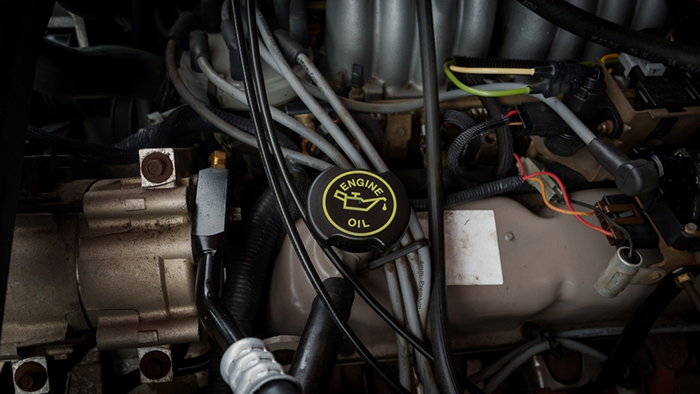
- Look for a sticker under the hood or on the oil cap.
- Use trusted online databases, like Ford’s Official Site.
Never rely on just memory or “what the guy at the shop said. ” Ford sometimes updates capacities even within a model year.

Credit: www.amsoil.com
Frequently Asked Questions
How Many Quarts Of Oil Does A 2022 Ford F-150 3.5l Ecoboost Take?
The 2022 F-150 with the 3.5L EcoBoost engine uses 6.0 quarts of oil, including the filter. Always check your manual before changing oil.
Can I Use Synthetic Oil In My Older F-150?
Yes, you can use synthetic oil in older F-150s. Just make sure the viscosity matches your engine’s requirements. Synthetic oil can help older engines by reducing wear.
What If I Put Too Much Oil In My F-150?
Too much oil can cause engine damage or leaks. If you overfill, drain the excess oil as soon as possible. Running with high oil can lead to foaming and poor lubrication.
How Often Should I Change The Oil In My F-150?
Most newer F-150s recommend an oil change every 7,500 to 10,000 miles with synthetic oil. Older models or trucks under heavy use may need changes every 5,000 miles.
Does Towing Affect My F-150’s Oil Needs?
Towing can make your engine work harder and use oil faster. Always check oil levels before and after towing, and consider more frequent oil changes if you tow often.
Choosing the correct quarts of oil for your Ford F-150 is essential for a long-lasting, powerful engine. By knowing your truck’s specific needs, following best practices, and avoiding common mistakes, you keep your F-150 ready for any road ahead.
As an Amazon Associate, I earn from qualifying purchases.