How Many Mpg Does A Ford F150 Get
People buy the Ford F150 for many reasons. Some choose it for its power, others for comfort, and many for its reputation as America’s best-selling truck. But one question always comes up: How many mpg does a Ford F150 get? Fuel economy matters whether you use your truck for work or family trips. It affects your costs and your experience on the road. This article explains what you can really expect from the F150, how different engines and years perform, and what factors change the numbers you see.
Ford F150: Mpg By Engine And Year
The F150 comes with many engines, from small V6s to big V8s and even a hybrid. Each has its own fuel economy. Let’s look at the official EPA ratings and what drivers experience.
1. 2.7l Ecoboost V6
This engine is popular because it offers good power and decent mpg. Most recent models get 20-22 mpg city and 26-27 mpg highway. Real-world drivers often see numbers close to these, especially on flat roads.
2. 3.3l Ti-vct V6
The 3.3L is the base engine. It usually delivers 19 mpg city and 24 mpg highway. It is not the strongest, but it is reliable and often the most affordable option.
3. 3.5l Ecoboost V6
With more power, the 3.5L EcoBoost is great for towing. Its mpg drops a bit: 18-19 city and 23-24 highway. Hauling heavy loads can lower these numbers even more.
4. 5.0l Ti-vct V8
Many drivers love the classic V8 sound. The 5.0L V8 gets 17-17.5 mpg city and 23-24 mpg highway in recent models. In older F150s, the number can be lower.
5. 3.0l Power Stroke Diesel
The diesel option is made for high-mile drivers. It offers 20-22 mpg city and 28-30 mpg highway. Diesel fuel costs more, but the higher mpg can make up for it.
6. 3.5l Powerboost Hybrid
The hybrid model is new and stands out with 24-25 mpg city and 24-26 mpg highway. It’s the most efficient F150 you can buy.
7. 5.2l Supercharged V8 (raptor R)
This is a high-performance engine for the Raptor R. It gets about 10-15 mpg city and 15-18 mpg highway. Speed and power come first, not fuel economy.
Why Mpg Changes: Factors To Know
Many things can change your F150’s mpg. Here are the most important:
- Drive style: Fast acceleration and heavy braking lower mpg.
- Payload and towing: Carrying or pulling weight uses more fuel.
- Tire size and type: Larger, off-road tires reduce mpg.
- 4WD vs. 2WD: Four-wheel drive trucks use more fuel.
- Weather: Cold or windy weather can lower mpg by 10% or more.
- Maintenance: Clean filters, fresh oil, and good spark plugs help mpg.
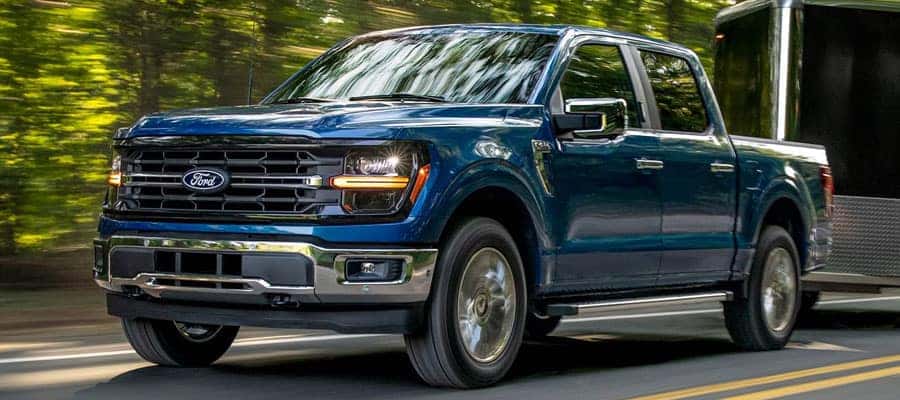
Credit: www.hudsonford.com
Comparing F150 To Other Trucks
How does the F150 stack up against rivals? Here’s a quick look at popular competitors.
| Truck | City MPG | Highway MPG |
|---|---|---|
| Ford F150 3.5L Hybrid | 25 | 26 |
| Chevy Silverado 2.7L Turbo | 20 | 23 |
| Ram 1500 3.6L eTorque | 20 | 25 |
The F150 hybrid leads, but all trucks get similar numbers with their smaller engines.
Real-world Mpg: What Drivers Report
EPA numbers are useful, but real drivers often see different results. On forums and owner groups, F150 drivers share their experiences.
- City driving can be 10-20% lower than EPA ratings, especially in traffic.
- Highway mpg is usually close to official numbers unless you drive above 70 mph.
- Towing can cut mpg in half. For example, a 3.5L EcoBoost pulling a trailer may get 9-12 mpg.
F150 Mpg By Model Year
The F150 has changed a lot over the years. Here’s how average mpg improved:
| Year | Base Engine | City MPG | Highway MPG |
|---|---|---|---|
| 2015 | 3.5L V6 | 18 | 25 |
| 2018 | 2.7L EcoBoost | 20 | 26 |
| 2021 | 3.5L Hybrid | 25 | 26 |
Aluminum body and newer engines helped boost mpg after 2015.
Maximizing Your F150’s Mpg
If you want the best fuel economy, try these simple tips:
- Drive smoothly. Avoid quick starts and stops.
- Keep tires inflated. Low tires use more fuel.
- Remove heavy gear. Less weight means better mpg.
- Use cruise control. It keeps speed steady on the highway.
- Stay on top of maintenance. Fix problems early for best results.
Many drivers forget that short trips are hardest on mpg. Warming up the truck takes fuel, and short drives mean more cold starts.
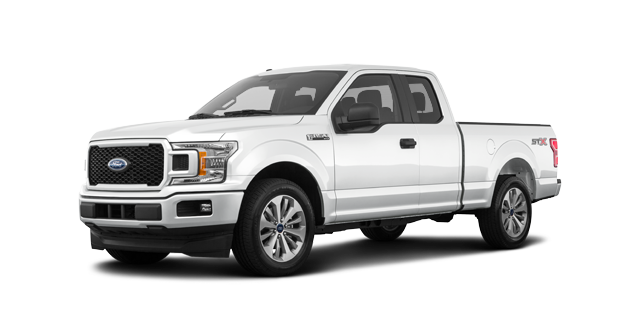
Credit: www.northcentralford.com
The Hybrid F150: Is It Worth It?
The F150 hybrid is the most efficient. But is it right for you? It costs more up front, but can save money if you drive a lot, especially in the city. For mostly highway use, the standard V6s and diesels are close in mpg.
Common Mpg Myths
Some believe that premium fuel or fuel additives will boost mpg. For most F150s, this is not true. Use the recommended fuel in your manual. Upgrading to a bigger air filter or changing exhaust might not give better mpg, either.
Another myth is that bigger wheels always mean better mpg. In fact, larger, heavier wheels can lower your mpg, especially in city driving.
F150 Mpg: Should You Care?
If you drive long distances or use your truck for work, mpg matters. Over 20,000 miles, a 2 mpg difference can mean hundreds of extra dollars spent or saved. Think about your daily routine, not just the EPA sticker.
Frequently Asked Questions
What Is The Highest Mpg For A Ford F150?
The F150 hybrid gets the highest mpg: up to 25 mpg city and 26 mpg highway in recent model years.
Does Towing Affect Ford F150 Mpg?
Yes, towing a trailer can lower mpg by 30-50%. A 3.5L EcoBoost might get 9-12 mpg when pulling a heavy load.
Which F150 Engine Is Best For Fuel Economy?
For most drivers, the 2.7L EcoBoost and 3.5L Hybrid are the best mix of power and mpg. The diesel is best for frequent highway use.
How Can I Improve My F150’s Mpg?
Drive gently, keep up with maintenance, and avoid carrying extra weight. Use cruise control on highways for steady speeds.
Where Can I Find Official F150 Mpg Ratings?
You can check the latest numbers on the U.S. EPA’s fuel economy site for every F150 model.
The Ford F150 offers a wide range of mpg options, depending on your engine, year, and how you drive. If you choose carefully and drive smart, you can get good fuel economy from America’s favorite truck.
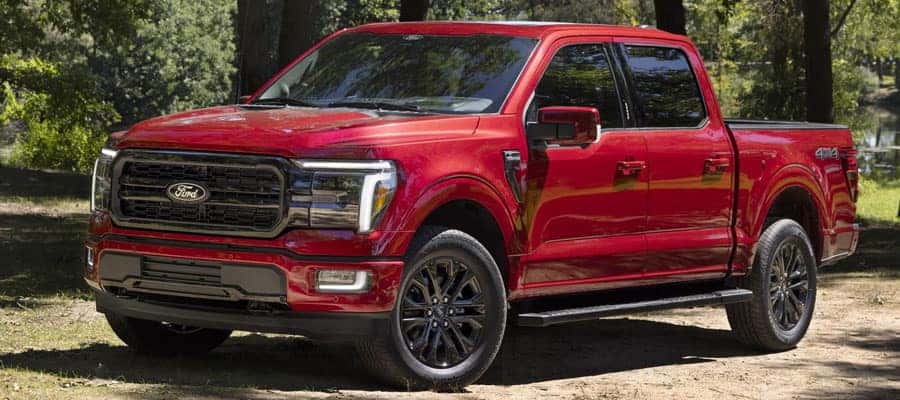
Credit: www.hudsonford.com
As an Amazon Associate, I earn from qualifying purchases.