Buying a used truck like the 2013 Ford F-150 can be a smart move, but it’s important to know about any recalls or safety issues before making a decision. Recalls are not just paperwork—they can affect your safety on the road and the overall value of your vehicle. If you own a 2013 F-150 or are thinking of getting one, understanding past recalls will help you make safer choices and avoid expensive surprises.
Understanding Vehicle Recalls
Recalls happen when a manufacturer or the government finds a problem that might affect the safety or operation of a car. These problems can range from minor electrical glitches to serious issues like brake failures or airbag defects. In the United States, the National Highway Traffic Safety Administration (NHTSA) oversees these recalls. If your vehicle is affected, the manufacturer usually fixes the issue for free.
One fact many people miss is that recall repairs are free for life, not just while your truck is under warranty. Also, not all recalls are urgent, but it’s wise to fix them as soon as possible.
Major Recalls For The 2013 Ford F-150
The 2013 Ford F-150 has had a few notable recalls over the years. Let’s break down the most important ones.
1. Transmission Downshift To First Gear
In 2019, Ford recalled certain 2011-2013 F-150 trucks for a serious issue: the transmission could unexpectedly downshift to first gear while driving. This could cause the truck to lose control and increase the risk of a crash.
- Affected units: Over 1.5 million F-150 trucks
- Symptoms: Sudden reduction in speed, jerking motion, possible wheel lockup
- Solution: Dealers updated the powertrain control module software
2. Brake Master Cylinder Leaks
Another major recall involved the brake master cylinder. Some trucks built between August 2010 and August 2013 had a risk of brake fluid leaking into the brake booster, which could cause the front brakes to fail.
- Affected units: About 292,000 vehicles
- Symptoms: Low brake pedal, longer stopping distances, warning lights
- Solution: Inspect and replace the master cylinder and brake booster as needed
3. Airbag Inflator Recall (takata)
The Takata airbag recall affected millions of vehicles, including some 2013 F-150s. The front passenger airbag inflator could explode in a crash, spraying metal fragments and causing serious injuries.
- Affected units: Varies by production date and region
- Symptoms: None before deployment, but dangerous during an accident
- Solution: Replace the airbag inflator
4. Steering Gear Motor
Some 2013 F-150s with electric power steering had a recall for the steering gear motor. Water could enter the motor, causing it to fail and making steering very difficult.
- Symptoms: Loss of power steering assist, increased steering effort
- Solution: Replace the steering gear motor
5. Seatbelt Pretensioners
In rare cases, the seatbelt pretensioners (which tighten seatbelts in a crash) could cause a fire in the B-pillar after a collision.
- Symptoms: Smoke or fire after a crash
- Solution: Ford dealers added insulation to prevent fires
6. Fuel Tank Strap Corrosion
Some trucks, especially in states with harsh winters, faced corrosion of fuel tank straps. This could cause the fuel tank to loosen or even fall, leading to leaks or fire.
- Symptoms: Smell of fuel, visible rust under truck
- Solution: Replace fuel tank straps with improved parts
How To Check If Your 2013 F-150 Has Been Recalled
It’s not enough to know about these recalls—you need to check if your specific truck is affected. Ford’s recall coverage depends on your vehicle identification number (VIN). You can find your VIN on the dashboard, driver’s door, or vehicle documents.
Here’s a quick way to check:
- Visit the official NHTSA recall page or the Ford recall site
- Enter your VIN
- Review any open recalls and contact your dealer for free repairs
Comparing 2013 F-150 Recalls With Other Trucks
To see how the 2013 Ford F-150 compares, here’s a look at recall numbers for similar trucks:
| Model Year | Ford F-150 | Chevrolet Silverado 1500 | Ram 1500 |
|---|---|---|---|
| 2013 | 6 major recalls | 3 major recalls | 4 major recalls |
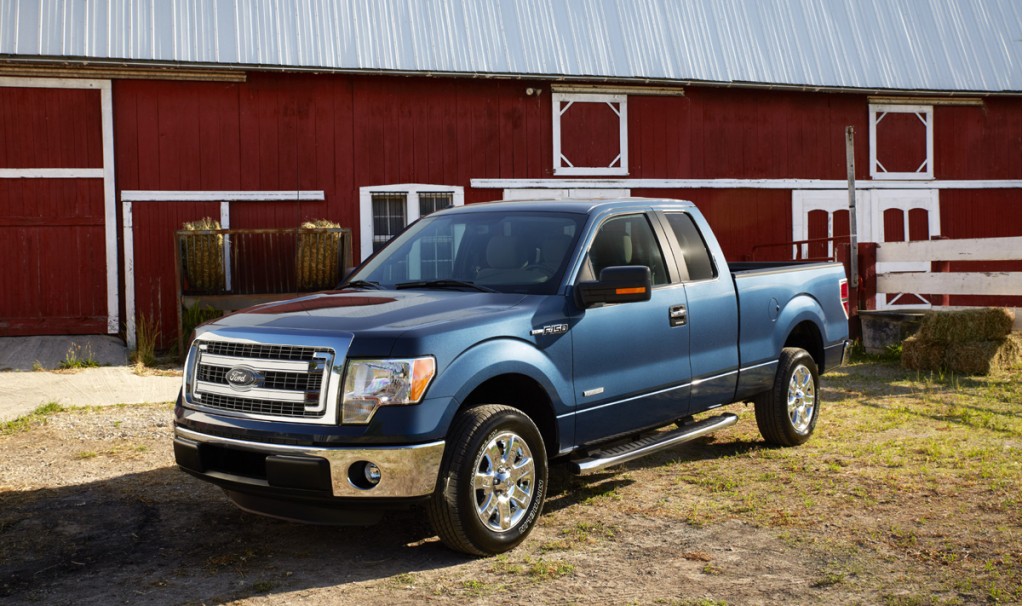
As you can see, the 2013 F-150 had more major recalls than some competitors, especially for transmission and brake issues.
Credit: www.thecarconnection.com
What To Do If Your Truck Has A Recall
If your 2013 F-150 has an open recall, don’t panic. Here’s what to do:
- Contact your local Ford dealer as soon as possible.
- Schedule a free repair appointment. Recall repairs are always free.
- Get documentation after the repair for your records.
- Check for updates regularly, especially if you buy a used truck.
Some dealers may offer a loaner vehicle if repairs take more than a day.
Non-obvious Things Owners Miss About Recalls
Many owners think a recall means their truck is unsafe, but it’s not always true. Some recalls are preventive and may never cause a problem if fixed early. Another fact: if you miss a recall, your truck’s resale value can drop, even if it runs fine.
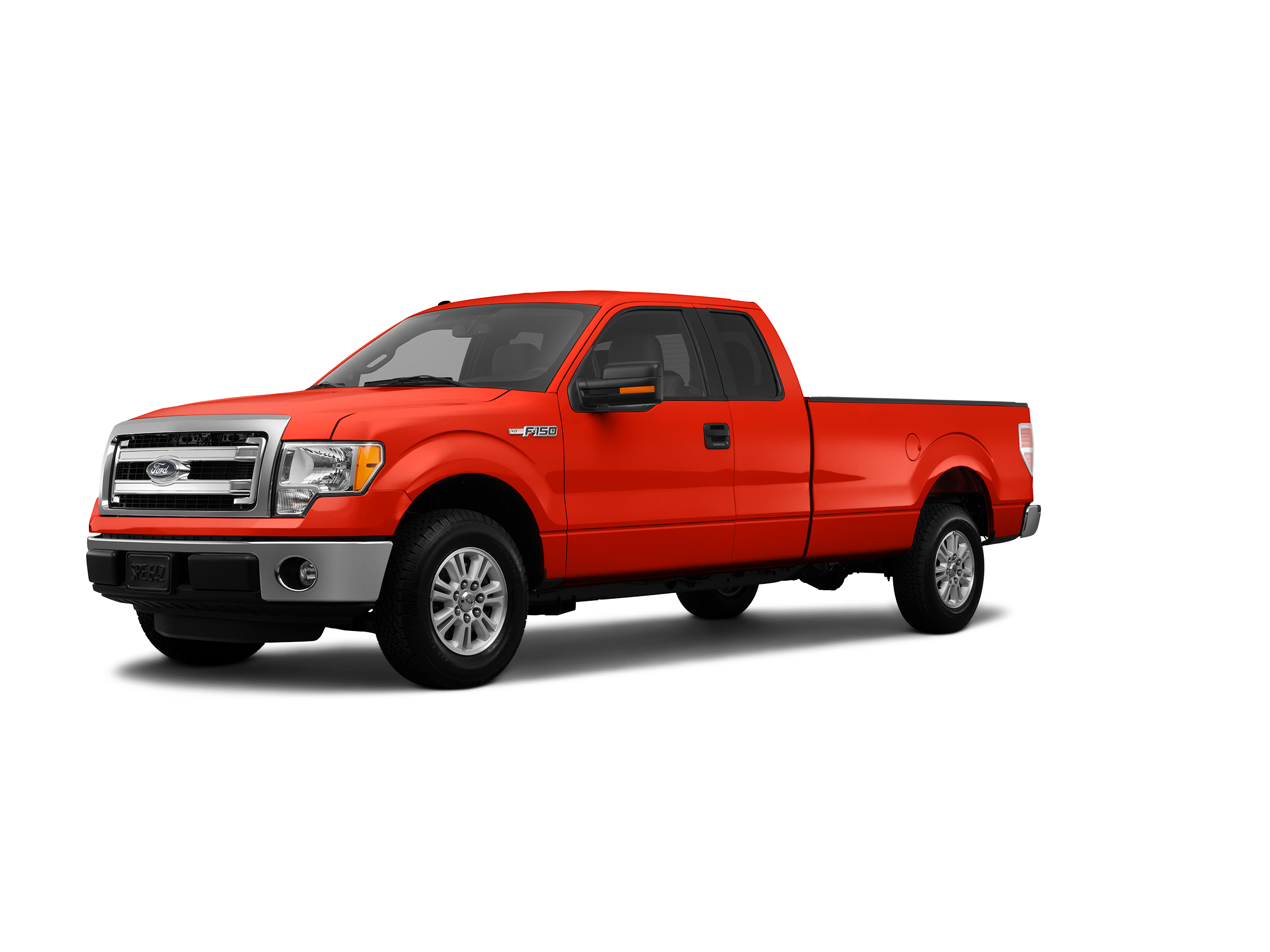
Also, if you buy a used 2013 F-150, recall repairs may not have been done, especially if the truck changed owners. Always check the recall status before you buy, even if the seller says everything is fine.
Credit: www.kbb.com
Real-world Example: How Recalls Affect Daily Driving
Imagine you’re driving on the highway, and your F-150 suddenly shifts to first gear. That’s not just a mechanical issue—it’s a safety risk for you and everyone on the road. Or, if your brakes fail because of a leaking master cylinder, stopping quickly could be impossible.
These are not just technical problems; they can have real-life consequences.
Maintenance Tips For 2013 F-150 Owners
- Check for recalls at least once a year
- Keep receipts for all repairs, including recall work
- Follow up on any strange symptoms, even if you don’t see a recall yet
- Ask the dealer to check for “silent” recalls—sometimes they fix issues without mailing notices
Credit: www.motorsafety.org
Common Mistakes When Handling Recalls
- Ignoring letters or emails from Ford
- Assuming used vehicles are up to date on repairs
- Delaying recall repairs until the next service visit
- Not checking recall status after buying used
These mistakes can cost you more in the long run, or put you and your passengers at risk.
Comparison: Recall Fix Completion Rates
Completion rates for recall repairs can vary. Here’s an example with the 2013 F-150 and others:
| Model | Recall Completion Rate |
|---|---|
| 2013 Ford F-150 | 87% |
| 2013 Chevrolet Silverado 1500 | 90% |
| 2013 Ram 1500 | 85% |
Not all owners act quickly, so be one of the smart ones who checks and fixes recalls early.
Where To Get More Information
For official recall details, you can visit the NHTSA official recall page. This resource lists all recalls, investigations, and complaints for the 2013 Ford F-150.
Frequently Asked Questions
How Do I Find Out If My 2013 F-150 Is Part Of A Recall?
Visit the NHTSA website or Ford’s official recall page and enter your VIN. This will show any open recalls for your truck.
Are Recall Repairs On My 2013 F-150 Free?
Yes, recall repairs are always free at Ford dealerships, no matter how old your truck is.
What Should I Do If I Never Received A Recall Notice?
Contact your local Ford dealer or check online with your VIN. Sometimes notices are missed if the vehicle changed owners.
Can I Sell My 2013 F-150 If It Has An Open Recall?
Yes, but it’s better to fix recalls first. Trucks with open recalls may sell for less or be harder to insure.
Is It Safe To Drive My F-150 If It Has A Recall?
It depends on chats recall. Some are urgent, like brakes or airbags. Others may be less critical, but it’s best to repair them as soon as possible.
Owning a 2013 Ford F-150 can be rewarding, but staying informed about recalls keeps you safer on the road. Take a few minutes to check your truck’s status, and handle any recall repairs quickly—you’ll drive with more confidence and peace of mind.
As an Amazon Associate, I earn from qualifying purchases.