If you drive a Ford F150 and you’re dealing with engine issues or diagnostic codes, you might hear the term “Bank 2. ” Many Ford owners feel confused about what side of the engine Bank 2 is on. Understanding this is crucial, especially if you want to fix problems yourself or communicate better with your mechanic.
Let’s break down what Bank 2 means, where to find it on your F150, and why it matters for maintenance and troubleshooting.
What Does “bank 2” Mean On A Ford F150?
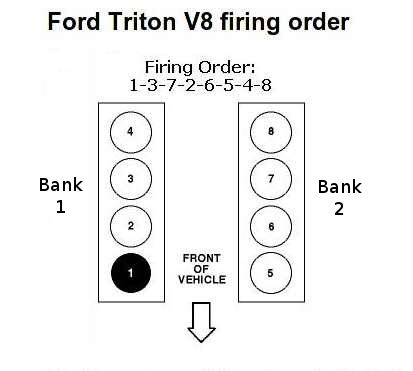
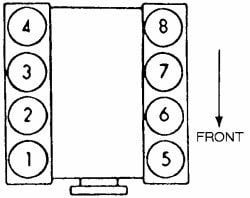
Modern engines are complex, and the term Bank 2 refers to one side of a V-shaped engine. In engines with two cylinder heads—like V6 and V8 engines—each side is called a “bank.” Bank 1 always contains cylinder number 1. Bank 2 is the opposite side.
For the Ford F150, which often comes with a V6 or V8 engine, knowing which side is Bank 2 will help you:
- Read engine codes accurately
- Replace the correct oxygen sensors
- Diagnose misfires or performance issues
If you get a trouble code like P0151 or P0430, you’ll need to know if it refers to Bank 1 or Bank 2 to fix the right part.
Which Side Is Bank 2 On A Ford F150?
On most Ford F150s (especially models from the last 20 years), Bank 2 is on the passenger side of the engine compartment. This is true for both V6 and V8 engines.
Visual Reference
If you stand in front of your F150 and look at the engine:
- Driver’s side: Bank 1
- Passenger’s side: Bank 2
This layout is consistent across most F150 engines, but it’s always smart to check your owner’s manual or a repair guide for your specific model year.
Model Year Differences
While most F150s follow the same rule, there may be rare exceptions. The engine’s orientation, design changes, or even certain specialty engines could reverse this. However, for 2011–2024 F150s, Bank 2 is almost always on the passenger side.
Credit: www.f150forum.com
Why Does Bank 2 Matter?
You might wonder: why does it matter which side is Bank 2? The answer is simple—diagnostics and repairs. Many engine problems get reported by bank and sensor position. For example:
- Oxygen sensors are labeled by bank and sensor number (e.g., Bank 2 Sensor 1)
- Misfire codes like P0302 (cylinder 2 misfire) are easier to locate if you know which side Bank 2 is
- Catalytic converter codes often specify a bank
If you replace the wrong part, your repair won’t solve the problem. This can waste time and money.
Common Parts And Codes Related To Bank 2
Many F150 owners run into codes or repairs that mention Bank 2. Here are the most common:
| Part | Bank 2 Location | Common Codes |
|---|---|---|
| Oxygen Sensor (Upstream) | Passenger side, before catalytic converter | P0151, P0155 |
| Oxygen Sensor (Downstream) | Passenger side, after catalytic converter | P0161 |
| Catalytic Converter | Passenger side exhaust | P0430 |
| Fuel Injector | All injectors on Bank 2 | P0202, P0204 |

Credit: www.youtube.com
How To Identify Bank 2 On Your F150
If you want to check for yourself, follow these simple steps:
- Locate the engine block. Stand in front of your truck with the hood open.
- Find cylinder 1. On Ford engines, this is usually on the front driver’s side.
- Look at the opposite side. The row of cylinders on the passenger side is Bank 2.
Here’s a quick comparison for popular F150 engines:
| Engine Type | Cylinder 1 Location | Bank 2 Side |
|---|---|---|
| V6 (3.5L/3.7L) | Driver side, front | Passenger side |
| V8 (5.0L) | Driver side, front | Passenger side |
| EcoBoost V6 | Driver side, front | Passenger side |
Non-obvious Tips For Diy Repairs
- Sensor Numbers Matter: Codes like “Bank 2 Sensor 1” and “Bank 2 Sensor 2” are different. Sensor 1 is before the catalytic converter (upstream), while Sensor 2 is after (downstream). Replacing the wrong sensor is a common mistake.
- Check Engine Layout: Some engines may look different due to covers or turbo setups. Always double-check with your VIN or a service manual for exact diagrams.
Many beginners forget to disconnect the battery when working with sensors. This can cause new codes or sensor errors. Always disconnect the negative terminal before starting engine work.
Why Ford Uses Banks
Ford—and most car makers—use banks to help identify where a problem is. Instead of guessing, you can pinpoint the issue faster. For example, a P0430 code tells you the catalytic converter on Bank 2 is underperforming. You don’t have to check both sides.
Bank 2 Vs. Bank 1: Quick Differences
Here’s a side-by-side comparison to help you remember:
| Feature | Bank 1 | Bank 2 |
|---|---|---|
| Side of Engine | Driver | Passenger |
| Cylinder 1 Location | Yes | No |
| Common Sensor Codes | P0131, P0135 | P0151, P0155 |
Real-world Example
Imagine your F150 throws a P0151 code. This points to “O2 Sensor Circuit Low Voltage Bank 2 Sensor 1.” Knowing Bank 2 is on the passenger side, you can go straight to the upstream oxygen sensor on that side. No guesswork, no wasted effort.
When To Get Professional Help
If you’re unsure about which bank is which, or if your engine looks different from what’s described here, don’t hesitate to ask a trusted mechanic. Some newer or special edition F150s may have unique layouts. Also, if a repair requires special tools or skills (like replacing a catalytic converter), professional help is safer and could save money in the long run.
For more details on cylinder numbering and bank locations, the Wikipedia page on V engines provides in-depth diagrams and explanations.
Credit: www.ford-trucks.com
Frequently Asked Questions
What Is Bank 2 Sensor 1 On A Ford F150?
Bank 2 Sensor 1 is the first oxygen sensor on the passenger side, located before the catalytic converter. It measures the air-fuel mixture for that side of the engine.
How Can I Tell Which Side Is Bank 2 Without A Manual?
Stand in front of your truck. On most F150s, Bank 2 is the row of cylinders on the passenger side (right side from your perspective).
Do All Ford F150s Have Bank 2 On The Passenger Side?
Most do, especially models from 2011 onward. If you have a rare engine, check your service manual to confirm.
What Happens If I Replace The Wrong Sensor?
Replacing the wrong sensor won’t fix your issue. You may continue to get error codes, and your engine may run poorly.
Is Bank 2 Always The Same On Other Ford Vehicles?
Not always. While F150s are consistent, some other Ford models may have different layouts depending on engine type and orientation.
Understanding where Bank 2 is on your Ford F150 can save you time and frustration. With this knowledge, you can handle engine codes, replace parts confidently, and keep your truck running smoothly. Always double-check your specific model’s layout, and when in doubt, seek professional advice.
Your F150 will thank you for it.
As an Amazon Associate, I earn from qualifying purchases.