When you see a warning about engine coolant over temperature on your car’s dashboard, it often creates instant worry. This alert signals that your engine’s temperature has gone higher than it should. Ignoring this warning can lead to serious, expensive damage. While many drivers know that overheating is bad, few understand what causes it, what to do next, and how to avoid it in the future.
Let’s break down what engine coolant over temperature means, why it happens, how it affects your vehicle, and what you should do if it appears. This guide will use practical examples, clear explanations, and real-world tips so you’ll know exactly what to do if you ever face this warning.
What Does Engine Coolant Over Temperature Mean?
When your dashboard shows engine coolant over temperature, it means your engine is running hotter than the safe limit set by the manufacturer. The coolant, a special fluid, is designed to keep your engine at the right temperature. If it cannot do its job, the engine gets too hot, which can cause parts to warp, crack, or even fail completely.
Modern cars use sensors to track the coolant’s temperature. When the sensor detects a temperature above the safe level (usually around 220–240°F or 104–116°C), the warning light or message appears. Some vehicles may also force the engine to reduce power or shut down to prevent damage.
Why Is Engine Temperature So Important?
Engines are made to work best within a certain temperature range. If the engine gets too hot:
- Oil breaks down faster, losing its ability to protect metal parts.
- Metal expands more than planned, which can cause cracks or leaks.
- Plastic and rubber parts (like hoses and gaskets) can melt or weaken.
- Severe overheating can cause the head gasket to fail, which is a costly repair.
Even one short drive while overheating can lead to permanent engine damage.
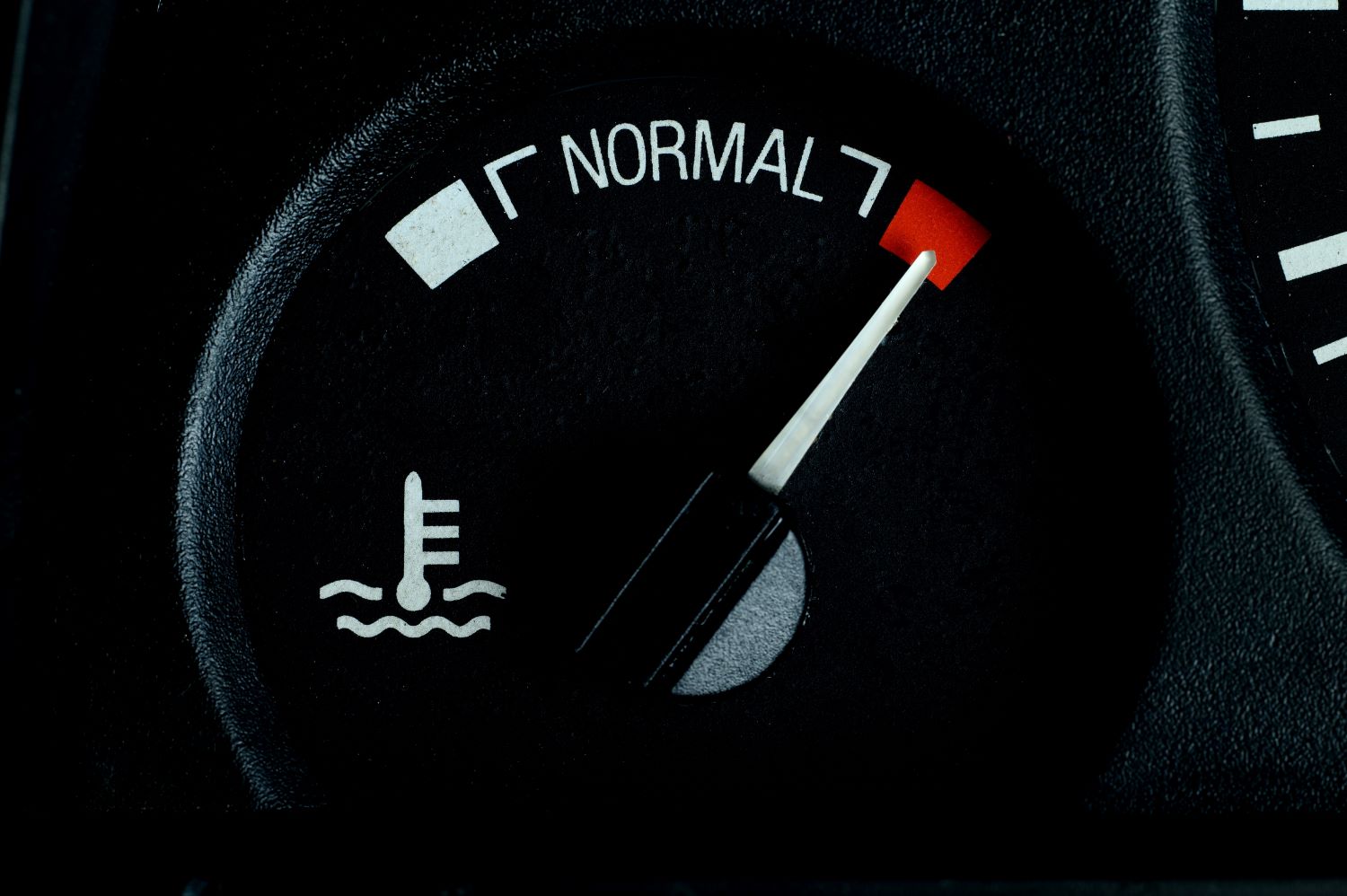
Credit: www.carparts.com
Main Causes Of Engine Coolant Over Temperature
Several common problems can trigger this warning. Here are the main reasons:
1. Low Coolant Level
If there’s not enough coolant in the system, heat cannot be carried away from the engine efficiently.
2. Coolant Leak
Hoses, the radiator, or the water pump can develop leaks, slowly lowering coolant levels.
3. Failed Thermostat
The thermostat controls coolant flow. If it sticks closed, coolant can’t circulate, and the engine overheats.
4. Broken Water Pump
The water pump moves coolant through the system. If it fails, coolant stops moving and heat builds up.
5. Radiator Problems
A clogged or damaged radiator can’t remove heat from the coolant, causing temperatures to rise.
6. Cooling Fan Issues
Electric or belt-driven fans pull air through the radiator. If the fan doesn’t turn on, the system can’t cool properly, especially at low speeds or when stopped.
7. Blocked Coolant Passages
Rust, dirt, or old coolant can clog the small channels inside the engine, reducing cooling.
8. Blown Head Gasket
This serious failure lets coolant and engine oil mix, causing overheating and white smoke from the exhaust.
9. Driving Conditions
Towing heavy loads, climbing steep hills, or driving in hot weather can push the system beyond its limits.
What Happens When Your Car Overheats?
If you keep driving with engine coolant over temperature, here’s what can happen:
- Loss of Power: The engine may lose power or run poorly.
- Steam from Hood: You might see steam escaping from under the hood.
- Warning Lights: Additional warning lights may appear.
- Knocking Sounds: You may hear unusual engine noises.
- Complete Engine Failure: In the worst case, the engine could seize up and stop working.
It’s important to stop as soon as it’s safe if you see this warning.
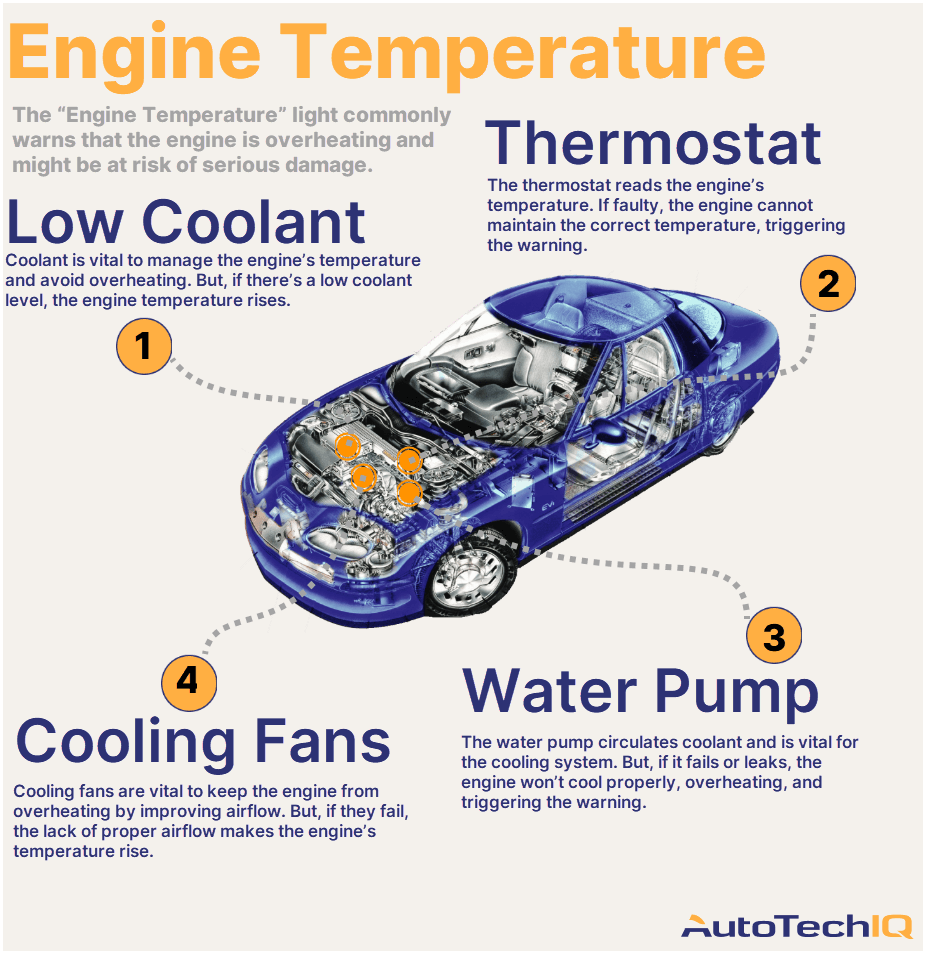
Credit: www.autotechiq.com
What Should You Do If You See Engine Coolant Over Temperature?
Here’s how to respond safely and avoid major damage:
1. Pull Over Safely
As soon as you notice the warning, pull over and turn off the engine. Do not try to reach your destination or a mechanic.
2. Wait For The Engine To Cool
Never open the hood immediately. Wait at least 15–30 minutes for the engine to cool down.
3. Check Coolant Level
After the making sure the engine is cool, open the hood and check the coolant reservoir. If it’s low and you have coolant, add the correct type. Never add coolant to a hot engine.
4. Look For Leaks
Inspect under the car for puddles or drips. Coolant is usually green, yellow, pink, or orange.
5. Call For Help
If you can’t find the problem, or if the coolant keeps dropping, call roadside assistance or a mechanic.
How Does The Cooling System Work?
Understanding the basics helps you spot problems early.
| Cooling System Part | Main Function |
|---|---|
| Radiator | Dissipates heat from coolant to the air |
| Water Pump | Circulates coolant through engine and radiator |
| Thermostat | Controls when coolant flows based on temperature |
| Cooling Fan | Pulls air through radiator at low speeds |
| Coolant | Absorbs heat and protects against freezing |
Most cooling systems are closed loops, so any drop in coolant usually points to a leak.
Comparing Normal And Overheated Engine Signs
Spotting the difference between normal and dangerous temperatures is key.
| Normal Engine | Overheating Engine |
|---|---|
| Gauge in middle zone | Gauge in red or high zone |
| Stable temperature | Temperature rising gleefully |
| No warning lights | Coolant temp warning or check engine light |
| No steam | Steam or odd smells |
Some drivers miss early signs, thinking it’s just a hot day. But the warning systems only activate when the risk is real.
Preventing Engine Coolant Over Temperature
It’s much easier to avoid overheating than to fix the damage it causes. Here’s how:
- Check Coolant Regularly: At least once a month, make sure the coolant is at the right level.
- Flush the System: Replace coolant every 2–5 years, depending on your car’s manual.
- Inspect Hoses and Belts: Look for cracks, leaks, or loose connections.
- Watch for Warning Signs: Fix small issues early, like slow leaks or minor overheating.
- Replace Thermostat and Water Pump: These parts wear out; replace them as suggested by your manufacturer.
- Clean Radiator Fins: Dirt or bugs can block airflow, especially in summer.
- Use the Right Coolant: Mixing types can reduce performance or cause clogs.
A surprising fact: Many overheating problems start with old or mixed coolants that lose their protective chemicals.
The Cost Of Ignoring Engine Coolant Over Temperature
Repairs from overheating are often much more expensive than regular maintenance.
| Repair Type | Estimated Cost (USD) |
|---|---|
| Coolant Flush | $90 – $150 |
| Radiator Replacement | $300 – $900 |
| Water Pump Replacement | $400 – $800 |
| Head Gasket Repair | $1,500 – $2,500 |
| Engine Replacement | $4,000 – $8,000+ |
One overlooked detail: Even a small coolant leak can lead to a major engine failure if not fixed early.
Frequently Asked Questions
What Is The Safe Temperature Range For Most Engines?
Most engines operate best between 195°F and 220°F (90°C to 104°C). Anything above this range can cause damage, especially if it stays high for long.
Can I Drive With An Engine Coolant Over Temperature Warning?
No, it’s risky. Driving with this warning can lead to severe engine damage, including a blown head gasket or total engine failure.
How Often Should I Check Or Replace My Coolant?
Check the coolant level monthly. Replace it every 2–5 years, or as your vehicle’s manual recommends. Old coolant loses its protective qualities.
Is It Normal For The Engine Temperature To Rise In Summer?
It’s normal for the temperature to go up a little in hot weather or traffic, but it should never enter the red zone. If it does, something needs attention.
Where Can I Learn More About Engine Cooling Systems?
You can read more about car cooling systems on the Wikipedia Cooling System page for more details.
Caring for your car’s cooling system is one of the best ways to avoid expensive breakdowns and keep your vehicle running smoothly. Pay attention to warning signs, maintain your system, and react quickly if you ever see engine coolant over temperature. This knowledge can save you money, stress, and keep you safe on the road.

Credit: www.youtube.com
As an Amazon Associate, I earn from qualifying purchases.