How Hot Does A Car Engine Get
Few people think about the true temperature under their car’s hood. But the heat in a running engine is intense, and understanding how hot a car engine gets can help you prevent breakdowns and costly damage. Whether you’re a new driver or just curious, knowing these details can keep you safe and help your car last longer.
What Is The Normal Operating Temperature?
Most modern car engines run at 195°F to 220°F (90°C to 105°C). This range allows the engine to work efficiently and reduces pollution. The temperature is controlled by the cooling system, which uses coolant, fans, and a thermostat to keep things steady.
Older engines often ran cooler, around 180°F (82°C), but modern engines are designed for higher temperatures for better fuel burning. If your car has a temperature gauge, the needle should usually stay in the middle. If it rises into the red, your engine is too hot.
Why Do Engines Get So Hot?
The heat comes from burning fuel. When you press the gas pedal, a mix of air and gasoline explodes in the cylinders. This creates energy to move the car, but also releases a lot of heat—much more than the engine can use.
Some of the heat leaves through the exhaust, but a lot stays in the metal engine parts. Without a cooling system, the metal would quickly get so hot it would melt or crack.
Credit: totallymotor.co.uk
Key Temperatures Inside An Engine
Different engine parts reach different temperatures. Here’s a look at some typical numbers:
| Engine Area | Typical Temperature (°F) | Typical Temperature (°C) |
|---|---|---|
| Cylinder Wall | 300–400 | 150–205 |
| Piston Head | 500–600 | 260–315 |
| Exhaust Valve | 1200–1600 | 650–870 |
| Engine Oil | 180–250 | 82–121 |
| Coolant | 195–220 | 90–105 |
As you can see, some parts like the exhaust valve can get extremely hot—even hotter than the coolant or oil. Yet, the cooling system keeps the overall engine safe.
Factors That Affect Engine Temperature
Many things can change how hot your engine gets:
- Outside temperature: Engines run hotter on very hot days.
- Driving style: Fast driving or towing makes engines work harder and get hotter.
- Coolant level: Low coolant means less heat control.
- Engine size: Bigger engines often make more heat.
- Traffic: Stop-and-go traffic can reduce airflow, raising temperatures.
- Car age: Old engines with dirty or worn parts can overheat more easily.
If you notice your temperature gauge going higher than normal, it’s wise to check these factors.
What Happens If The Engine Gets Too Hot?
If an engine goes above 240°F (115°C), it is overheating. This can cause:
- Coolant boiling and leaks
- Cylinder head warping (expensive repairs)
- Gasket failure (causes oil and coolant to mix)
- Piston damage (serious engine failure)
- Loss of power and possible engine seizure
Overheating even once can shorten engine life. Modern cars often have warning lights or will reduce power to protect the engine if it gets too hot.
How The Cooling System Keeps Things Safe
The cooling system is your engine’s shield against heat. Here’s how it works:
| Part | Role in Cooling |
|---|---|
| Radiator | Transfers heat from coolant to air |
| Coolant | Carries heat away from the engine |
| Thermostat | Controls flow of coolant |
| Water Pump | Moves coolant through API system |
| Cooling Fan | Pulls air through the radiator |
If any of these parts fail, engine temperature can quickly rise. Regular checks and maintenance can prevent problems before they start.
How To Tell If Your Engine Is Too Hot
You don’t need special tools. Look for these signs:
- The temperature gauge is in the red
- Warning light for engine temperature comes on
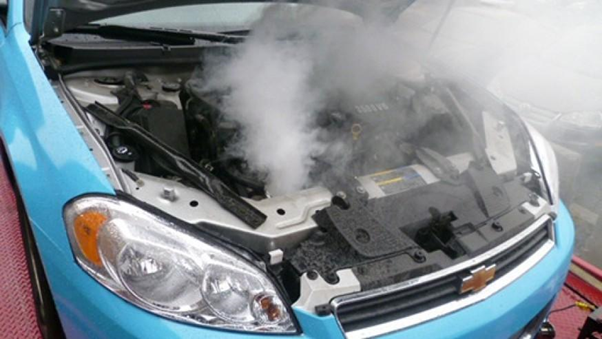
- You see steam from under the hood
- The engine smells hot or sweet (leaking coolant)
- The car loses power or runs roughly
If you notice these, stop safely and turn off the engine. Never open the radiator cap when the engine is hot, as hot coolant can spray out.
Surprising Insights Most Drivers Miss
- Engine oil helps cool the engine. Many people think oil only lubricates, but it also carries away heat from moving parts. Old or low oil can make your engine overheat, even if your coolant is fine.
- Short trips can be hard on engines. Driving for just a few minutes doesn’t give the cooling system time to work properly. Repeated short trips can build up heat and stress parts.
- Turbocharged engines get hotter. If your car has a turbocharger, temperatures inside can be even higher. These engines often use extra cooling parts to handle the extra heat.
Credit: ieabp.com
How Hot Is Too Hot?
A safe upper limit for most cars is around 230°F (110°C). Some performance cars run hotter by design, but it’s always important to know what’s normal for your vehicle. Check your owner’s manual for the specific numbers.
Here is a quick reference for common temperature zones:
| Temperature (°F) | Status |
|---|---|
| 195–220 | Normal |
| 221–230 | Warning Zone |
| 231–240 | Too Hot |
| 240+ | Overheating |
If you see your gauge in the warning zone, try turning off the air conditioning and turning on the heater—this can help remove heat from the engine in an emergency.
Practical Tips For Managing Engine Heat
- Check coolant level regularly, especially before long trips.
- Use the correct engine oil and change it on schedule.
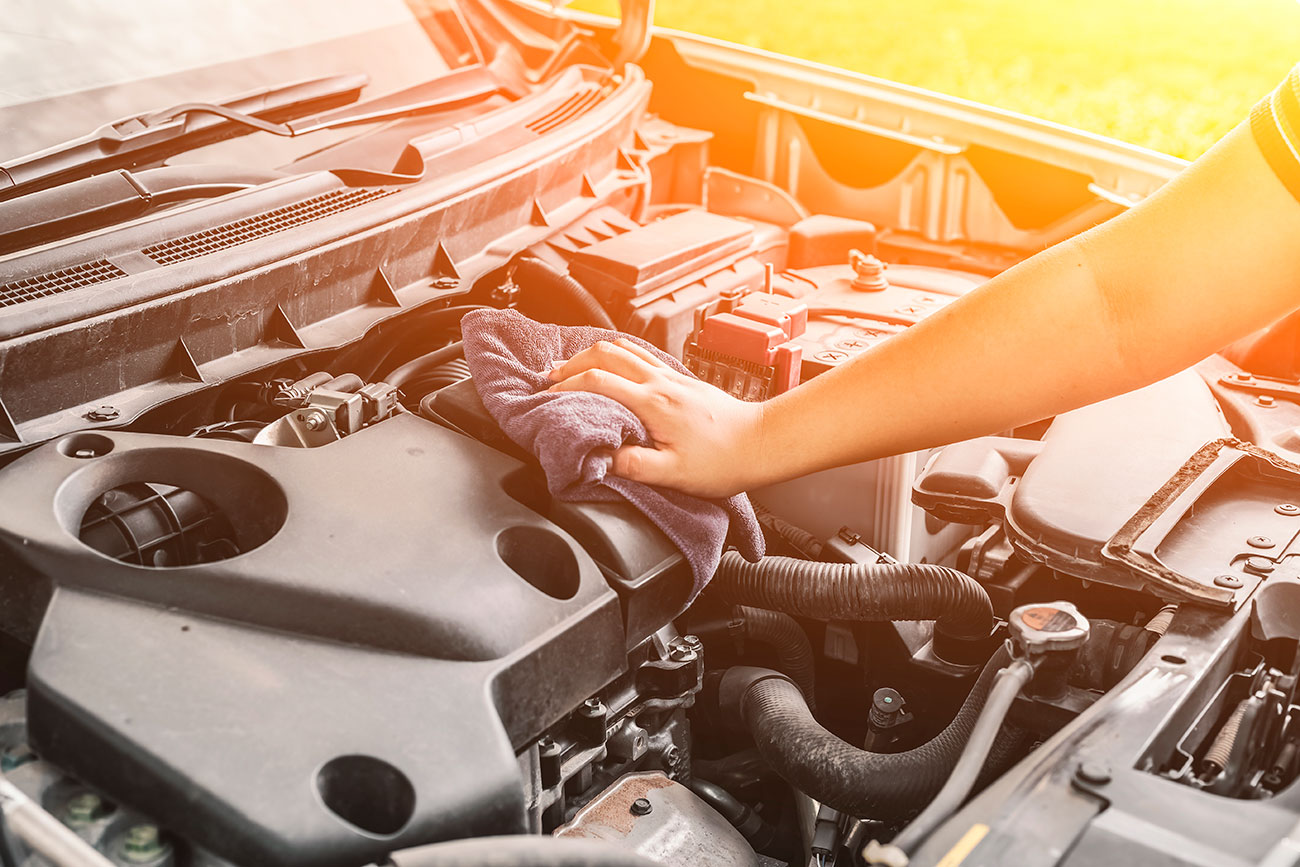
- Keep the radiator and grill clean so air can flow freely.
- Fix leaks quickly—coolant or oil spots under your car are a warning sign.
- Don’t ignore the temperature warning light. It’s better to pull over than risk major engine damage.
For deeper details on engine cooling and temperatures, you can read more at Wikipedia.

Credit: www.reddit.com
Frequently Asked Questions
How Hot Does A Car Engine Get During Normal Driving?
A car engine usually stays between 195°F and 220°F (90°C to 105°C) during normal driving. This range is safe and allows the engine to run efficiently.
Can Engine Temperature Go Higher In Summer?
Yes, hot weather can push engine temperatures higher, especially in traffic or when climbing hills. The cooling system is designed to handle some extra heat, but keep an eye on the gauge in extreme conditions.
What Should I Do If My Engine Overheats?
First, pull over safely and turn off the engine. Wait for it to cool before checking the coolant. Never open the radiator cap while it’s hot. If you can’t find the cause, call for help.
Is It Normal For The Engine To Get Hotter When Towing?
Yes, towing a trailer or carrying heavy loads makes the engine work harder, causing higher temperatures. Make sure your cooling system is in good shape before heavy use.
Why Does The Temperature Go Up When I Stop At A Light?
When the car stops, airflow through the radiator drops. The cooling fan should turn on to help, but if it doesn’t, temperatures can rise. If you see the gauge climb while idling, have the fan checked.
Understanding how hot a car engine gets—and how to manage it—can save you from expensive repairs and keep your car running smoothly for years. Stay alert to the signs, take care of your cooling system, and your engine will reward you with reliable service.
As an Amazon Associate, I earn from qualifying purchases.