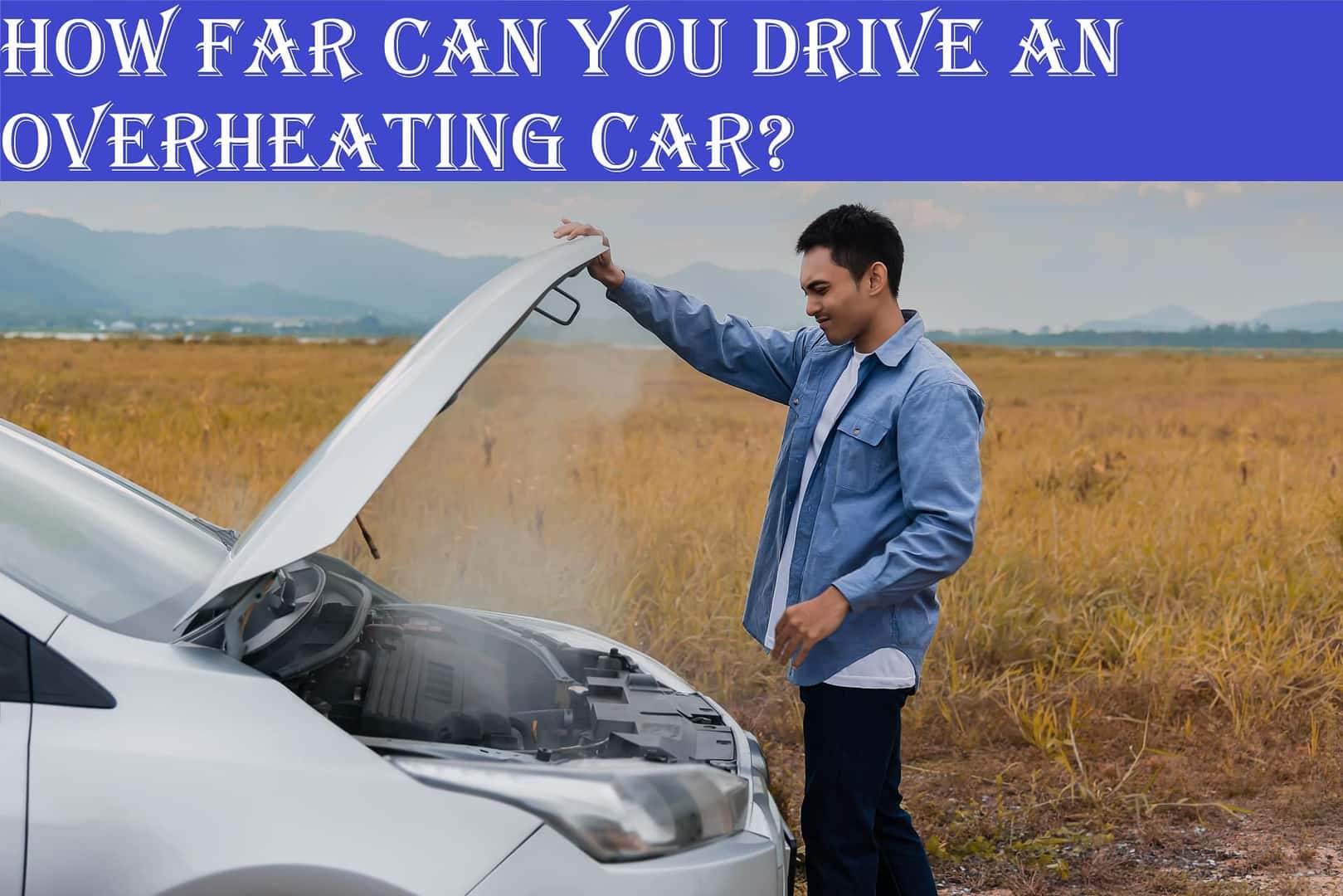
When your car starts to overheat, a wave of worry hits. Maybe you see steam from the hood or the temperature gauge jumps high. Many drivers ask: How far can you drive an overheating car? This is not just a question of distance; it’s about risk, safety, and the real cost to your engine. Let’s dig deep and see what’s possible—and what’s dangerous—when your car begins to overheat.
What Happens When A Car Overheats
When a car’s engine gets too hot, several things can go wrong. The engine coolant may not remove enough heat. Radiator fans might fail, or there could be a leak in the cooling system. Sometimes, a broken thermostat or water pump is the root cause. As the temperature rises, engine parts expand more than they should. This can quickly lead to engine damage.
A typical engine operates between 195°F to 220°F (90°C to 105°C). Beyond this range, risk increases quickly. If the temperature climbs above 240°F (115°C), damage can start within minutes.
How Far Can You Drive An Overheating Car?
There’s no simple answer, because it depends on several factors:
- How hot the engine is
- The cause of the overheating
- The speed you’re driving
- Weather and road conditions
But most experts agree: You should not drive an overheating car for more than a few minutes. In fact, even driving just one mile can sometimes cause serious damage if the engine is very hot.
Here’s a comparison of risk versus distance at different temperature levels:
| Engine Temp (°F) | Safe Driving Distance | Risk Level |
|---|---|---|
| 220-230 | 3-5 miles (max) | Moderate |
| 230-240 | 1-2 miles | High |
| 240+ | <1 mile | Severe |
If the temperature keeps rising, stop as soon as it is safe. The more you drive, the higher the risk of engine failure.
Credit: carfromjapan.com
Signs Your Car Is Overheating
It’s not always obvious when your car is in trouble. Watch for these key signs:
- Temperature gauge moves into the red zone
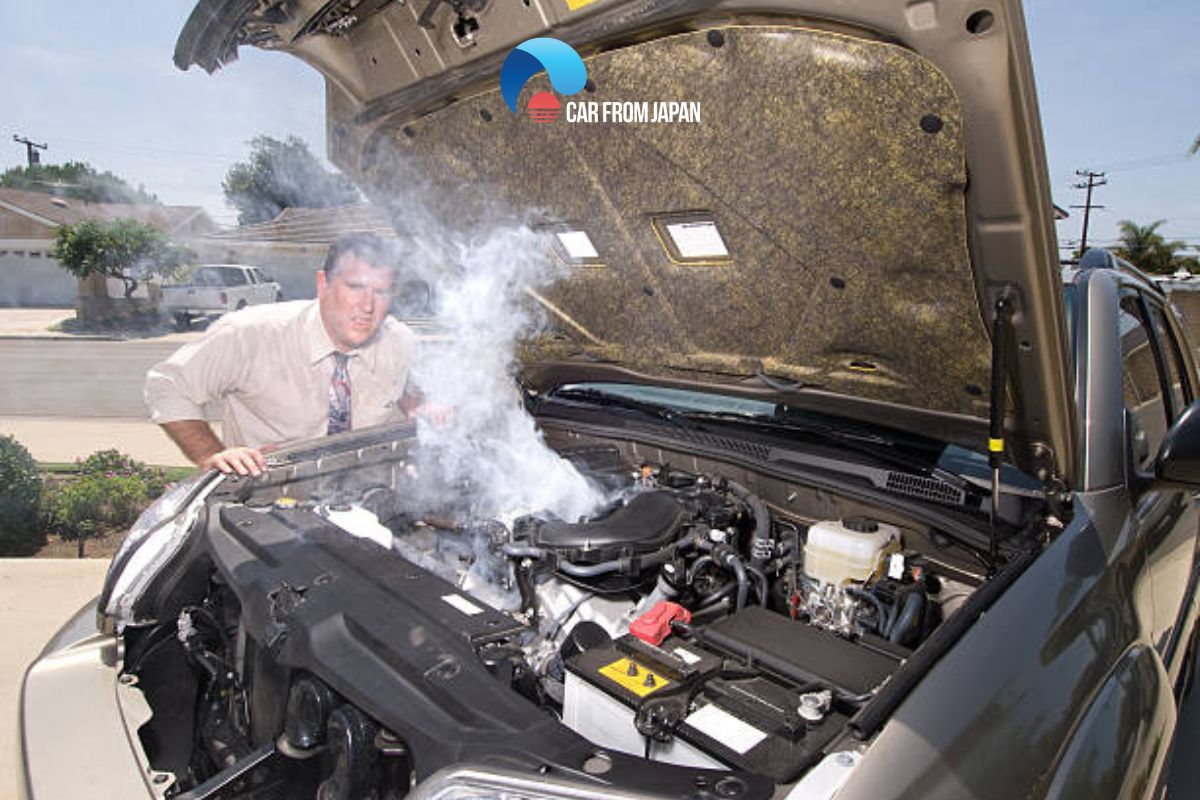
- Steam or smoke coming from under the hood
- Strange smells, like burning oil or sweet syrup (coolant)
- Loss of power or knocking sounds
- Warning lights on your dashboard
If you notice any of these, pull over immediately. Even a short delay can turn a small repair into a major expense.
What Really Happens If You Keep Driving
Driving a car that is overheating can cause:
- Warped cylinder heads: Metal parts bend and twist, ruining the engine.
- Blown head gasket: Coolant and oil mix, leading to total engine failure.
- Cracked engine block: This usually means replacing the entire engine.
- Transmission damage: Heat can also harm automatic transmissions.
- Loss of power steering: Some cars use the same belt for steering and cooling.
These repairs are very expensive. For example, a new head gasket can cost $1,000–$2,000. A new engine could be $4,000 or more.
Emergency Steps When Your Car Overheats
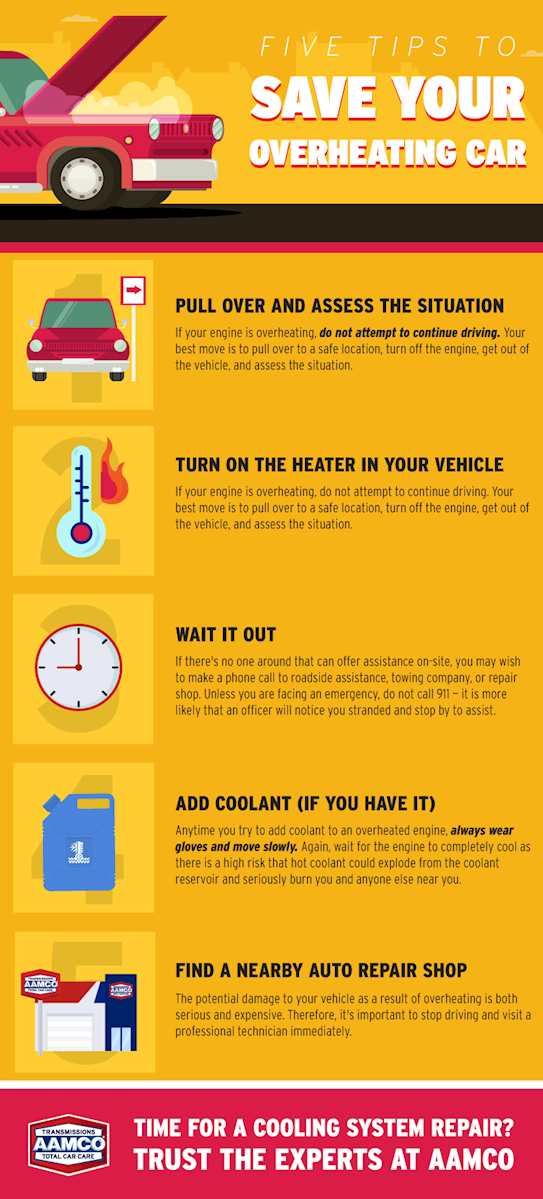
If you notice your car overheating, follow these steps:
- Turn off the air conditioning to reduce engine load.
- Turn on the heater to help pull heat away from the engine.
- Pull over safely and turn off the engine.
- Wait at least 15 minutes before opening the hood.
- Check coolant levels—but never open the radiator cap when hot.
If you must drive a short distance (for example, to get off a busy highway), drive slowly and avoid heavy acceleration. Keep an eye on the temperature gauge.
When Is It Safe To Drive An Overheating Car?
There are rare cases when you can drive a little further:
- The overheating is minor and the temperature gauge just started to rise.
- You are very close (less than 1 mile) to a safe stopping place.
- No smoke or loss of power is present.
But even then, it’s a big risk. The safer option is always to stop and call for help.
Here’s a quick comparison of safe vs unsafe situations:
| Situation | Drive Further? |
|---|---|
| Gauge just rising, no smoke | Possibly, for 1 mile |
| Steam or smoke visible | No |
| Engine knocking or power loss | No |
| Coolant leak under car | No |
| Warning lights flashing | No |
Credit: www.aamcoblog.com
Two Key Insights Most Drivers Miss
Many people think they can “just top off the coolant” and keep going. But if there’s a leak, the coolant will quickly escape again, and you’re back to overheating.
Another common mistake: Opening the radiator cap while the engine is hot. This can cause boiling coolant to spray out, causing serious burns.
How To Prevent Overheating In The Future
Prevention is always better than repair. Here are steps to keep your cooling system healthy:
- Check coolant levels every month
- Have your radiator and hoses inspected once a year
- Replace old coolant every 2–3 years
- Watch for leaks or wet spots under your car
- Listen for strange noises from the engine
Even a small leak can lead to overheating if ignored.
Why You Should Not Ignore Warning Signs
Some drivers ignore the first signs of trouble, hoping to “make it home. ” This usually leads to a much bigger problem. A small repair (like a new hose for $30) can turn into a $2,000 engine job if you keep driving.
If you’re in doubt, it’s always better to call for roadside assistance. For more detail on how overheating damages engines, you can read this Wikipedia article.
Frequently Asked Questions
What Is The Maximum Distance I Can Drive An Overheating Car?
Usually, less than 1 mile is safe if the temperature is in the danger zone. Even a few blocks can be risky if there is steam or loss of power.
Can I Use Water Instead Of Coolant In An Emergency?
Yes, plain water can help if you have nothing else, but only as a short-term fix. Replace with proper coolant as soon as possible.
What Happens If I Ignore Overheating And Keep Driving?
You risk severe engine damage like a blown head gasket, warped cylinder head, or even a cracked engine block. Repairs can cost thousands of dollars.
Why Does Turning On The Heater Help When Overheating?
Turning on the heater draws heat away from the engine and sends it into the car’s cabin. It’s not a perfect fix, but it can help lower the engine temperature for a short time.
Can Low Oil Cause My Car To Overheat?
Yes, low oil levels can make the engine run hotter because oil helps cool and lubricate engine parts. Check both oil and coolant regularly.
Driving an overheating car is never worth the risk. The best action is always to stop, let the engine cool, and fix the problem before driving further. Taking care of your car now can save you stress, money, and time in the long run.
Credit: www.easternshorehyundai.com
As an Amazon Associate, I earn from qualifying purchases.