Buying or selling a 2005 Ford F150 is a common scenario for many vehicle owners, but determining its value can feel confusing. This is not just about looking at a price tag online. A truck’s value depends on many important details, from its condition and mileage to market demand and extra features. Understanding all these factors helps you make smarter decisions, whether you plan to buy, sell, or just know your vehicle’s worth.
Key Factors That Influence Value
Several elements shape the price of a used 2005 Ford F150. Let’s break down what really matters.
Mileage
Mileage is one of the first things buyers and sellers check. Lower mileage usually means less wear and tear, which increases value. For a truck from 2005, the average annual mileage is around 12,000 miles. So, a typical F150 might have about 200,000 miles in 2024. Trucks with less than this are more desirable.
Condition
The physical and mechanical condition is crucial. Trucks in excellent shape with no rust, a clean interior, and a well-maintained engine will always attract higher prices. Small dents, scratches, or mechanical issues can quickly lower the value.
Trim Level And Features
The 2005 F150 came in different trim levels like XL, XLT, Lariat, and King Ranch. Higher trims have more features, such as leather seats, advanced sound systems, or alloy wheels. These extras can add real value, especially if they are in good shape.
Engine And Transmission
Buyers care about engine size and type. Options included the 4.2L V6, 4.6L V8, and 5.4L V8 engines. V8 engines are usually worth more because they offer better performance for towing and hauling.
Location
Prices vary by location. Trucks in areas with high demand, like rural or construction-heavy regions, often sell for more. In urban locations, demand may be lower.
Market Demand
Sometimes, market trends affect prices. For example, if gas prices are high, trucks with smaller engines might be worth more. If a specific trim or color is popular, it can sell faster and for more money.
How To Research Market Prices
Checking real sales data is the best way to estimate a fair price. Here’s how you can do it:
- Visit popular car sites like Kelley Blue Book, Edmunds, or NADA Guides.
- Enter the year, make, model, mileage, condition, and location.
- Compare the truck to similar listings in your area.
- Look at both private party and dealer prices. Dealers usually ask for more.
Here’s a comparison of price ranges by trim level and condition, based on recent market data:
| Trim Level | Fair Condition | Good Condition | Excellent Condition |
|---|---|---|---|
| XL | $3,000 | $4,000 | $5,000 |
| XLT | $3,500 | $4,700 | $6,000 |
| Lariat | $4,000 | $5,500 | $7,000 |
| King Ranch | $4,800 | $6,300 | $8,000 |
Vehicle History And Documentation
A clean vehicle history report can boost value. Buyers like to see records showing regular maintenance and no major accidents. You can get reports from services like Carfax or AutoCheck. Trucks with a history of accidents, flood damage, or title issues may lose up to 20% or more in value.
Maintenance Records
Well-kept maintenance records show the truck was cared for. Regular oil changes, brake service, and transmission fluid replacements are all positive signs.
Options And Aftermarket Upgrades
Factory options and dealer-installed features usually add value. Examples include:
- Tow package
- Upgraded stereo
- Power windows and locks
However, some aftermarket upgrades (like custom wheels or lift kits) can be a double-edged sword. While they attract certain buyers, others see them as a risk. Some insurance companies may even reduce coverage for heavily modified trucks.
Understanding Private Sale Vs. Trade-in Values
You’ll see two main values when you research:
- Trade-in value: What a dealer will offer you toward another vehicle. Usually lower.
- Private party value: What you can expect to get selling to another person. Usually higher.
Here’s a quick look at the difference:
| Sale Type | Expected Value |
|---|---|
| Trade-In | $3,000 – $5,500 |
| Private Sale | $4,000 – $7,500 |
Two Easy Ways To Estimate Value Yourself
If you want a quick estimate for your 2005 Ford F150, try these two methods:
1. Online Valuation Tools
Use sites like Kelley Blue Book to enter details and get an instant price range. Always check at least two sources for accuracy.
2. Compare Local Listings
Search classified ads in your area. Compare trucks with similar mileage, condition, and features. Adjust for anything unique about your truck.
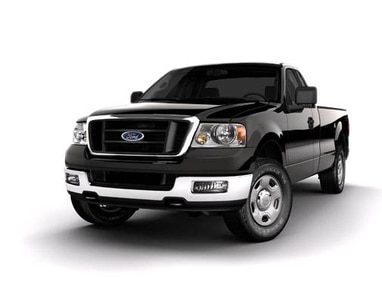
Credit: www.kbb.com
Hidden Details That Affect Value
Some things are easy to overlook but can make a difference:
- Tire condition: New tires can add $400–$800 to value.
- Rust: Even small rust spots can lower the price, especially on the frame or body panels.
- Check engine lights: Any warning lights reduce buyer confidence and value.
Common Mistakes To Avoid
Many sellers and buyers miss these pitfalls:
- Overestimating upgrades: Not all customizations add value.
- Ignoring paperwork: Missing service records or title issues scare away buyers.
- Unrealistic pricing: Asking too much slows sales and may force you to lower the price later.
Credit: www.federalregister.gov
Practical Example
Suppose you have a 2005 F150 XLT with 150,000 miles, clean history, and new tires. Based on current market data, you could expect about $5,000–$6,500 in good condition. If you try to sell with an accident on the record or visible rust, expect to reduce your price by 10–15%.
Quick Value Checklist
Before selling or buying, check these:
- Verify mileage
- Inspect exterior and interior
- Check for rust or damage
- Review service history
- Research prices for similar trucks
- Note any upgrades or unique features
Credit: www.superiornissannwa.com
Frequently Asked Questions
How Many Miles Is Too High For A 2005 Ford F150?
For a 2005 Ford F150, mileage over 200,000 is considered high. Trucks with fewer miles usually have a higher value, but maintenance history is also important.
Do Aftermarket Modifications Increase Value?
Some aftermarket modifications like lift kits or custom wheels can attract certain buyers, but often they don’t increase value for most people. Factory options are more reliable for adding value.
What’s The Difference Between Private Sale And Trade-in Value?
Private sale value is usually higher because you sell directly to another person. Trade-in value is lower, as dealers need to make a profit when they resell the vehicle.
Does Having A Clean Title Matter?
Yes, a clean title is important. Trucks with salvage or rebuilt titles are much less valuable and harder to sell.
Where Can I Find Reliable Value Estimates?
You can use online tools like Kelley Blue Book, Edmunds, or NADA Guides. Always check more than one source and compare similar vehicles in your local market.
Knowing the real value of a 2005 Ford F150 takes a little research, but it’s worth the effort. Use all the tools and tips above to set a fair price and avoid surprises, whether you’re buying, selling, or just curious about your truck’s worth.
As an Amazon Associate, I earn from qualifying purchases.