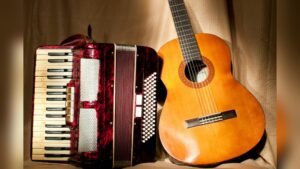
Have you ever wondered what gives jazz music its unique and soulful sound? The answer lies in the special instruments that bring this genre to life.
Whether you’re a music lover or just curious, understanding these instruments will change the way you listen to jazz forever. You’ll discover the key instruments that shape jazz music and how each one adds its own magic to the rhythm and melody.
Get ready to explore the sounds that make jazz so unforgettable.
Credit: www.cise.ufl.edu
Core Jazz Instruments
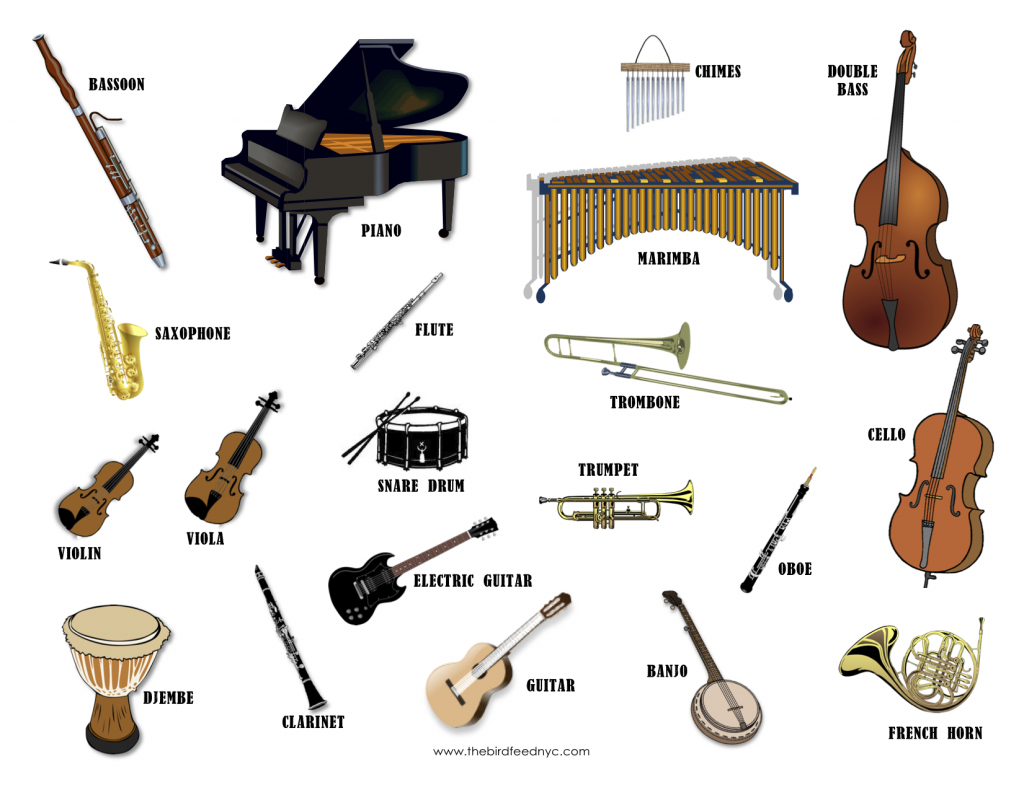
Jazz music has a unique sound shaped by its core instruments. These instruments create the rich, lively, and soulful feel jazz is known for. Each plays a special role in the music’s rhythm and melody.
The core jazz instruments include the saxophone, trumpet, and trombone. They form the backbone of many jazz bands. Their sounds blend to make jazz vibrant and expressive.
Saxophone Varieties
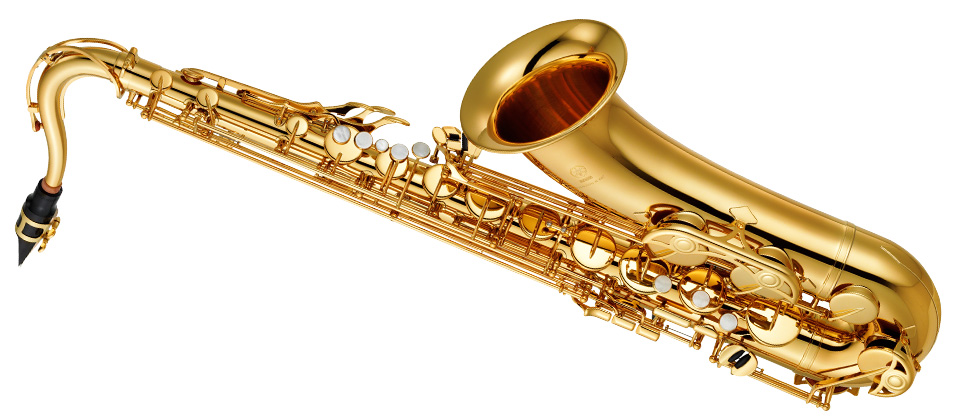
The saxophone is a key jazz instrument. It comes in different types: alto, tenor, soprano, and baritone. Each type has its own tone and range. The alto saxophone is bright and clear. The tenor saxophone sounds deeper and fuller. Soprano saxophones offer a higher, sharper sound. Baritone saxophones add a rich, low pitch. Saxophones can play smooth melodies and quick solos.
Trumpet And Its Role
The trumpet is loud and bright. It often leads the band with strong, clear notes. Trumpet players use breath control to change the sound. They can play fast runs or hold long notes. The trumpet adds energy and excitement to jazz music. It is essential in many jazz styles.
Trombone Characteristics
The trombone has a unique sliding mechanism. This allows players to change notes smoothly. Its sound is warm and sometimes bold. Trombone players often use slides for special effects. The trombone adds depth and richness to the music. It supports harmony and adds to the rhythm section.
Credit: www.dawkes.co.uk
Rhythm Section Essentials
The rhythm section forms the heartbeat of jazz music. It sets the tempo and groove for the entire band. This section includes the piano, double bass, and drums. Each instrument plays a unique role in creating the jazz feel.
Piano Techniques
The piano in jazz often plays chords and melodies. Pianists use syncopation to create interesting rhythms. They also add fills and solos that enhance the music. The left hand usually plays bass lines or chords. The right hand handles melodies or improvisations.
Double Bass Importance
The double bass provides the low-end sound that supports the band. Bassists often play walking bass lines that outline the chord changes. This helps keep the music moving smoothly. The double bass also adds depth and warmth to the sound. It connects the rhythm with harmony.
Drum Set Components
The drum set keeps the beat and adds texture to jazz music. It includes the snare drum, bass drum, hi-hat, cymbals, and toms. Drummers use brushes or sticks to create different sounds. They play rhythms that complement the other instruments. The drums drive the energy and dynamics of the band.
Additional Jazz Sounds
Jazz music features many unique sounds beyond the usual saxophone and trumpet. These additional instruments add rich layers and new textures. They help create jazz’s deep and varied soundscape. Musicians use these instruments to express different moods and styles.
Guitar In Jazz
The guitar plays a key role in jazz music. It can provide rhythm, harmony, and solos. Jazz guitarists use techniques like chords, fingerpicking, and improvisation. The guitar’s warm tone blends well with other instruments. It adds both smooth and sharp sounds to jazz bands.
Clarinet Usage
The clarinet was popular in early jazz styles. It has a bright, clear sound that stands out. Clarinet players use fast runs and trills to show skill. This instrument adds a playful and lively feel. It often appears in Dixieland and swing jazz bands.
Vibraphone And Its Texture
The vibraphone brings a unique, shimmering sound to jazz. It looks like a xylophone but has metal bars and motor-driven resonators. The vibraphone creates soft, smooth tones with a gentle vibrato. Jazz musicians use it for melodic lines and rich harmonies. It adds a dreamy, atmospheric layer to the music.
Electronic Instruments In Jazz
Jazz music has always embraced new sounds and tools. Electronic instruments added fresh tones and textures. They helped artists explore different musical ideas and styles. Electronic instruments in jazz create a bridge between tradition and innovation.
Electric Bass Evolution
The electric bass changed jazz music deeply. It offered a louder and clearer sound than the double bass. Musicians could play fast and complex rhythms easily. The electric bass allowed more freedom in improvisation. It became a staple in jazz fusion and modern jazz bands.
Synthesizers And Effects
Synthesizers bring a wide range of sounds to jazz. They mimic other instruments or produce unique tones. Effects like delay and reverb add depth to the music. Jazz artists use synthesizers to create moods and atmospheres. These tools expand the emotional expression of jazz performances.
Instrument Roles In Jazz Ensembles
Jazz ensembles feature various instruments, each with a unique role. These roles shape the sound and feel of the music. Some instruments lead the melody, while others provide support. Understanding these roles helps appreciate jazz more deeply.
Solo Vs Accompaniment
In jazz, some instruments play solos. They take the spotlight and express the main melody. Soloists add emotion and personality to the music. Other instruments accompany the soloist. They keep the rhythm and harmony steady. This balance between solo and accompaniment creates dynamic music.
Improvisation And Interaction
Improvisation is key in jazz. Musicians create music on the spot, making each performance unique. Instruments interact closely during improvisation. Players listen and respond to each other’s ideas. This interaction brings life and energy to jazz performances.

Credit: www.shutterstock.com
Frequently Asked Questions
What Are The Main Instruments In Jazz Music?
The main instruments in jazz include saxophone, trumpet, piano, double bass, drums, and trombone. These instruments create the distinctive sound and rhythm of jazz.
Which Instrument Defines The Jazz Saxophone Sound?
The saxophone is iconic in jazz for its rich, expressive tone. It often leads melodies and improvisations in jazz bands.
How Does The Double Bass Contribute To Jazz?
The double bass provides the rhythmic and harmonic foundation in jazz. It supports the groove and keeps the tempo steady.
What Role Do Drums Play In Jazz Music?
Drums drive the rhythm and dynamics in jazz. They offer syncopation and accentuate the music’s swing feel.
Conclusion
Jazz music uses many instruments to create its unique sound. Trumpets, saxophones, and trombones bring strong melodies. Pianos and guitars add harmony and rhythm. Drums and bass keep the beat steady and lively. Each instrument plays a special role in jazz bands.
Together, they make music full of life and feeling. Exploring these instruments helps us enjoy jazz even more. The rich sounds of jazz continue to inspire listeners worldwide.
As an Amazon Associate, I earn from qualifying purchases.