

Have you ever wondered what makes Tejano music so unique and captivating? It’s not just the rhythm or the lyrics—it’s the instruments that bring this vibrant sound to life.
Understanding how Tejano music instruments work can change the way you experience the genre. You’ll discover the key instruments that shape Tejano music, how they create its distinctive sound, and why they matter to both musicians and fans like you.
Ready to dive into the heart of Tejano music? Keep reading—you won’t want to miss this.
Origins Of Tejano Music Instruments
The origins of Tejano music instruments tell a story of culture and history. These instruments blend sounds from different places. They form the heart of Tejano music. The roots go deep into traditions and influences from outside lands. Understanding these origins helps us appreciate the music’s unique sound and spirit.
Traditional Roots
Tejano music instruments have strong traditional roots. Many come from Native American and early Mexican cultures. Simple drums and flutes were first used to create rhythms and melodies. These instruments helped tell stories and celebrate life events. Their sounds shaped early Tejano music’s distinct style.
Influences From Europe And Mexico
European settlers brought new instruments to Texas and Mexico. Accordions and violins are key examples. These instruments mixed with local sounds to create fresh music. Spanish guitars added rich melodies and rhythms. The blend of European and Mexican tools gave birth to modern Tejano music. This mix made the sound lively and full of energy.
Key Instruments In Tejano Music
Tejano music is known for its lively sound and rich culture. The instruments used play a big role in creating this unique style. Each instrument adds a special touch to the music. Understanding these key instruments helps appreciate Tejano music even more.
Accordion’s Role
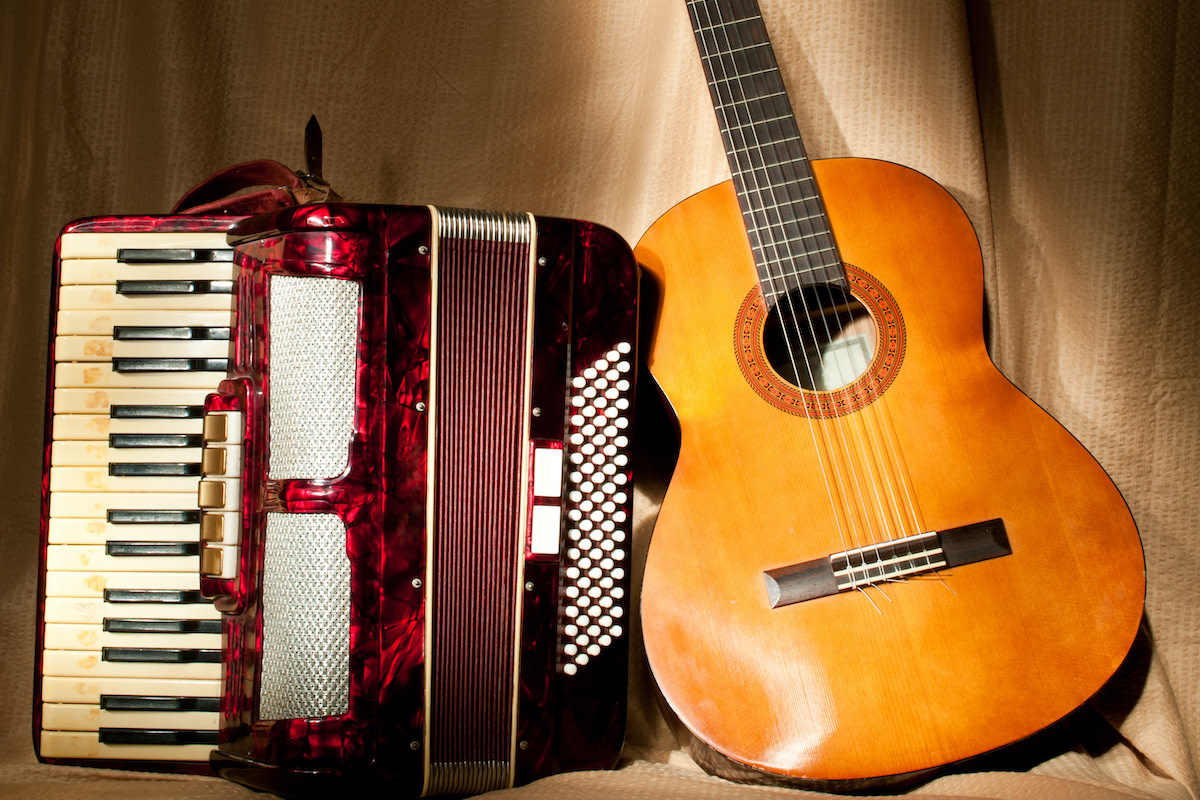
The accordion is the heart of Tejano music. It gives the music its bright and cheerful tone. Players use it to create catchy melodies that stick in your mind. The accordion blends well with other instruments. It shapes the overall sound and rhythm of the songs.
The Bajo Sexto
The bajo sexto is a large 12-string guitar. It provides deep, rich bass sounds and rhythm. This instrument supports the accordion by filling in harmony. It keeps the beat steady and strong. The bajo sexto adds a warm, full texture to the music.
Percussion Elements
Drums and other percussion instruments bring energy to Tejano music. The drum beats drive the tempo and keep the dance lively. Instruments like congas and timbales add unique rhythms. These percussion elements make the music feel alive and exciting.
Cultural Blending Through Sound
Tejano music is a rich blend of sounds shaped by many cultures. The instruments used tell stories of mixing traditions and shared histories. This cultural blending through sound gives Tejano music its unique character. Each note carries the influence of different peoples and places.
Mixing Musical Traditions
Tejano music grew from the mix of Mexican, German, Czech, and Polish sounds. Accordion and bajo sexto are key instruments borrowed from European immigrants. These instruments merged with traditional Mexican styles. The result is a lively, dance-friendly music that feels familiar yet new. This blend created a sound that resonates with many communities.
Cross-border Collaborations
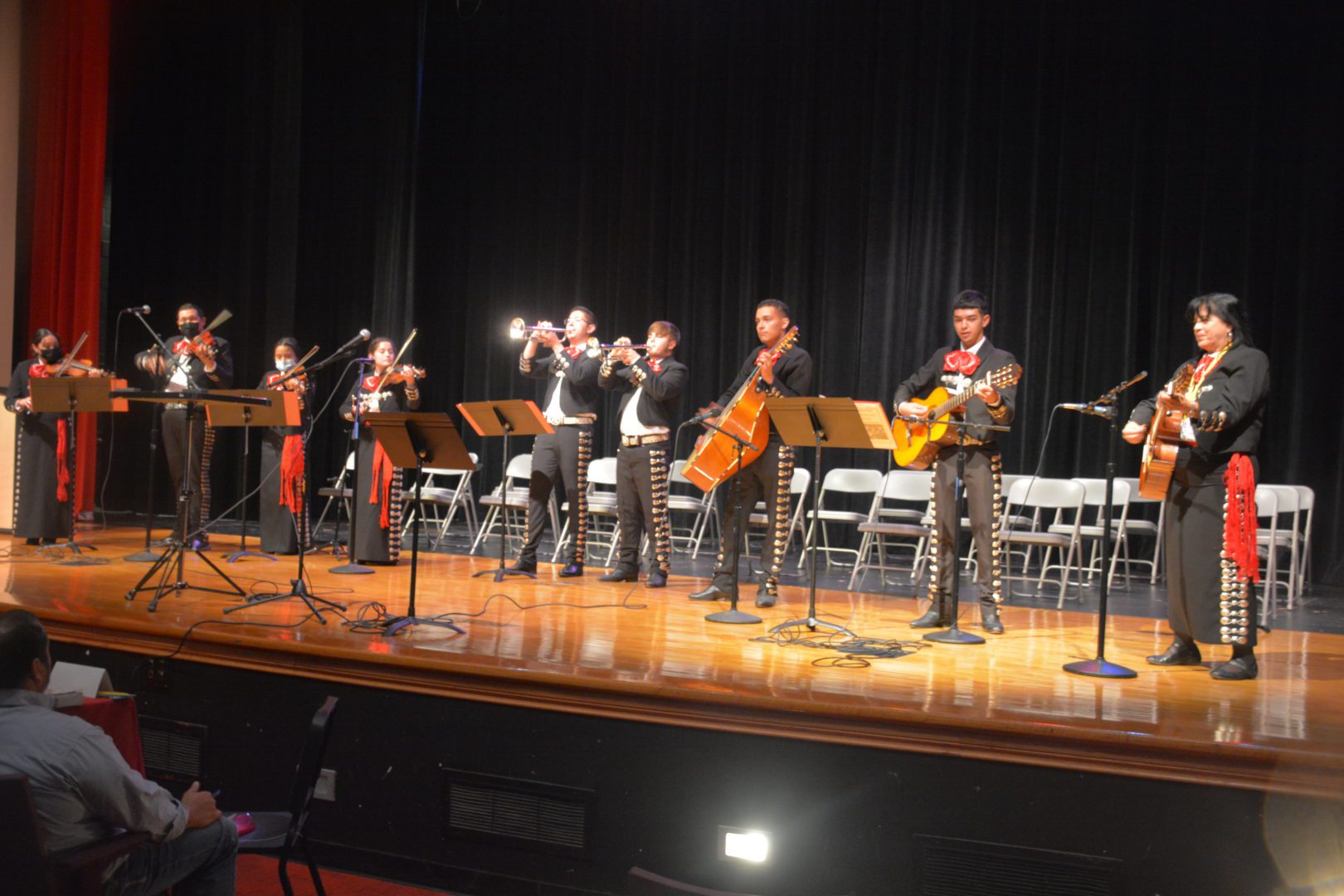
Musicians on both sides of the Texas-Mexico border share ideas and styles. They play together, inspiring new rhythms and melodies. This cooperation keeps Tejano music fresh and evolving. Instruments from both cultures come together, making each song a meeting of worlds. The music shows how borders cannot stop shared creativity.
Credit: southsideisd.org
Instruments As Symbols Of Identity
Tejano music instruments do more than create sound. They carry deep meaning for the people who play them. These instruments act as symbols of identity. They show who the musicians are and where they come from. Each instrument tells a story about culture and pride.
The instruments are a link to the past and a way to keep traditions alive. They connect players to their roots and to each other. The unique sounds of Tejano music come from these special instruments. They represent a shared history and community.
Community Connection
Tejano instruments bring people together. Musicians often play in groups or bands. This creates a strong bond among players and listeners. The instruments help build a sense of belonging. They remind everyone of their shared culture and values. Playing these instruments creates friendships and support networks.
Preserving Heritage
These instruments help keep Tejano heritage alive. Older generations pass down music and skills. The instruments carry stories and traditions from the past. Learning to play them connects young people to their ancestors. The sounds preserve a unique cultural identity. They keep history alive through music.
Modern Innovations And Fusion
Tejano music has evolved with modern innovations and fusion. These changes affect the instruments and sounds used. New styles blend with traditional rhythms to create fresh music. Musicians experiment with different genres and technology. This keeps Tejano music alive and exciting for new audiences.
Incorporating New Genres
Tejano artists mix styles like rock, hip-hop, and pop. They add new beats to the classic accordion and bajo sexto. This fusion creates unique sounds that attract younger fans. The mix helps the music stay relevant and popular. It also shows the cultural blend in Texas and Mexico.
Technological Impact
Technology changes how Tejano instruments sound and are played. Digital effects and synthesizers add new layers to the music. Musicians use software to record and edit tracks easily. Electronic instruments join traditional ones on stage and in studios. These tools help artists explore fresh ideas and reach wider audiences.
Credit: www.masterclass.com
Impact On Social Unity
Tejano music instruments have played a key role in building social unity. They bring people from different backgrounds together. The sounds create a shared experience that connects communities. This music often reflects the culture and history of its people. It helps preserve traditions and promote understanding among diverse groups.
Bringing Diverse Audiences Together
Tejano music attracts listeners from many cultures. The mix of instruments like the accordion and bajo sexto creates a unique sound. People enjoy dancing and singing along, no matter their background. These gatherings break down social barriers. Everyone feels welcome, creating a strong sense of belonging.
Music Festivals And Cultural Events
Festivals celebrating Tejano music are common in many cities. These events showcase local talent and traditional instruments. Families and friends attend to enjoy live performances and food. The festivals highlight cultural pride and community spirit. They offer a space for people to connect and share stories.

Credit: sanantonioreport.org
Frequently Asked Questions
What Are The Main Instruments In Tejano Music?
Tejano music primarily features the accordion, bajo sexto, drums, and bass guitar. These instruments create its unique blend of Mexican and American sounds.
How Did The Accordion Become Popular In Tejano Music?
The accordion was introduced by German settlers in Texas. Its distinct sound became central to Tejano music’s identity and style.
Why Is The Bajo Sexto Important In Tejano Music?
The bajo sexto provides rhythm and harmony. It’s a 12-string guitar-like instrument essential for the genre’s traditional sound.
How Do Drums Influence Tejano Music’s Rhythm?
Drums keep the beat and add energy. They blend with other instruments to create the danceable Tejano rhythm.
Conclusion
Tejano music instruments bring a unique sound and rich history. They mix traditional and modern styles. Each instrument adds its own voice to the music. The accordion and bajo sexto stand out as favorites. Together, they create lively and heartfelt tunes.
Exploring these instruments helps us appreciate Tejano culture more. Their sounds keep the music alive and vibrant today. This blend of sounds makes Tejano music special worldwide.
As an Amazon Associate, I earn from qualifying purchases.

