

Have you ever heard a sound that instantly takes you to a cozy campfire or a lively bluegrass festival? That unique, twangy tone often comes from a Dobro musical instrument.
But what exactly is a Dobro, and why does it hold a special place in so many hearts? If you’re curious about this fascinating instrument and how it can add a whole new dimension to your music, you’re in the right place.
Keep reading, and you’ll discover what makes the Dobro truly unforgettable—and why you might want one in your own collection.
Dobro Basics
The Dobro is a special type of guitar known for its unique sound. It is often used in bluegrass, country, and folk music. This instrument has a metal resonator that gives it a bright and loud tone.
Many musicians choose the Dobro for its clear and rich sound. It can be played with a slide or by fingerpicking. This makes the Dobro very versatile and interesting to listen to.
History And Origin
The Dobro was invented in the 1920s. It was created by the Dopyera brothers. They wanted a guitar that could be louder than regular acoustic guitars.
The name “Dobro” comes from the first two letters of the brothers’ last name. It also means “good” in Slovak, their native language. The Dobro quickly became popular in American music.
Unique Design Features
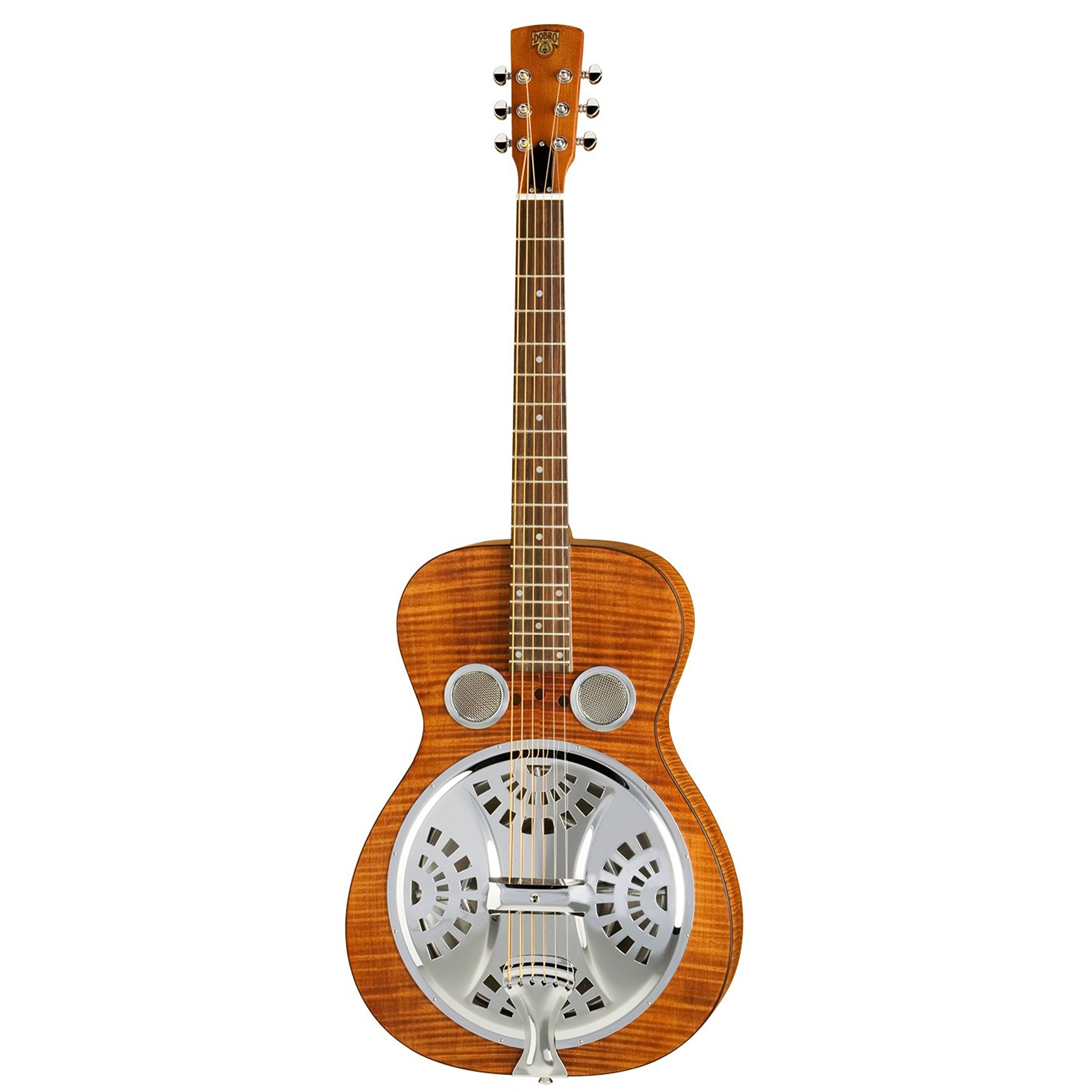
The Dobro has a metal resonator inside its body. This resonator helps amplify the sound. It makes the instrument louder without needing electricity.
The body of the Dobro is often made of wood. The metal cone inside acts like a speaker. Players usually use a slide to create smooth, singing notes.
Its shape and construction make the Dobro stand out from other guitars. The sound is bright, sharp, and carries well in a band.
How Dobro Sounds
The Dobro produces a sound that stands out in the world of string instruments. It has a unique voice shaped by its design and playing style. This sound draws listeners with its clear, bright, and metallic tone. The Dobro blends well in various music genres, especially in bluegrass and country music.
Understanding how the Dobro sounds helps appreciate its special place in music. Its tone and playing methods create a distinctive musical experience. These features make the Dobro a favorite for many musicians and fans alike.
Tone Characteristics
The Dobro has a sharp, ringing tone that cuts through other sounds. Its metal resonator gives it a bright and metallic sound. The instrument can sound warm and smooth or crisp and lively. The tone changes with the player’s touch and the guitar’s setup. It often carries a twangy, vibrant quality that is easy to recognize.
Playing Techniques
Players often use a slide to create the Dobro’s signature sound. This slide moves smoothly over the strings to make gliding notes. Fingerpicking and flatpicking are common ways to play it. The Dobro’s sound also comes from its open tuning styles. These techniques combine to produce a voice full of emotion and expression.
Types Of Dobro
The Dobro is a unique guitar with a rich sound and distinct look. Its design varies to suit different music styles and player preferences. Understanding the types of Dobro helps you appreciate its versatility and charm.
Resonator Varieties
The resonator is the heart of the Dobro. It amplifies sound without electricity. There are three main types: spider, biscuit, and inverted cone. The spider resonator has a metal bridge shaped like a spider. It produces a bright, clear tone. The biscuit resonator uses a wooden disc under the bridge. It gives a strong, punchy sound. The inverted cone resonator has a cone facing down. This design creates a mellow, warm tone. Each type changes the Dobro’s voice in its own way.
Body Shapes And Materials
Dobros come in various body shapes. The most common shape is square shoulder. It offers good balance and comfort. Another shape is round shoulder. It provides a softer sound. The materials used also affect the tone. Dobros made of wood sound warm and rich. Metal bodies give a brighter, sharper tone. Some Dobros mix wood and metal for a unique sound. The choice of shape and material shapes the player’s experience and music style.
Choosing Your First Dobro
Choosing your first Dobro can feel exciting and a bit tricky. This unique guitar has a special sound that stands out in many music styles. Picking the right Dobro helps you enjoy playing and improve faster. Focus on what fits your needs and style.
Budget Considerations
Set a budget before you start searching. Dobros come in many price ranges. Some models are affordable for beginners. Others are more expensive with extra features. Think about how much you want to spend. Balance quality and cost carefully. A good Dobro does not have to be costly. Start with a model that feels right for your budget.
Key Features To Look For
Check the material of the Dobro’s body. Wood types affect sound and weight. Look at the resonator design. It shapes the instrument’s tone. Strings should be easy to press. The neck must feel comfortable in your hand. Make sure the tuning machines work well. A clear, rich sound is important. Pick a Dobro that suits your music style.
Basic Playing Tips
Playing the Dobro well starts with simple tips. These basics help you get good sounds quickly. Focus on holding and using the slide correctly. Small details make a big difference.
Holding The Instrument
Hold the Dobro flat on your lap or against your chest. Keep it steady and close to your body. Use your non-dominant hand to support the neck. Your thumb should rest behind the neck for control. Relax your hands to avoid tension. Good posture helps you play longer and better.
Using A Slide
Use a metal or glass slide on your ring or pinky finger. Hold it lightly and let it glide over the strings. Avoid pressing too hard to stop buzzing sounds. Move the slide smoothly for clear notes. Practice sliding between notes to find the right pitch. Keep your fingers relaxed for better tone and control.

Credit: www.youtube.com
Caring For Your Dobro
Caring for your Dobro helps keep it sounding great for years. Regular care protects the wood and metal parts. It also keeps the instrument looking its best. Simple habits can prevent damage and costly repairs. This guide offers easy tips to maintain your Dobro properly.
Maintenance Tips
Wipe your Dobro with a soft cloth after each use. This removes sweat and dirt that harm the finish. Check the strings often for rust or wear. Change strings regularly to keep a bright sound. Use a gentle cleaner made for musical instruments. Avoid harsh chemicals that can damage the wood and metal. Tighten loose screws and parts carefully. Keep the resonator clean, but avoid water inside it. Play regularly to keep the wood from drying out.
Storage Advice
Store your Dobro in a hard case to protect it from bumps. Keep the case in a dry place with stable temperature. Avoid areas with high humidity or direct sunlight. Use a room humidifier if air is too dry. Don’t leave the Dobro near heaters or air conditioners. Loosen the strings slightly if you store it for a long time. This reduces tension and prevents warping. Store the Dobro flat or in a stand designed for it. Proper storage keeps your instrument safe and ready to play.
Famous Dobro Players
Dobro players have shaped the sound of American roots music. Their skill brings the Dobro’s unique voice to life. This section highlights some famous Dobro musicians and their contributions.
Influential Musicians
One of the most famous Dobro players is Jerry Douglas. He has won many awards for his Dobro playing. His style combines traditional bluegrass with modern sounds. Another key figure is Mike Auldridge, known for his smooth and expressive playing. Rob Ickes also stands out, blending jazz and bluegrass. These musicians helped the Dobro gain respect in many music genres.
Iconic Recordings
Several recordings made the Dobro famous worldwide. “The Great Dobro Sessions” features many top players and shows the instrument’s range. Jerry Douglas’ work with Alison Krauss on albums like “New Favorite” is well-loved. Mike Auldridge’s performances with The Seldom Scene also highlight the Dobro’s charm. These recordings inspire new players and keep the Dobro’s sound alive.
Credit: www.amazon.com
:max_bytes(150000):strip_icc()/dobro-played-941785904-5c85020d46e0fb0001336500.jpg)
Credit: www.liveabout.com
Frequently Asked Questions
What Is A Dobro Musical Instrument?
A Dobro is a type of resonator guitar. It has a metal resonator cone that amplifies sound. It is popular in bluegrass and country music. The Dobro produces a distinctive bright and metallic tone.
How Does A Dobro Differ From A Regular Guitar?
A Dobro uses a metal resonator instead of a wooden soundboard. This gives it a louder, sharper, and more metallic sound. It is often played with a slide or steel bar. Regular guitars rely on wooden body resonance for sound.
Who Invented The Dobro Guitar And When?
The Dobro was invented by the Dopyera brothers in 1928. They created it to produce a louder guitar sound. The name “Dobro” combines “Dopyera” and “brothers. ” It became popular in early American folk and country music.
What Music Styles Commonly Use The Dobro?
The Dobro is widely used in bluegrass, country, and folk music. It adds a unique twang and sustain to songs. It is also found in blues and Hawaiian music. Its resonator sound suits slide guitar techniques well.
Conclusion
The Dobro is a unique musical instrument with a rich sound. It blends well in many music styles. Its metal body creates a bright, clear tone. Players use a slide to make smooth notes. The Dobro adds warmth and character to songs.
Anyone curious about string instruments should try it. Simple to hold, yet offers great musical depth. A classic choice for those who love music.
As an Amazon Associate, I earn from qualifying purchases.

