

Have you ever wondered what makes the harp such a magical instrument? Its gentle strings and unique shape might catch your eye, but there’s so much more to discover.
Whether you’re curious about its history, how it produces sound, or why it stands out among other instruments, this article will guide you step by step. By the end, you’ll understand exactly what the harp is and why it continues to captivate musicians and listeners alike.
Keep reading to unlock the secrets behind this beautiful musical instrument.
Harp Origins
The harp is one of the oldest musical instruments in the world. Its origins trace back thousands of years. This stringed instrument has a rich history that spans many cultures and lands. Understanding where the harp began helps us appreciate its beauty and sound today.
Ancient Beginnings
The earliest harps appeared around 3000 BCE. Archaeologists found harp-like instruments in ancient Mesopotamia and Egypt. These early harps had simple wooden frames and few strings. They were used in temples and royal courts.
Harps were often small and portable at first. Over time, their size and complexity grew. By ancient times, some harps had more strings and curved shapes. This design allowed players to create a wider range of sounds.
Cultural Significance
The harp held special meaning in many cultures. In ancient Egypt, harps symbolized joy and celebration. They often appeared in artwork and religious ceremonies.
In Ireland, the harp became a national symbol. It represented the country’s spirit and culture. Irish bards played the harp to tell stories and history through music.
The harp’s role in rituals, storytelling, and entertainment made it a treasured instrument. Its sound connected people to their traditions and beliefs.

Credit: en.wikipedia.org
Harp Types
The harp is a beautiful instrument with different types for various players and music styles. Each harp type has unique features and sounds. Understanding these types helps you appreciate the harp better.
Harp types vary in size, shape, and how they change notes. Some are simple, while others are complex. Let’s explore the main types of harps used today.
Lever Harps
Lever harps are small and portable. They have levers on each string to change the pitch. Players move the levers by hand to raise notes. These harps are popular in folk music and beginner lessons.
Pedal Harps
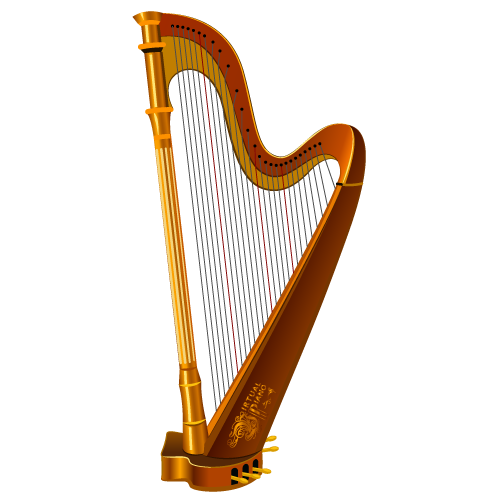
Pedal harps are large and used in orchestras. They have pedals at the base to change notes quickly. Players press pedals with their feet during performances. This harp type allows fast and complex music.
Electric Harps
Electric harps use pickups to amplify sound. They connect to speakers for louder volume. These harps suit modern music and live shows. Players can add effects to create new sounds.
Harp Anatomy
The harp is a beautiful musical instrument with a unique design. Understanding its parts helps you appreciate how it produces sound. The harp’s anatomy includes several key components. Each part plays an important role in creating music.
Strings And Tuning
The harp has many strings, usually between 40 and 47. Each string produces a different note. Strings are made from nylon, gut, or wire. Players pluck the strings with their fingers to make sound. Tuning pegs adjust string tension to set the correct pitch. Harp tuning is essential for clear, beautiful tones.
Frame And Soundboard
The frame holds the harp together and supports the strings. It is often made from wood for strength and beauty. The soundboard is a flat, wooden surface inside the frame. It vibrates when strings are plucked, making the sound louder. The soundboard shapes the harp’s tone and volume.
Pedals And Levers
Pedals and levers change the pitch of the strings. Pedal harps have seven pedals, one for each musical note. Players press pedals to raise or lower string pitch. Lever harps use small levers on the neck to change notes. These parts help the harp play many different tunes and keys.
Playing Techniques
Playing the harp involves unique techniques that shape its beautiful sound. These methods help players create different tones and effects. Learning the right techniques makes the music flow smoothly.
Plucking Methods
Harp strings are plucked with fingers, not picks. Players use the thumb, index, middle, and sometimes ring fingers. The thumb pulls strings toward the palm, while other fingers pull outward. This creates clear and warm sounds. The plucking strength changes the volume and tone.
Hand Positioning
Proper hand position is key for comfort and control. Hands stay relaxed and curved like a gentle arch. Fingers touch strings near the tips. Wrists remain steady, avoiding strain. Good posture helps play faster and avoid mistakes.
Advanced Techniques
Advanced players use techniques like glissando, harmonics, and damping. Glissando means sliding fingers quickly across many strings for a sweeping sound. Harmonics produce bell-like tones by lightly touching strings. Damping stops string vibrations to control sound length. These skills add expression and depth to the music.
Harp Music Genres
The harp is a versatile instrument that fits many music genres. Its sound can be soft and gentle or bright and lively. This makes it popular in different musical styles worldwide. Harp music varies depending on culture and tradition. Each genre shows a unique way to play and enjoy the harp.
Classical Music
Classical music often features the harp in orchestras and solo pieces. It adds a rich and elegant sound to compositions. Many famous composers wrote music for the harp. The instrument plays both melody and harmony parts. Its delicate tones blend well with strings and woodwinds.
Folk Traditions
Folk music uses the harp to tell stories and share culture. Different countries have their own harp styles. Celtic harp music is one of the best-known folk traditions. The harp’s sound is bright and clear, perfect for dancing tunes. Folk harp players often use simple, repeating patterns.
Contemporary Styles
Modern musicians use the harp in pop, jazz, and experimental music. The harp can create new sounds with electronic effects. It adds a fresh touch to many songs and performances. Some artists use the harp to mix traditional and modern styles. This keeps harp music exciting and current.

Credit: www.amazon.com
Famous Harpists
Famous harpists have shaped the history and sound of the harp. Their skill and passion brought this instrument to life. Many have inspired others to learn and enjoy the harp’s unique music. The harp’s charm is partly due to these artists’ creativity and talent.
Historical Figures
One of the most well-known historical harpists is Carlos Salzedo. He helped develop modern harp techniques. His work changed how people play and think about the harp. Another key figure is Marcel Grandjany. He composed beautiful music and taught many harp players. These artists left a strong mark on harp history. Their music and teaching still influence harpists today.
Modern Artists
In today’s world, harpists like Joanna Newsom stand out. She mixes folk and classical styles in her songs. Her voice and harp create a fresh, unique sound. Another famous modern harpist is Loreena McKennitt. She combines Celtic music with the harp’s soft tones. Their success shows the harp’s place in modern music. Many new artists continue to explore and enjoy the harp’s beauty.
Care And Maintenance
Proper care and maintenance keep your harp sounding beautiful and lasting longer. Regular attention prevents damage and costly repairs. Simple habits protect the strings and wood. A clean harp looks great and plays well.
String Replacement
Check strings often for signs of wear or breakage. Replace old or damaged strings quickly to avoid affecting sound quality. Use strings made for your harp type. Tune new strings gently to avoid snapping. Changing strings one at a time helps keep tension balanced.
Cleaning Tips
Dust the harp regularly with a soft cloth. Avoid using water or harsh chemicals on the wood. Use a dry microfiber cloth to clean strings. Clean the soundboard gently to prevent scratches. Keep the tuning pegs free of dust for smooth tuning.
Storage Advice
Store the harp in a dry, cool place away from direct sunlight. Avoid places with high humidity or temperature changes. Use a harp cover to protect it from dust. Keep the harp upright to prevent warping. Avoid placing heavy objects on or near the harp.
Choosing A Harp
Choosing a harp is an exciting step for anyone interested in this beautiful instrument. The right harp suits your skill level, style, and budget. This guide helps you find the best harp to start or continue your musical journey.
Beginner Options
Beginner harps are smaller and easier to play. They usually have fewer strings, making learning simpler. Lever harps are common for beginners. They are light and portable. These harps help you practice basic techniques. Sound quality is good enough for practice and small performances.
Professional Models
Professional harps have more strings and pedals. They offer a wider range of notes and complex sounds. Concert harps are large and made with quality wood. They produce rich, full tones. These harps are ideal for advanced players and performances. They require more skill to play well.
Budget Considerations
Harp prices vary widely. Beginner harps cost less, often under $1000. Professional harps can cost several thousand dollars. Consider your budget before buying. Renting or buying used harps can save money. Focus on quality and sound, not just price. Choose a harp that fits your financial plan.
Credit: virtualpiano.net
Frequently Asked Questions
What Is A Harp Musical Instrument?
A harp is a stringed musical instrument with a triangular frame. It produces sound by plucking its strings with fingers. Harps vary in size and number of strings, commonly used in classical, folk, and contemporary music.
How Does A Harp Produce Sound?
Sound is created when you pluck the harp strings. Each string vibrates at a specific pitch depending on its length and tension. The vibrations resonate through the harp’s wooden body, amplifying the sound.
What Are The Different Types Of Harps?
Common types include pedal harps, lever harps, and folk harps. Pedal harps are large and used in orchestras. Lever harps are smaller with levers to change pitch. Folk harps are simple and portable.
Who Invented The Harp Instrument?
The harp dates back over 5,000 years and has no single inventor. It evolved in various cultures worldwide, including ancient Egypt and Mesopotamia. Its design has changed significantly over time.
Conclusion
The harp is a beautiful and ancient musical instrument. It creates soft, soothing sounds that touch the heart. Many cultures have embraced the harp over centuries. Learning to play takes patience but brings joy. The harp’s unique shape and strings make it special.
Anyone curious about music should try exploring the harp. Its charm and history make it worth knowing. A simple instrument with deep, rich tones. The harp continues to inspire musicians worldwide today.
As an Amazon Associate, I earn from qualifying purchases.

