

Have you ever wondered what gives jazz music its unique, soulful sound? The instruments used in jazz are more than just tools—they’re the heart and soul of every melody and rhythm you love.
Whether you’re a music fan or just curious, understanding these instruments will deepen your appreciation and maybe even inspire you to listen differently. You’ll discover the key instruments that bring jazz to life and why each one plays a special role in creating those unforgettable tunes.
Keep reading, and let the magic of jazz unfold right before your ears.
Credit: www.dawkes.co.uk
Core Jazz Instruments
Jazz music has a unique sound shaped by its core instruments. These instruments create the melody, harmony, and rhythm that define jazz. Each instrument has a special role. Together, they bring jazz to life with rich and vibrant sounds.
Saxophone Varieties
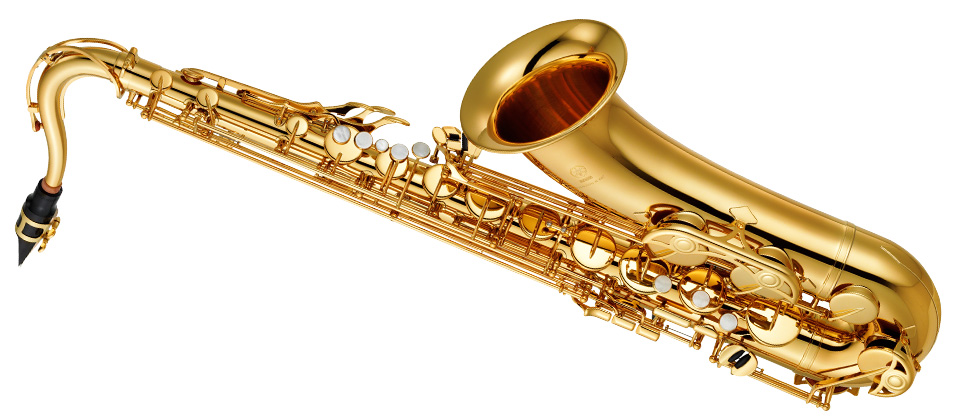
The saxophone is a key jazz instrument. It comes in different types: alto, tenor, soprano, and baritone. Each type has its own tone and pitch. The alto saxophone is bright and clear. The tenor saxophone has a deeper, richer sound. Soprano saxophones produce high, sweet notes. Baritone saxophones add deep, low tones. Saxophones often carry the melody or play solos.
Trumpet Roles
The trumpet is famous in jazz for its strong, bright sound. It often leads the band with sharp, clear notes. Trumpet players create exciting solos and catchy riffs. The instrument adds energy and brightness to the music. Trumpets can play soft, smooth lines or loud, powerful blasts. They help shape the mood of a jazz piece.
Trombone In Jazz
The trombone adds a warm, rich sound to jazz bands. Its sliding notes offer smooth, expressive effects. Trombone players can play both melody and harmony parts. The instrument brings a unique voice with deep, mellow tones. It often supports the rhythm and adds fullness to the music. Trombone solos can be both soulful and lively.
Rhythm Section Essentials
The rhythm section forms the heartbeat of jazz music. It creates the groove and keeps the tempo steady. This section provides the foundation for melodies and solos. It supports the band with strong, clear rhythms. Each instrument in this group plays a key role.
Double Bass And Bass Guitar
The double bass is a classic jazz instrument. It delivers deep, rich tones that drive the music forward. Bass players use fingers or a bow to play. The bass guitar offers a modern sound. It is easier to amplify and transport. Both instruments keep the pulse and outline the chord progressions. They create a smooth flow for the band.
Drums And Percussion
Drums set the pace and add energy. The drum kit includes snare, bass drum, cymbals, and toms. Drummers use sticks or brushes for different sounds. Percussion instruments like congas and shakers add color and texture. They bring complexity to the rhythm. Drummers interact closely with other musicians to shape the groove.
Piano And Keyboards
The piano is a versatile instrument in jazz. It plays chords, melodies, and rhythmic patterns. Pianists add harmony and fill the sound space. Keyboards offer electronic sounds and effects. They expand the range of tones available. Both instruments help define the mood and style of the piece. They connect rhythm and harmony smoothly.
Additional Jazz Instruments
Jazz music uses many instruments beyond the usual trumpet and saxophone. These additional instruments add unique sounds and textures. They help make jazz rich and exciting. Musicians often experiment with these to create new styles.
Guitar Styles In Jazz
The guitar plays a big role in jazz music. It can sound soft and smooth or sharp and bright. Jazz guitarists use different styles like fingerpicking and strumming. They also use chords and solos to add depth. The guitar often supports the rhythm and melody.
Clarinet Contributions
The clarinet brings a warm, flowing sound to jazz bands. It was very popular in early jazz. Clarinet players use fast runs and smooth tones. This instrument adds a playful and lively feel to the music. It blends well with other wind instruments.
Flute And Other Woodwinds
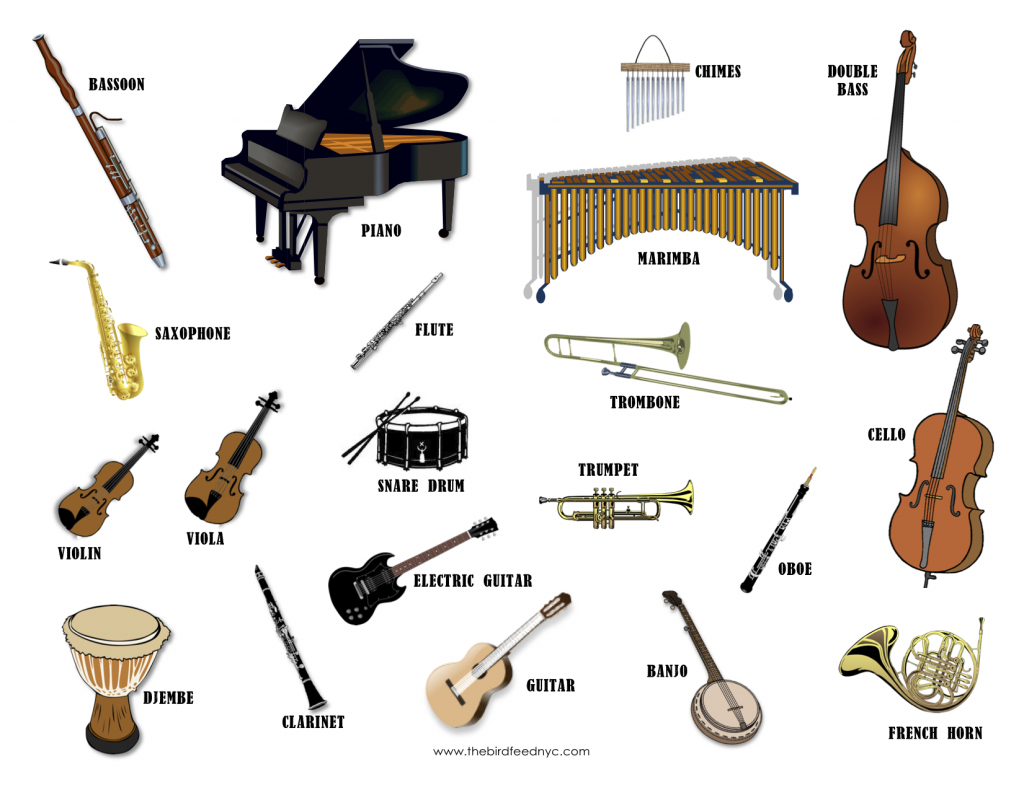
The flute offers a light and airy sound in jazz. It is less common but very expressive. Other woodwind instruments like the bassoon and oboe sometimes appear too. These add different colors and moods to jazz pieces. They give musicians more ways to tell stories.

Credit: www.shutterstock.com
Electronic And Modern Jazz Tools
Jazz music is always growing and changing. Electronic and modern tools bring fresh sounds and new ways to play. These tools help artists mix traditional jazz with new styles. They create unique music that reaches more people. Musicians use these tools to explore and express themselves differently.
Synthesizers In Jazz
Synthesizers create sounds that traditional instruments cannot. They produce tones from soft pads to sharp leads. Jazz players use synthesizers to add depth to their music. These instruments can mimic other instruments or create new ones. They allow artists to experiment with harmony and texture. Synthesizers are important in modern jazz fusion and electronic jazz.
Effects And Amplification
Effects change the sound of instruments and voices. Reverb, delay, and distortion are common effects in jazz. Musicians use pedals and processors to control these effects live. Amplification helps the sound reach large audiences clearly. Electric guitars and basses rely on amps for their signature sound. Effects and amplification give jazz music energy and excitement.
Choosing Instruments For Jazz Styles
Choosing the right instruments shapes the sound of each jazz style. Different jazz genres use specific instruments that fit their unique rhythms and moods. This choice influences how musicians express themselves and how audiences feel the music. Exploring the instruments used in various jazz styles helps us appreciate the genre’s rich diversity.
Instruments In Bebop
Bebop features fast tempos and complex melodies. Saxophones and trumpets lead the melody with sharp, quick notes. The piano provides harmony and rhythmic support. Upright bass keeps the beat steady and strong. Drums add energy with fast, intricate patterns. These instruments combine to create bebop’s lively and intense sound.
Instruments In Swing
Swing music has a smooth, danceable rhythm. Big bands use trumpets, trombones, and saxophones to build rich harmonies. The piano offers a rhythmic backbone and solos. Guitar plays steady chords and adds texture. Double bass keeps a walking bass line. Drums maintain a swinging beat with brushes or sticks. Together, these instruments create a warm and inviting atmosphere.
Instruments In Fusion
Fusion blends jazz with rock and funk elements. Electric guitars and keyboards bring new sounds and effects. Synthesizers add layers of texture and atmosphere. Bass guitars replace traditional double bass for a modern groove. Drums use electronic pads and acoustic kits for varied beats. These instruments help fusion push jazz into fresh, exciting directions.
Credit: www.cise.ufl.edu
Frequently Asked Questions
What Are The Main Instruments Used In Jazz Music?
Jazz primarily features saxophone, trumpet, piano, double bass, and drums. These instruments create the genre’s unique rhythm and harmony. Each instrument plays a vital role in improvisation and expression, defining the classic jazz sound.
Which Instrument Is Most Iconic In Jazz Music?
The saxophone is often considered the most iconic jazz instrument. Its versatile tone and expressive range allow for soulful improvisation. Many legendary jazz musicians are known for their saxophone skills, making it a symbol of the genre.
How Do Drums Contribute To Jazz Music?
Drums provide the essential rhythm and beat in jazz. They drive the tempo and add dynamic accents. Jazz drummers use techniques like syncopation and swing to enhance the music’s lively and spontaneous feel.
Is The Piano Important In Jazz Ensembles?
Yes, the piano is crucial in jazz ensembles. It offers harmony, melody, and rhythm support. Pianists often improvise solos and accompany other instruments, making it a versatile and foundational jazz instrument.
Conclusion
Jazz music brings life with many unique instruments. Saxophones, trumpets, and trombones add bright, bold sounds. Pianos and guitars provide rhythm and harmony. Drums keep the beat steady and strong. Each instrument plays a special role in jazz bands. Together, they create rich, vibrant music that moves the soul.
Exploring these instruments helps you appreciate jazz more deeply. The blend of sounds makes jazz truly special and timeless.
As an Amazon Associate, I earn from qualifying purchases.

