

Looking to sell your musical instruments but not sure where to start? Whether you have a guitar gathering dust or a keyboard you no longer use, finding the right place to sell can make all the difference.
You want a spot that’s easy, trustworthy, and gets you the best price. You’ll discover the top places where you can sell your musical instruments quickly and safely. Keep reading to find the perfect match for your needs and turn your music gear into cash without any hassle.

Credit: www.imc-az.com
Local Music Stores
Local music stores offer a great place to sell musical instruments. These stores connect sellers with buyers in the community. The process is simple and often quick. Many stores accept used instruments and offer several selling options.
Trade-in Options
Trade-in options let you exchange your old instrument for store credit. This credit can buy a new or used instrument from the store. Trade-ins save time and effort compared to selling privately. The store evaluates your instrument’s condition and offers a fair price. This option suits those who want to upgrade their gear easily.
Consignment Sales
Consignment sales let the store sell your instrument for you. You keep ownership until the item sells. The store displays the instrument and finds buyers. Once sold, you receive a percentage of the sale price. This option works well for rare or high-value instruments. It can take time, but often gets better prices.

Credit: musicgoround.com
Online Marketplaces
Online marketplaces offer a wide range of options for selling musical instruments. These platforms connect sellers with buyers worldwide. They provide a convenient way to reach a large audience. Sellers can list various instruments, from guitars to keyboards. Many platforms support secure payments and shipping options. Choosing the right marketplace helps sell items faster and at better prices.
General Platforms
General platforms like eBay and Facebook Marketplace allow selling almost anything. These sites have millions of users, increasing the chance of a quick sale. Sellers can create detailed listings with photos and descriptions. Buyers often search here first for used instruments. Payment and shipping processes are usually built-in. These platforms suit sellers who want broad exposure.
Specialized Music Sites
Specialized music sites focus only on musical instruments and gear. Sites like Reverb and Musician’s Friend attract serious musicians and collectors. Buyers trust these platforms for quality and authenticity. Sellers can find a targeted audience interested in their specific instruments. These sites often offer tools to set prices and track sales. They are ideal for sellers with unique or high-end instruments.
Social Media Groups
Social media groups offer a simple way to sell musical instruments. They connect sellers with local buyers fast. These platforms have many users who might want your guitar, piano, or drums. Selling here can save time and avoid extra fees.
Facebook Marketplace
Facebook Marketplace is a popular place to sell instruments. It shows your item to people nearby. You can add photos and describe your instrument clearly. Buyers can message you directly to ask questions. This makes communication easy and quick.
Setting a fair price helps your instrument sell faster. You control who sees your listing. You can also update your post anytime. Facebook Marketplace does not charge selling fees, which saves money.
Community Buy-sell Groups
Community buy-sell groups on Facebook or other social sites focus on local trade. These groups often have strict rules to keep sales safe and fair. You can join groups dedicated to musical instruments or general items.
Posting in these groups reaches people interested in your area. It builds trust because buyers and sellers often live nearby. Meeting in person for the sale is easier and safer. These groups also allow you to get quick feedback and price advice.
Pawn Shops
Pawn shops offer a quick way to sell musical instruments. They pay cash on the spot. No need to wait for a buyer online or in person. You bring your instrument, and the pawnbroker checks its value. Then, you get an offer right away. This can be helpful if you want money fast. Many pawn shops accept guitars, keyboards, drums, and more. But selling here has pros and cons to consider.
Pros And Cons
Pawn shops give instant cash for your instrument. They do not require long contracts or listings. This saves time and effort. You can sell instruments in any condition. Some shops also buy rare or vintage items. On the downside, the price offered is often lower than market value. Pawn shops need to resell at a profit. Offers depend on the shop’s knowledge and demand. Some shops may undervalue your instrument. You might get less than you expect.
Negotiation Tips
Research your instrument’s value before visiting. Know the average price for similar items. Bring any accessories or original cases. These add value. Be polite and clear about your price. Start with a higher offer than your minimum. Listen carefully to the pawnbroker’s reasons. Show confidence but remain flexible. Don’t rush the deal. Walk away if the offer feels too low. Sometimes shops improve offers to keep your business.
Music Schools And Studios
Music schools and studios are great places to sell musical instruments. These places have many people who want to buy instruments. Selling here can be quick and easy. You get to connect with buyers who understand music and its value. The environment is friendly and focused on learning and creativity.
Student Buyers
Students need instruments for practice and lessons. Many students look for affordable options. Selling to students can be rewarding. They often want used instruments in good condition. Students prefer buying locally to avoid shipping costs. This makes music schools and studios ideal places to find eager buyers.
Instructor Networks
Music teachers know many musicians and students. They can help spread the word about your instrument. Instructors often recommend instruments to their students. This network can lead to fast sales. Teachers understand the quality and features of instruments. Their support builds trust with buyers and helps sell your instrument effectively.
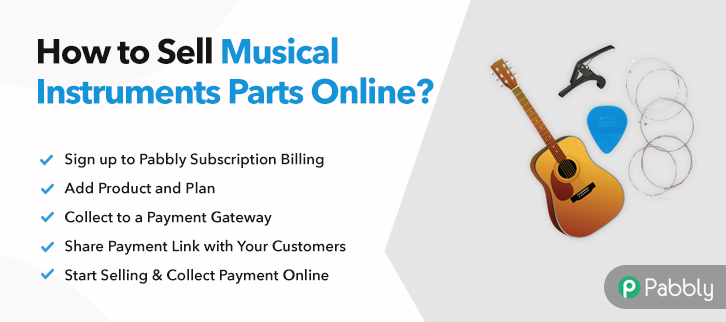
Credit: www.pabbly.com
Garage Sales And Flea Markets
Garage sales and flea markets offer a great chance to sell musical instruments locally. These places attract many buyers who like to see and try items before buying. Selling here means less hassle with shipping and no online fees. It also allows for direct conversations with buyers, making the sale smoother.
Many people enjoy finding hidden gems at flea markets. Musical instruments often catch the eye of hobbyists and beginners. These venues create a friendly atmosphere that can lead to quick sales. Setting up your space well and pricing items fairly can boost your success.
Setting Up For Success
Choose a clean, open spot with good light. Arrange instruments so buyers can easily see and touch them. Use tables or stands to display items clearly. Have a sign with your name and prices visible. Bring extra chairs for comfort during talks with buyers. Keep items secure but accessible for testing. A neat setup shows care and builds trust.
Pricing Strategies
Research similar instruments to set fair prices. Start slightly higher than your lowest price. This leaves room for buyers to bargain politely. Offer discounts for multiple purchases or quick decisions. Be ready to explain the instrument’s condition and value. Avoid pricing too high or too low to keep interest. Clear, honest pricing helps close sales faster.
Online Auction Sites
Online auction sites offer a popular way to sell musical instruments. These platforms gather buyers from around the world. Sellers can list their items and let buyers bid on them. The highest bid wins the instrument. This method can reach more people than local sales. It works well for rare or valuable instruments. Online auctions provide a quick and easy selling process. Many sellers find good prices through competitive bidding.
How Auctions Work
Sellers create a listing with photos and details. They set a starting price and auction length. Buyers place bids by offering higher prices. The auction timer resets with each new bid. At the end, the highest bid wins the item. Sellers then arrange shipping or pickup with buyers. Fees may apply based on the sale price. Auctions encourage buyers to compete and raise prices.
Maximizing Sale Price
Clear photos help buyers see the instrument’s condition. Accurate descriptions build trust and reduce questions. Setting a low starting price attracts more bidders. Timing auctions on weekends gets more attention. Responding quickly to buyer questions keeps interest high. Offering free shipping can increase bids. Highlighting unique features makes your listing stand out.
Frequently Asked Questions
Where Can I Sell Used Musical Instruments Online?
You can sell used instruments on platforms like eBay, Reverb, and Facebook Marketplace. These sites attract music enthusiasts and offer secure transaction options. Listing your instrument with clear photos and a detailed description increases your chances of a quick sale.
What Local Places Buy Musical Instruments?
Local music stores and pawnshops often buy used instruments. Consignment shops may also sell your instrument for you. Visiting these places allows for immediate appraisal and payment, making the selling process faster and more convenient.
How Do I Price My Musical Instrument For Sale?
Research similar instruments on online marketplaces to gauge market value. Consider the instrument’s condition, brand, and age. Pricing competitively attracts buyers while ensuring you get a fair return on your instrument.
Is Selling Musical Instruments At A Garage Sale Effective?
Garage sales can work for quick, low-effort sales but may yield lower prices. They attract casual buyers who may not value instruments highly. For better returns, consider specialized online or local music store sales.
Conclusion
Selling musical instruments can be simple and rewarding. Choose the right place based on your needs and the instrument type. Online marketplaces offer wide reach and convenience. Local music stores provide quick sales and personal help. Don’t forget community boards or social media groups for local buyers.
Take clear photos and write honest descriptions to attract buyers. Price your instrument fairly to sell faster. Stay patient and communicate clearly with potential buyers. You can find the best spot to sell with some research and care. Your instrument deserves a good new home.
As an Amazon Associate, I earn from qualifying purchases.

