
If you drive a BMW with run-flat tires, you might wonder what happens when one gets damaged. Can you simply patch it and keep driving, or is replacement your only option?
Knowing the answer could save you time, money, and stress the next time you face a tire issue. You’ll learn exactly what’s safe and effective when it comes to repairing your run-flat tire. Keep reading to find out how to protect your ride and stay on the road with confidence.
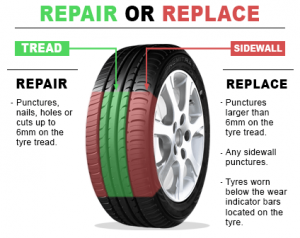
Credit: sydneycarrepair.com.au
Run Flat Tires On Bmws
Run flat tires on BMWs offer a unique driving experience. They allow drivers to keep moving after a puncture. This feature helps avoid sudden stops on busy roads. BMW uses run flat tires to match its high safety standards. Understanding how these tires work helps in proper maintenance and care.
Not all tires fit every vehicle. BMW designs run flats to support the car’s weight without air. This design keeps the tire shape even when punctured. Many BMW owners wonder if these tires can be patched. Knowing the details of run flat tires is essential before deciding.
How Run Flats Work
Run flat tires have reinforced sidewalls. These thick walls hold the tire shape when air pressure drops. The car can continue driving at slow speeds, usually up to 50 miles. This gives drivers time to find a safe place to stop. The tires do not need immediate replacement after a flat.
The special design supports the vehicle’s weight without air inside. Sensors in BMWs alert drivers about low tire pressure. This warning helps avoid damage to the tire and rim. Run flats reduce the risk of accidents from sudden tire failure.
Benefits And Drawbacks
Run flat tires increase safety and convenience. Drivers avoid changing tires on the roadside. The car stays balanced even with a flat tire. This reduces the chance of losing control.
These tires often cost more than regular ones. They usually have a firmer ride, which some find less comfortable. Repair options are limited because sidewalls may weaken after a puncture. Not every tire shop can repair run flats properly.
BMW drivers must weigh these pros and cons. Understanding run flat tires helps in making smart choices. Proper care can extend the life of these special tires.
Common Causes Of Run Flat Tire Damage
Run flat tires on a BMW offer safety and convenience. They let you drive a short distance after a puncture. Still, these tires can get damaged. Knowing common causes helps you spot issues early. It also guides you on whether repair is possible.
Punctures And Tears
Punctures occur when sharp objects like nails or glass pierce the tire. Small holes in the tread can sometimes be patched. Tears, however, are larger cuts that often affect tire strength. These usually happen from sharp debris or accidents. Punctures and tears reduce the tire’s ability to hold air.
Sidewall Damage
The sidewall is the tire’s flexible outer edge. It protects the tire and supports the car’s weight. Damage here is serious. Sidewalls can get cuts, cracks, or bulges from curbs or potholes. A damaged sidewall often means the tire cannot be safely repaired. Replacement is usually the only option.
Impact And Road Hazards
Hitting potholes, curbs, or debris can harm run flat tires. Strong impacts may cause internal damage. This might not be visible but weakens the tire structure. Road hazards can also cause bruising or sidewall bubbles. These problems increase the risk of tire failure while driving.
When To Consider Patching A Run Flat Tire
Knowing when to patch a run flat tire on your BMW is important for safety and performance. Not all tire damage can be fixed. Some damages need a full tire replacement to keep you safe on the road.
Understanding the type and size of the damage helps decide if patching is possible. Following BMW’s own rules also guides the right choice. This keeps your car running smoothly and safely.
Assessing The Damage
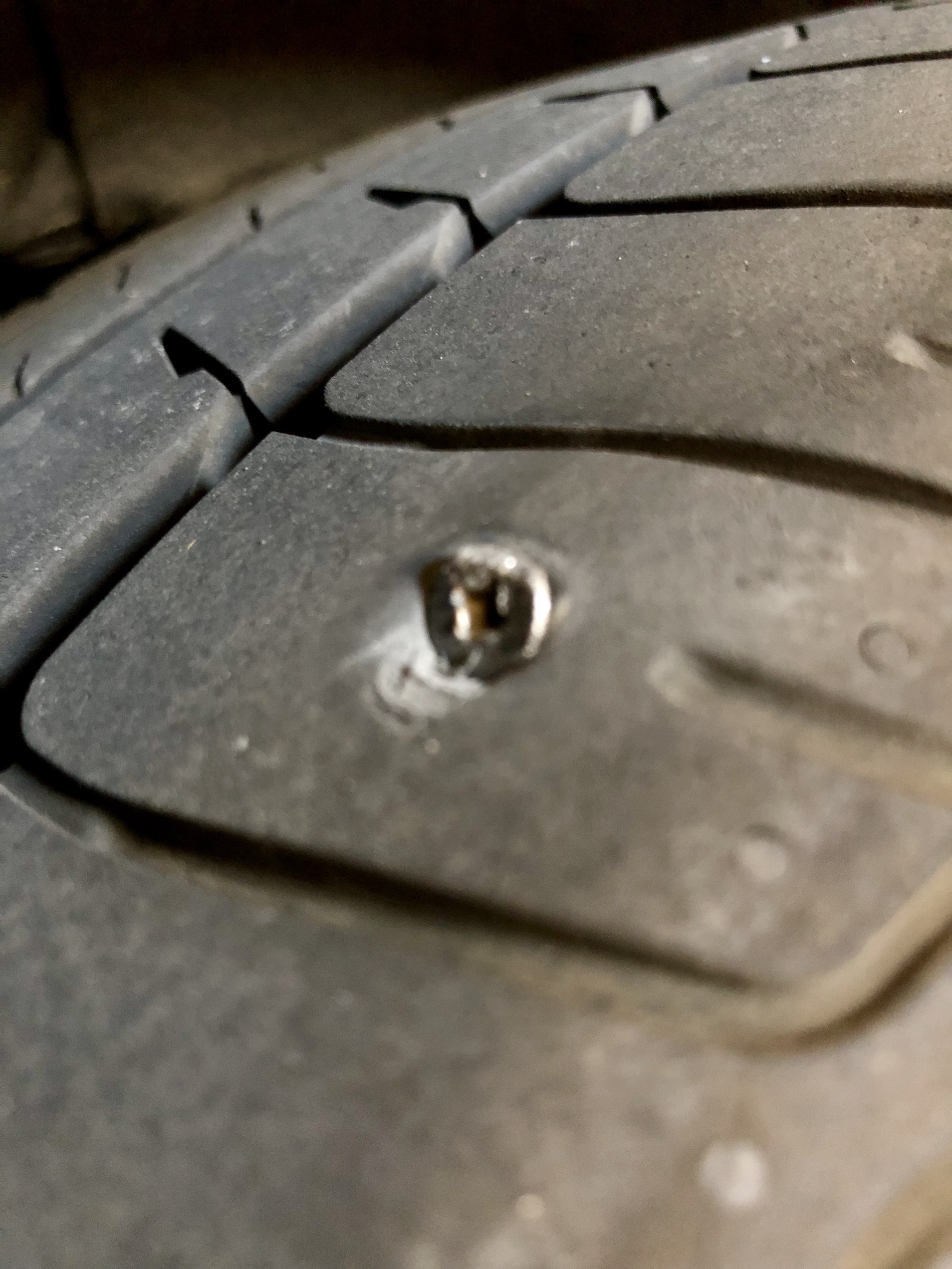
Check the location of the puncture. Sidewall damage usually cannot be patched. Only damage on the tread area is fixable. The size of the hole matters too. Small punctures, about 1/4 inch or less, can often be patched. Larger holes or tears mean the tire must be replaced. Inspect the tire closely to see if the internal structure is intact. If the tire looks weak or bent, do not patch it.
Bmw Manufacturer Guidelines
BMW recommends patching run flat tires only under strict conditions. The puncture must be in the tread area, not the sidewall. The damage size must not exceed BMW’s limits. Using a proper patch and plug method is crucial. BMW advises visiting an authorized dealer or tire specialist. They have the right tools and knowledge. Following these guidelines helps maintain your tire’s safety and your car’s warranty.
Credit: www.bmwblog.com
Steps To Patch A Run Flat Tire
Patching a run flat tire on a BMW requires a careful approach. These tires are different from regular ones. They have reinforced sidewalls that support the car even when air pressure is low. This means patching them is not always simple. Following the right steps ensures the repair is safe and effective. Here is a clear guide on how to patch a run flat tire.
Required Tools And Materials
Gather all necessary tools before starting. You will need a tire iron, a jack, and a tire patch kit. The patch kit usually contains rubber cement and a patch. A tire pressure gauge is also important to check air levels. Make sure you have a compressor or air pump. Gloves and safety glasses protect your hands and eyes.
Removing The Tire
First, park the car on a flat surface. Use the jack to lift the car safely. Remove the wheel with the tire iron by loosening the lug nuts. Take the tire off the rim carefully. This step may need professional help if you lack experience. Handle the tire gently to avoid damage to the sidewalls.
Applying The Patch
Locate the puncture on the tire. Clean the area around the hole thoroughly. Use sandpaper to roughen the surface for better adhesion. Apply rubber cement from the patch kit. Place the patch over the hole and press firmly. Allow the cement to dry as per instructions. This step is crucial for a secure seal.
Reinstalling And Testing
Put the tire back on the rim carefully. Reattach the wheel to the car and tighten the lug nuts. Lower the car from the jack slowly. Inflate the tire to the recommended pressure using the air pump. Use the tire pressure gauge to check the levels. Finally, inspect the patch for leaks by applying soapy water and watching for bubbles.
Risks And Limitations Of Patching
Patching a run-flat tire on a BMW is not always simple or safe. Run-flat tires have special designs that help you drive after a puncture. But patching these tires can cause problems. Knowing the risks and limits helps you make better choices.
Safety Concerns
Run-flat tires support the car without air. A patch may not hold well under this pressure. The tire could fail while driving. This can cause accidents or loss of control. A patched run-flat tire may not protect you in emergencies. Safety must be the top priority.
Impact On Tire Performance
Patching can weaken the tire’s structure. Run-flat tires need strong sidewalls. A patch may change how the tire handles heat and pressure. This can reduce the tire’s lifespan and performance. The ride might feel less smooth or stable. Patches can also affect fuel efficiency.
Alternatives To Patching
Run flat tires on BMWs offer safety by letting you drive after a puncture. Patching these tires is not always possible or safe. You need other solutions to keep your car moving and secure. Here are some common alternatives to patching run flat tires.
Tire Replacement Options
Replacing a damaged run flat tire is often the safest choice. You can buy a new tire that matches your BMW’s specifications. This ensures proper performance and safety. Used tires may be cheaper but check their condition carefully. Some shops offer tire repair kits, but these are not for long-term use. Always prioritize a tire that supports your car’s weight during a flat.
Using A Spare Or Temporary Tire
BMWs usually come with a spare tire or a temporary tire called a “donut.” These tires are smaller and meant for short distances only. They let you drive slowly to a repair shop. Temporary tires are not designed for long trips or high speeds. Check your car manual to find out how to use the spare tire correctly. Replace or repair the damaged tire as soon as possible after using the spare.
Expert Maintenance Tips For Run Flat Tires
Maintaining run flat tires on your BMW helps keep you safe and saves money. These tires need special care. Proper upkeep improves their performance and extends their life. Follow these expert tips to keep your run flat tires in top shape.
Regular Inspection
Check your tires often for cuts, cracks, or bumps. Look at the tread depth to see if it is wearing evenly. Uneven wear may signal alignment problems. Inspect the sidewalls carefully. Any damage here can be dangerous. Early detection helps prevent bigger issues.
Proper Inflation
Keep your tires inflated to the recommended pressure. Use a reliable gauge to check pressure monthly. Low pressure causes poor handling and faster tire wear. Overinflation leads to a harsh ride and uneven tread wear. Correct inflation ensures better fuel economy and safer driving.
Driving Habits To Extend Tire Life
Drive gently to protect your tires. Avoid hard braking and fast cornering. These actions stress the tires and cause damage. Steer clear of potholes and rough roads when possible. Smooth driving reduces tire wear and prevents sidewall damage. This helps your run flat tires last longer.

Credit: www.youtube.com
Frequently Asked Questions
Can You Repair A Run-flat Tire On A Bmw?
Yes, run-flat tires on a BMW can be repaired if the damage is minor and on the tread area. Sidewall damage usually means the tire must be replaced. Always have a professional inspect the tire before repairing.
How Long Can You Drive On A Run-flat Bmw Tire?
You can typically drive 50 miles at up to 50 mph on a run-flat BMW tire after a puncture. This allows you to reach a safe location or service center for repair or replacement.
Are Patched Run-flat Tires Safe For Bmws?
Patched run-flat tires are safe only if repaired properly and the damage is within repair guidelines. Improper repairs or ignoring sidewall damage can compromise safety and tire integrity.
What Causes Run-flat Tire Damage On A Bmw?
Common causes include road hazards like nails or sharp debris, potholes, and curb impacts. Run-flat tires are more sensitive to sidewall damage due to their reinforced structure.
Conclusion
Patching a run flat tire on a BMW is not always the best choice. These tires have special designs that can make repairs tricky. Sometimes, a patch might work for small damages. But often, replacing the tire keeps you safer on the road.
Always check your tire’s condition and follow the car manual’s advice. Taking care of your tires helps you avoid bigger problems later. Stay safe, and make smart decisions about your BMW’s run flat tires.
As an Amazon Associate, I earn from qualifying purchases.