If you own a Honda Civic or are thinking about getting one, you probably wonder what kind of gas it needs. Using the right fuel can save you money, keep your engine running smoothly, and avoid costly repairs.
But with so many options at the pump, it’s easy to get confused. You’ll discover exactly what type of gas your Honda Civic takes and why choosing the correct fuel matters more than you might think. Keep reading to make sure you’re giving your car the best care possible.
Recommended Fuel Types
The type of fuel you use in your Honda Civic affects its performance and engine life. Using the recommended fuel keeps the car running smoothly. It also helps save money on maintenance and repairs. Below are the common fuel types suited for most Honda Civic models.
Regular Unleaded Gasoline
Most Honda Civic models run well on regular unleaded gasoline. This fuel has an octane rating of 87, which meets the engine’s needs. It is affordable and widely available. Regular unleaded gasoline supports good fuel efficiency and engine health.
Midgrade And Premium Options
Some Civic models, especially those with turbocharged engines, may benefit from midgrade or premium gasoline. Midgrade has an octane rating of 89, while premium is usually 91 or higher. These fuels can improve performance and reduce engine knocking. Check your owner’s manual before choosing these options.
Ethanol-blended Fuels
Honda Civics can use ethanol-blended fuels like E10, which contains up to 10% ethanol. Ethanol blends help reduce emissions and are safe for the engine. Avoid fuels with higher ethanol levels unless your manual says they are compatible. Using the right blend protects your engine and fuel system.
Credit: www.reddit.com
Fuel Requirements By Model Year
Fuel needs vary by the Honda Civic’s model year. Different engines require different gas types. Using the right fuel helps your car run better and last longer.
Older models often have simpler engines. Newer models come with advanced technology. Some versions even include hybrid or turbocharged engines, changing fuel needs.
Older Honda Civic Models
Older Civics usually run well on regular unleaded gas. Most models before 2006 do not need premium fuel. Using regular gas keeps the engine healthy and saves money.
High-octane fuel offers no benefit for these older engines. Stick to the recommended fuel grade in the owner’s manual. This advice helps avoid engine knocking and saves repair costs.
Recent Model Variations
Recent Civics often recommend regular unleaded gas. Models from 2006 to 2020 mostly work fine with 87 octane fuel. Some sportier trims may suggest premium gas for best performance.
Using higher octane fuel in non-required models does not improve mileage. Following the fuel guide ensures smooth engine function and better efficiency.
Hybrid And Turbocharged Versions
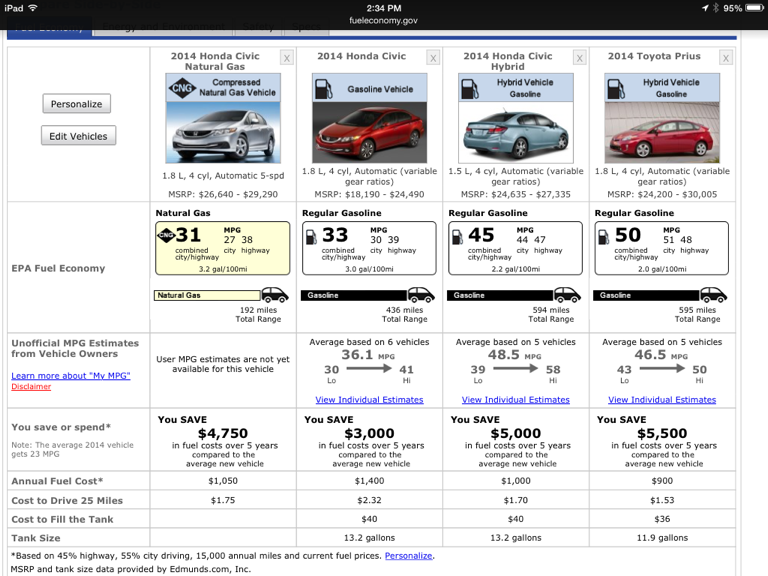
Hybrid Civics usually require regular unleaded gas. Their electric motor helps reduce fuel use and emissions. Turbocharged models need higher octane fuel, usually 91 or above.
Turbo engines run hotter and need better fuel to avoid knocking. Always check the owner’s manual for exact fuel needs. Proper fuel choice protects engine parts and improves performance.
Impact Of Using The Wrong Gas
Using the wrong gas in a Honda Civic can cause serious problems. Gasoline types differ in octane levels. The wrong type can hurt your car’s engine. It impacts how well your car runs and how long it lasts. Knowing the risks helps you avoid costly repairs and poor car performance.
Engine Performance Issues
Wrong gas can make the engine run rough. You may hear knocking or pinging sounds. The engine might lose power or hesitate. This happens because the fuel does not burn properly. The car struggles to maintain smooth driving.
Fuel Efficiency Concerns
Using incorrect gas lowers your fuel efficiency. Your car burns more fuel to go the same distance. This means you spend more money at the pump. The engine works harder, wasting fuel and energy.
Potential Engine Damage
Long-term use of wrong gas can damage your engine. It can cause overheating and internal wear. Vital parts like pistons and valves may fail. Repairing these damages costs a lot of money. Protect your Honda by choosing the right gas type.

Credit: www.youtube.com
Fuel Economy Tips For Honda Civic Owners
Fuel economy is a big concern for Honda Civic owners. Saving gas means spending less money and helping the environment. Small changes can make a big difference in how far your car goes on a tank. Here are some easy tips to get the best fuel efficiency from your Civic.
Choosing The Right Octane
Honda Civics usually run well on regular unleaded gasoline. This fuel has an octane rating of 87. Using higher octane fuel does not improve mileage or power for most Civics. It just costs more. Follow your owner’s manual for the right octane number. Stick to regular fuel unless your manual says otherwise.
Proper Maintenance Practices
Keeping your Civic in good shape helps save gas. Regular oil changes keep the engine running smoothly. Check tire pressure often. Low tires waste fuel. Replace air filters as needed to improve airflow. Worn spark plugs can lower fuel efficiency. Fix small problems before they get worse. A well-maintained Civic uses less fuel and runs better.
Driving Habits That Save Gas
Gentle driving saves fuel. Avoid quick starts and hard stops. Drive at steady speeds on highways. Use cruise control when possible. Idling wastes gas. Turn off your engine if you stop for more than a minute. Lighten your load by removing extra weight. Close windows at high speeds to reduce drag. These habits can improve your Civic’s mileage a lot.
Alternative Fuel Options
Honda Civics mainly run on regular gasoline, but there are alternative fuel options. These options can help reduce emissions and save money. Understanding these fuels can help you choose the right one for your car.
Biofuels Compatibility
Biofuels come from plants and other natural materials. Ethanol blends, like E10 and E15, are common in many areas. Most Honda Civics can use these blends without any problem. Using biofuels can lower pollution and support renewable energy.
Electric And Hybrid Fueling
Honda offers hybrid versions of the Civic. These cars use both gasoline and electricity. Hybrid Civics use less gas and produce fewer emissions. You recharge the battery by driving or plugging in at a charging station. This option saves fuel and reduces trips to the gas pump.
Future Fuel Technologies
New fuel technologies are developing fast. Hydrogen fuel cells and advanced biofuels show promise. Honda is researching these options for future models. These fuels aim to cut emissions even more. Keeping an eye on new tech can help you stay updated.
Credit: sites.uci.edu
Frequently Asked Questions
What Type Of Gas Is Best For A Honda Civic?
Honda Civics typically require regular unleaded gasoline with an octane rating of 87. Using the recommended fuel ensures optimal engine performance and efficiency. Premium gas is generally not necessary unless specified for certain models or trims.
Can I Use Premium Gas In My Honda Civic?
Yes, you can use premium gas, but it usually offers no added benefit. Most Honda Civics run efficiently on regular 87-octane fuel. Using premium gas may not improve performance or fuel economy for standard Civic engines.
What Happens If I Use The Wrong Gas In A Honda Civic?
Using lower octane fuel than recommended can cause engine knocking or reduced performance. Over time, this may harm your engine. Always follow the manufacturer’s fuel guidelines to keep your Honda Civic running smoothly and efficiently.
How Does Fuel Type Affect Honda Civic’s Fuel Economy?
Using the correct fuel type helps maintain optimal fuel economy. Regular unleaded gasoline keeps your engine running efficiently. Using premium fuel without need usually won’t improve mileage or performance and may increase fuel costs unnecessarily.
Conclusion
Choosing the right gas helps your Honda Civic run smoothly. Most models use regular unleaded gasoline with an octane rating of 87. Using higher octane fuel usually does not improve performance or save money. Avoid lower octane gas to prevent engine knocking.
Always check your owner’s manual for the exact fuel recommendation. Proper fuel keeps your engine healthy and efficient. Simple choices today can save you costly repairs later. Drive smart, fuel right.
As an Amazon Associate, I earn from qualifying purchases.