

Wondering how alimony is calculated and what factors affect the amount you might receive or pay? You’re not alone.
Understanding this process can feel confusing and overwhelming, but it doesn’t have to be. Knowing how courts decide alimony can give you clarity and help you prepare for what lies ahead. You’ll discover the key elements that influence alimony calculations, so you can approach your situation with confidence and avoid surprises.
Keep reading to uncover the simple truths behind alimony numbers and what they mean for you.
Factors Influencing Alimony
Alimony is not a fixed amount. Courts decide it by looking at many factors. These factors help make the support fair for both people. Understanding these can help you know what affects alimony.
Each case is different. The judge looks closely at each factor to decide the right amount and length of alimony.
Income And Financial Status
The income of both partners is key. The court checks how much money each person makes. It also looks at assets like savings and property. This helps to see who can pay and who needs support.
Length Of Marriage
How long the couple was married matters. Longer marriages often mean longer alimony. Short marriages may get little or no support. The court thinks about the time spent building a life together.
Standard Of Living During Marriage
The lifestyle the couple had is important. The court tries to keep both people living similarly after divorce. If one partner lived well, the support may reflect that. It aims to prevent a big drop in living quality.
Age And Health Considerations
Age affects alimony decisions. Older people may need more support. Health problems can also increase the need for help. The court looks at how age and health impact earning ability.
Contributions To Marriage
Both money and non-money contributions count. Taking care of the home or children is valued. Supporting a partner’s career is also important. These efforts can affect alimony amount and duration.

Credit: www.lafrancelaw.com
Types Of Alimony
Alimony comes in different forms based on the situation. Each type serves a unique purpose. Knowing these types helps understand how support is calculated and awarded. The court chooses the type that fits the case best.
Temporary Alimony
Temporary alimony supports a spouse during the divorce process. It lasts until the divorce is final. This helps cover living costs and bills. The amount is often lower than permanent support.
Rehabilitative Alimony
Rehabilitative alimony helps a spouse gain skills or education. It supports a return to work or self-sufficiency. Payments last until the spouse becomes financially independent. The court sets a clear end date.
Permanent Alimony
Permanent alimony pays long-term support after divorce. It suits cases where a spouse cannot work. This may be due to age or health. Payments continue until death or remarriage of the recipient.
Lump-sum Alimony
Lump-sum alimony is a one-time payment. It replaces ongoing monthly payments. This option offers a clean break from future support. The sum is agreed on or decided by the court.
State Laws And Guidelines
Alimony rules differ widely across states in the U.S. Each state has its own laws and guidelines. These rules shape how alimony is calculated and awarded. Understanding these state-specific details helps in grasping alimony better.
Variations By Jurisdiction
Each state sets unique standards for alimony. Some states use fixed formulas. Others consider factors like marriage length and income. Differences affect the amount and duration of payments. Knowing your state’s rules is key to understanding alimony outcomes.
Use Of Alimony Calculators
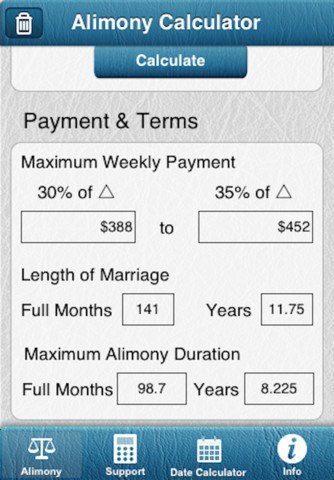
Many states offer online alimony calculators. These tools provide rough estimates based on state guidelines. They use inputs like income and marriage length. Calculators help set expectations but cannot replace legal advice. Court decisions may still vary from these estimates.
Judicial Discretion
Judges have the final say in alimony cases. They review facts and state laws before ruling. Judges can adjust amounts and payment periods. They consider needs, abilities, and fairness. This discretion allows flexibility but adds uncertainty to alimony outcomes.

Credit: www.hhzfamilylaw.com
Calculating Alimony Amounts
Calculating alimony amounts can be complex. Courts use several factors to decide the fair payment. Understanding these factors helps clarify the process. This section breaks down the main elements that affect alimony calculations.
Income-based Formulas
Most states use income-based formulas to set alimony. These formulas compare both spouses’ earnings. They consider gross income before taxes. The goal is to balance financial support fairly. Higher earners typically pay more to lower earners. The length of the marriage may also affect the formula.
Expense Considerations
Court also looks at each spouse’s expenses. Essential costs like housing, food, and healthcare matter. Child support payments can reduce alimony amounts. Personal debts and living expenses get reviewed too. The court aims to keep both parties financially stable.
Tax Implications
Taxes influence how much alimony is paid or received. Alimony payments are usually tax-deductible for the payer. Recipients must report alimony as taxable income. New tax laws may change these rules. Both parties should understand tax effects before agreeing.
Modifying And Ending Alimony
Alimony payments do not always stay the same. Changes in life or finances can lead to modifications. Courts allow adjustments to ensure fairness for both parties. Understanding how and when alimony changes helps in planning better.
Circumstances For Modification
Alimony can be modified if there is a significant change in income. Job loss, promotion, or a new job affects the amount. Health problems that limit work may also be a reason. Changes in living expenses can lead to adjustments. The court reviews all facts before deciding on changes.
Termination Conditions
Alimony usually ends if the recipient remarries. If the payer or recipient dies, payments stop. Some orders end after a set time or event. The court may end alimony if the recipient becomes self-supporting. It is important to follow legal rules for ending alimony.
Credit: www.lawnext.com
Common Challenges And Solutions
Calculating alimony can lead to many challenges. These issues often cause stress and confusion. Understanding common problems helps find effective solutions. This section covers key challenges and offers practical advice.
Enforcement Issues
Enforcement issues arise when alimony payments stop or delay. Courts may need to step in to enforce payments. Wage garnishment is a common tool to ensure payments. Sometimes, legal penalties apply if payments are missed. Keeping clear records helps prove non-payment. Regular communication can prevent misunderstandings.
Negotiation Tips
Negotiating alimony terms can feel tough. Stay calm and focus on fair solutions. Know your financial needs and the other party’s ability to pay. Use clear, simple language during talks. Consider mediation to help reach agreements. Write down all terms to avoid future disputes. Be open to compromise to save time and cost.
Legal Assistance
Legal help can guide you through complex alimony rules. Lawyers explain your rights and responsibilities clearly. They prepare documents and represent you in court if needed. Legal advice helps avoid costly mistakes. Choose a lawyer with family law experience. Early legal support often leads to smoother outcomes.
Frequently Asked Questions
How Is Alimony Amount Determined?
Alimony is determined by factors like marriage length, income, and living standards. Courts also consider each spouse’s financial needs and contributions.
What Factors Affect Alimony Calculation?
Courts consider income, earning capacity, marriage duration, and each spouse’s financial needs when calculating alimony. Health and age may also impact the decision.
Can Alimony Be Modified After Court Order?
Yes, alimony can be modified if there’s a significant change in income or financial needs. Both parties must request the court for modification.
Is Alimony Taxable Income?
Alimony payments are not taxable for recipients under current tax laws. Payors cannot deduct alimony payments from their taxable income.
Conclusion
Alimony calculation depends on many factors like income and needs. Courts look at each spouse’s financial situation carefully. The goal is to be fair for both parties. Payments can change if circumstances change. Understanding the basics helps in planning ahead.
Legal advice is often helpful during this process. Clear communication makes the process smoother. Remember, every case is unique and judged individually. Stay informed to handle alimony matters confidently.
As an Amazon Associate, I earn from qualifying purchases.
