

Are you curious about how property taxes are calculated in NJ and why your bill looks the way it does? Understanding this can help you take control of your expenses and avoid surprises each year.
You’ll discover the simple steps behind the numbers, what factors influence your tax amount, and how you can make sure you’re paying only what you owe. Keep reading to unlock the secrets of New Jersey property taxes and get the clarity you deserve.
Property Tax Basics In Nj
Understanding property tax basics in New Jersey helps homeowners manage their expenses. Property taxes fund local services like schools, police, and roads. Knowing how taxes work makes it easier to plan your budget and avoid surprises.
New Jersey has one of the highest property tax rates in the country. Each town sets its own tax rate based on its budget needs. Property values and local tax rates affect the final tax amount you pay.
What Are Property Taxes
Property taxes are money paid by property owners to local governments. These taxes support services such as schools, fire departments, and public works. The tax amount depends on your property’s value and the local tax rate.
The local government assesses your property’s value every few years. This value helps calculate how much tax you owe. Tax rates differ across towns and counties in New Jersey.
Who Pays Property Taxes
Anyone who owns real estate in New Jersey pays property taxes. This includes homeowners, landlords, and businesses. Even if you rent, your landlord includes these taxes in your rent.
Property taxes must be paid annually or in installments. Failing to pay can lead to penalties or liens on your property. Staying current on taxes protects your ownership rights.
Assessment Process
The assessment process is a key step in calculating property taxes in New Jersey. It helps determine the value of a property. This value is important because it affects how much tax a homeowner must pay. Understanding this process can make property taxes clearer and less confusing.
Role Of The Tax Assessor
The tax assessor is a local official. Their job is to evaluate properties in the area. They inspect homes and land to estimate value. The assessor ensures values are fair and up to date. They use rules set by the state and local government. This role is important to keep the tax system balanced.
How Property Value Is Determined
The property value is based on several factors. Location plays a big part. The size of the property also matters. Condition and age of the building affect value. Assessors compare similar homes nearby. They look at recent sales to set a fair price. This helps to find a value close to the market price.
Frequency Of Assessments
Assessments happen regularly to keep values current. Many towns reassess properties every year or every few years. Some may do it less often, like every five years. Property owners usually get a notice about the new value. This schedule helps keep taxes fair as market prices change.
Tax Rate And Levy
Understanding property taxes in New Jersey starts with two key terms: tax rate and tax levy. These numbers decide how much homeowners pay each year. They connect the value of your property to the money local governments need. Knowing how they work helps you understand your tax bill better.
Understanding The Tax Rate
The tax rate is a percentage set by local officials. It applies to the assessed value of your home. This rate shows how much tax you pay per $100 of your property’s value. For example, a rate of 2% means you pay $2 for every $100 worth of your home.
The rate changes each year based on budget needs. It varies from town to town across New Jersey. Some towns have higher rates because they need more money for schools and services.
How The Tax Levy Is Set
The tax levy is the total amount of money the town needs to collect. This money pays for public services like schools, police, and road repairs. Local officials decide the levy based on their yearly budget.
The levy includes funds from all property taxes in the area. It does not depend on one home but on all taxable properties. The tax rate adjusts to meet the levy amount required.
Factors Influencing Tax Rates
Several factors change the tax rate in New Jersey. One big factor is the budget needs of local governments. More spending means higher tax rates.
Another factor is property values. If home values go up, the tax rate can go down to keep the levy stable. Population changes and school funding needs also affect the rate.
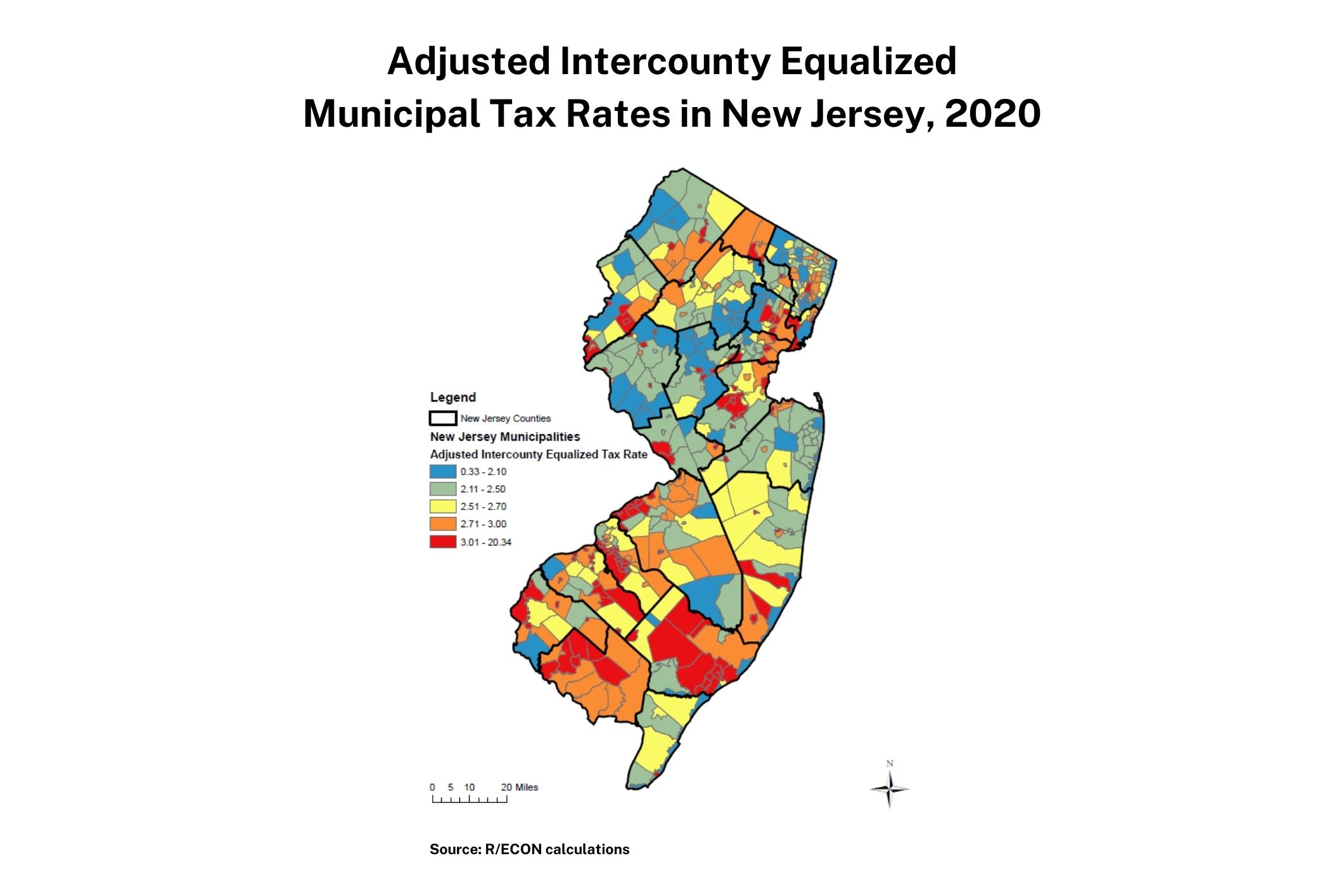
Credit: policylab.rutgers.edu
Calculating Your Property Tax
Calculating property tax in New Jersey involves a few clear steps. Understanding these steps helps homeowners know what to expect on their tax bills. The amount depends on the property’s value and the local tax rate. Each town sets its own tax rate, which affects the final cost.
Knowing how to calculate your property tax makes budgeting easier. It also helps spot any errors in your tax bill. Below, the formula and examples show how the calculation works in practice.
Formula For Calculation
The basic formula for property tax in New Jersey is:
Assessed Value × Tax Rate = Property Tax
The assessed value is the worth of your property, set by the local assessor. The tax rate is the amount charged per $100 of assessed value.
For example, if the tax rate is 2%, it means you pay $2 for every $100 of assessed value.
Examples Of Property Tax Calculation
Example 1: A house with an assessed value of $300,000 and a tax rate of 2.5%.
Calculation: $300,000 × 0.025 = $7,500 property tax.
Example 2: A condo assessed at $150,000 with a 3% tax rate.
Calculation: $150,000 × 0.03 = $4,500 property tax.
These examples show how different values and rates affect your tax bill.
Exemptions And Credits
Exemptions and credits can lower the amount you pay in property taxes in New Jersey. These benefits reduce your taxable property value or give direct tax relief. Knowing about exemptions and credits helps you save money each year.
Common Exemptions In Nj
New Jersey offers several exemptions for property owners. The Homestead Benefit lowers taxes for homeowners who live in their property. Senior citizens may get the Senior Freeze, which stops tax increases on their homes.
Veterans with disabilities can apply for a disabled veteran exemption. Disabled persons may also qualify for special property tax relief. These exemptions lower the taxable value of your home, cutting your tax bill.
Applying For Property Tax Credits
Property tax credits provide direct savings on your tax bill. The New Jersey Property Tax Credit is available to residents who meet income rules. Filing a claim with the state can secure this credit for you.
Keep your records ready, such as proof of income and residency. Submit your application by the deadline to avoid losing the credit. Check local tax offices or the state website for details.

Credit: www.longhillnj.gov
Appealing Your Assessment
Property tax assessments in New Jersey can sometimes feel incorrect. The good news is you can appeal your assessment. This process helps ensure you pay a fair amount of property tax.
Appealing your assessment means asking the local tax board to review your property value. If the board agrees your property is overvalued, your taxes may go down. Knowing when and how to appeal is important.
When To Appeal
Check your property tax bill and assessment notice each year. Appeal if you believe the assessed value is too high. Compare your home’s value to similar homes nearby.
Appeal early. Deadlines vary by town but usually fall in the spring. Missing the deadline means waiting another year to appeal.
Appeal Process Steps
First, gather evidence. Use recent home sales, appraisals, or photos showing issues. This proof supports your claim.
Next, file a formal appeal with your local tax assessor’s office. Fill out required forms clearly and completely.
Attend a hearing if scheduled. Speak politely and present your evidence. Answer questions honestly.
After the hearing, wait for the board’s decision. They may lower your assessment or keep it the same.
Impact Of Property Taxes
Property taxes in New Jersey affect many aspects of life. They impact homeowners directly and shape the real estate market. Understanding these effects helps residents plan better. Property taxes fund schools, roads, and public services. This makes them an important part of community life.
Effect On Homeowners
Property taxes add to the cost of owning a home. Homeowners pay taxes based on their home’s value. Higher taxes can increase monthly expenses. This may affect budgets and savings. Some may delay home improvements or other spending. Taxes also influence decisions to buy or sell. Knowing tax amounts helps homeowners plan their finances.
Influence On Real Estate Market
Property taxes affect home prices and market activity. High taxes can lower demand for homes. Buyers may look for areas with lower taxes. Sellers might reduce prices to attract buyers. This can slow down the market in some towns. Tax rates also guide where developers build new homes. Overall, taxes play a key role in real estate trends.
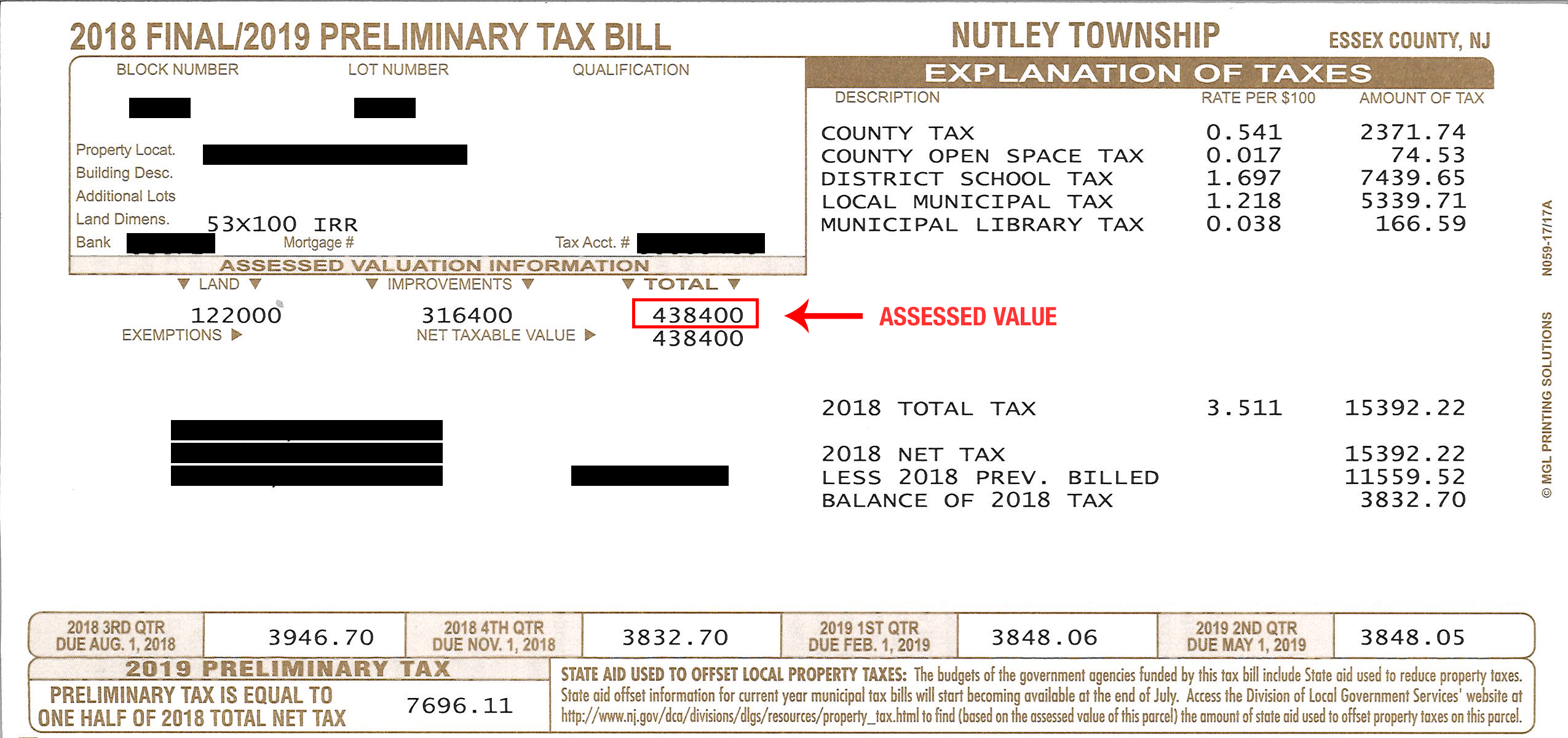
Credit: www.nutleynj.org
Frequently Asked Questions
How Is Property Value Assessed For Taxes In Nj?
In New Jersey, property value is assessed by local tax assessors every few years. They estimate market value using recent sales data and property characteristics. This assessed value determines your property tax base.
What Is The Property Tax Rate In New Jersey?
The property tax rate varies by municipality and school district. It’s expressed as a percentage or millage rate applied to your assessed property value. Rates differ widely across the state.
Are There Exemptions To Reduce Property Taxes In Nj?
Yes, New Jersey offers exemptions like senior citizen, veteran, and disabled homeowner relief. These reduce taxable value, lowering your property tax bill if you qualify.
How Often Are Property Taxes Billed In New Jersey?
Property taxes in NJ are typically billed quarterly. You receive bills four times a year, each covering a portion of your annual tax obligation.
Conclusion
Understanding how property taxes are calculated in New Jersey helps you plan better. Taxes depend on your home’s value and local tax rates. Knowing this helps avoid surprises in bills. Keep track of any changes in property assessments. Check local tax rates regularly too.
Staying informed lets you manage your budget wisely. Property taxes support community services you use every day. Stay aware and stay prepared.
As an Amazon Associate, I earn from qualifying purchases.
