

Have you ever wondered if thermal printers can print in color? If you’re looking to add vibrant hues to your labels, receipts, or tags without switching to bulky or expensive machines, this question matters to you.
Thermal printers are known for speed and efficiency, but can they deliver the bright, eye-catching colors you need? You’ll discover the truth about color thermal printing, the options available, and how to choose the right printer for your needs. Keep reading to find out how you can bring color to your thermal prints without hassle.
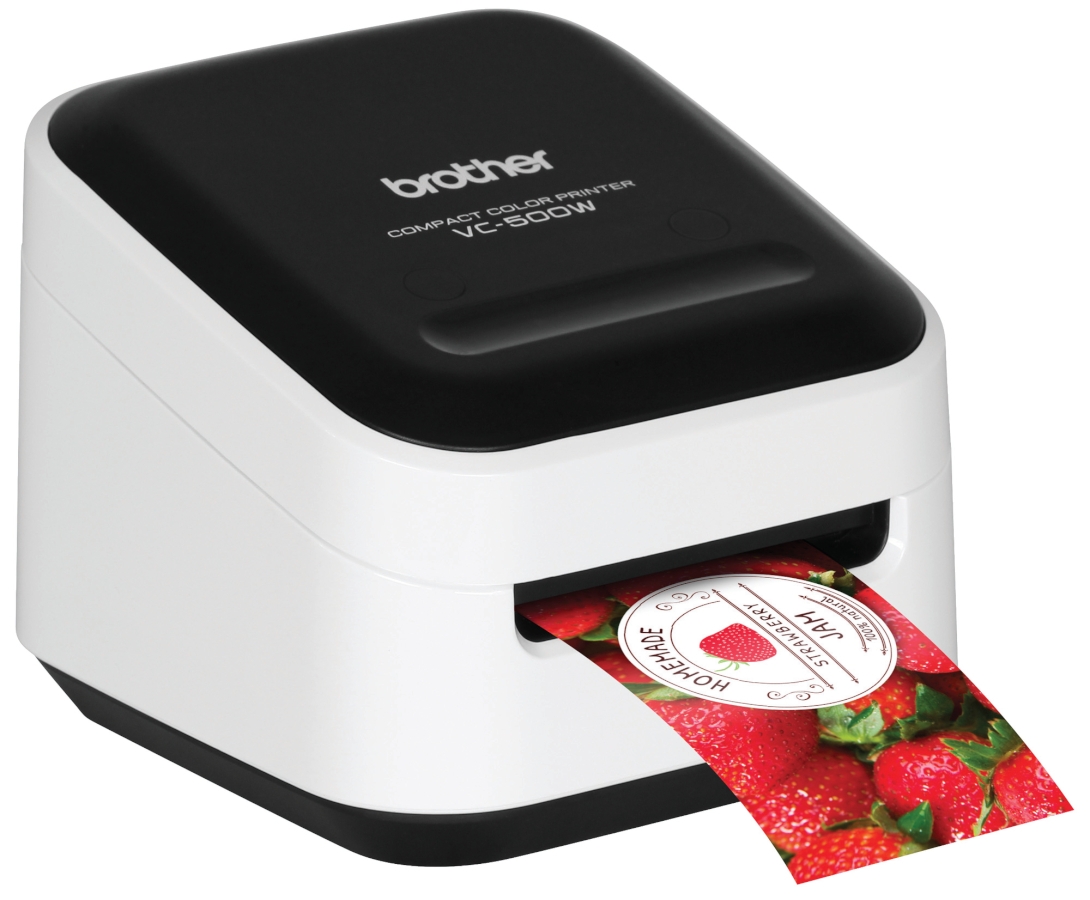
Credit: www.packagingdigest.com
Color Thermal Printing Basics
Color thermal printing uses heat to create images with multiple colors. This method is different from traditional ink-based printing. It offers a clean and fast way to print colorful labels and receipts. Understanding the basics helps to see if this technology fits your needs.
Color thermal printers are less common than black-and-white models. They use special paper and technology to produce color images. These printers work best for short runs and small labels. They provide bright colors without ink cartridges or ribbons.
How Thermal Printers Work
Thermal printers use heat to print images on paper. They have a print head that heats up selectively. The heat changes the color of the thermal paper. In direct thermal printing, the paper is heat-sensitive. In thermal transfer printing, heat melts ink from a ribbon onto the paper.
Color thermal printers use special paper with layers that react to heat. The print head heats different layers to create colors. This process is precise and fast. It does not require ink or toner.
Difference Between Monochrome And Color Printing
Monochrome thermal printers print in black or one color. They use simple heat-sensitive paper or a single ribbon. These printers are common for receipts and barcodes.
Color thermal printers use multi-layered paper or special ribbons. They apply heat to different layers to produce colors. This allows printing in red, blue, yellow, and black. Color printing is more complex and costs more than monochrome printing.
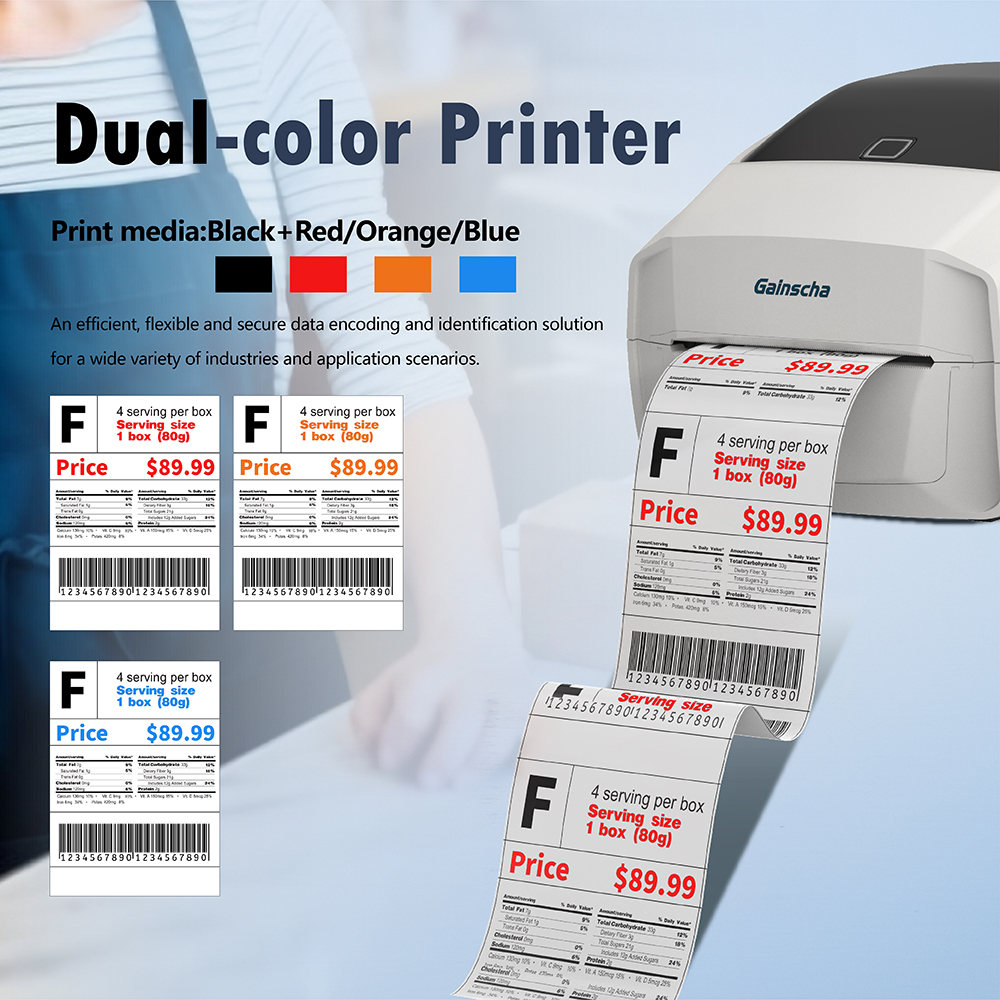
Credit: www.gainscha.com.tw
Types Of Color Thermal Printers
Color thermal printers use heat to create images on paper. They differ in how they apply color and the materials they use. Understanding these types helps choose the right printer for your needs.
Two main types of color thermal printers exist. Each has unique features and uses. The first is direct thermal versus thermal transfer. The second is dye-sublimation thermal printers.
Direct Thermal Vs. Thermal Transfer
Direct thermal printers use heat on special paper. This paper changes color when heated. These printers do not use ink or ribbons. They are simple and fast but have some limits.
Thermal transfer printers use a ribbon coated with ink. Heat melts the ink from the ribbon onto the paper. This method works on many materials. It produces longer-lasting images than direct thermal.
Direct thermal is cheaper but less durable. Thermal transfer costs more but gives better print quality. Both can print color, but thermal transfer is better for rich colors.
Dye-sublimation Thermal Printers
Dye-sublimation printers use heat to turn solid dye into gas. The gas sticks to the paper or fabric, creating smooth colors. This method produces bright and sharp images.
These printers are popular for photo printing and ID cards. They handle color gradients and blends well. The prints resist fading and water damage.
Dye-sublimation printers cost more but deliver high-quality color prints. They work best for projects needing vivid and detailed images.
Top Color Thermal Printer Models
Color thermal printers offer a unique way to print vibrant images and labels quickly. These printers use heat to transfer colors onto paper or other materials. They are popular in businesses and creative projects. Choosing the right model depends on what you need to print. Below are some top color thermal printer models for different uses.
Best For Photo Printing
The Canon SELPHY CP1500 is a top choice for photo printing. It produces bright and clear color photos. The prints dry fast and resist smudging. Compact design makes it easy to carry. It works well for personal or event photos. The printer connects via Wi-Fi, allowing easy printing from phones.
Best For Labels And Tags
The Epson ColorWorks C3500 stands out for labels and tags. It prints sharp, colorful labels that last. Ideal for small businesses needing barcode or product labels. This printer uses pigment ink, which is water-resistant. It supports different label sizes and types. Setup is simple, and it runs quietly.
Best Budget Options
The MUNBYN Thermal Label Printer offers good color printing at a low price. It suits small-scale label printing needs. Easy to use and set up for beginners. Prints bright colors on various label papers. A cost-effective choice for basic color thermal printing tasks.
Credit: www.lexicontech.com
Key Features To Consider
Choosing a thermal printer that prints in color needs careful thought. Key features affect the final output and your experience. Focus on print quality, speed, and what types of media the printer can use. Each feature plays a big role in meeting your printing needs.
Print Quality And Resolution
Print quality defines how clear and sharp your images appear. Higher resolution means better detail in colors. Look for printers with at least 300 dpi for good color prints. Low resolution can make prints look blurry or dull. Color accuracy is also important to get true shades and tones.
Speed And Efficiency
Speed shows how fast the printer can produce color prints. Faster printers save time, especially in busy settings. Check the pages per minute (PPM) rating before buying. Efficiency means less waste and lower running costs. Choose a printer that balances speed with quality.
Media Compatibility
Media compatibility means what types of paper or labels the printer supports. Some thermal printers work only with special thermal paper. Others can print on different surfaces like plastic or fabric. Make sure the printer matches the media you plan to use. This avoids extra costs or poor print results.
Pros And Cons Of Color Thermal Printers
Color thermal printers offer a unique blend of technology and convenience. They print images and text in color using heat-sensitive paper. This section explores their pros and cons to help you decide if they fit your needs.
Advantages Over Other Printers
Color thermal printers are fast and quiet. They do not need ink or toner cartridges. This reduces ongoing costs and maintenance. Their compact size makes them ideal for small spaces. They produce vibrant colors on special thermal paper. This makes them great for labels, tickets, and photos. Many models use less power than traditional printers. They also work well in harsh environments without dust or dirt issues.
Limitations And Challenges
Color thermal printers require special thermal paper, which can be expensive. The print quality is not as high as inkjet or laser printers. Colors may fade over time, especially in sunlight. They have limited color range and cannot produce true photographic prints. These printers are not suitable for heavy-duty office tasks. The cost of color thermal printers is higher than black-and-white models. Some users find the paper sensitivity tricky to handle.
Maintenance And Cost Factors
Thermal printers that print in color have unique maintenance and cost needs. Understanding these factors helps keep the printer working well. It also controls how much money you spend on upkeep.
Color thermal printers use special materials. These materials affect how often you replace parts and supplies. Regular care keeps the printer in good shape and lowers repair costs.
Consumables And Replacement Costs
Color thermal printers need color ribbons or color thermal paper. These consumables cost more than black-and-white supplies. The price varies by brand and quality.
Replace ribbons or paper often to avoid poor print quality. Printer parts like print heads also wear out. These parts cost money but last longer with proper care.
Routine Care Tips
Clean the print head regularly to stop clogs. Use a soft cloth or special cleaning cards. Avoid dust and dirt near the printer to protect its parts.
Keep the printer in a dry, cool place. Overheating can damage internal parts. Turn off the printer when not in use to save energy and reduce wear.
Future Trends In Color Thermal Printing
Color thermal printing is slowly changing. New technologies aim to improve print quality and speed. Small and affordable color thermal printers could become common soon. This will make color printing easier for many users.
Color thermal printers will not only look better but also work faster. They will use new inks and papers to create brighter and sharper images. These changes will help businesses and individuals use color printing in fresh ways.
Technological Innovations
New print heads will allow more precise color placement. This means images will have more detail and less blur. Advances in ink formulas will increase color range and durability. Printers will become smaller and use less power. This makes them more portable and eco-friendly.
Software improvements will help control colors better. Users can customize prints easily without complex steps. Wireless and cloud printing will become standard features. This will make printing from phones and tablets simpler.
Emerging Applications
Color thermal printers will expand into new areas. Retail stores will use them for colorful price tags and labels. Healthcare may use them for quick, detailed reports with color codes. Schools can print colorful learning materials on demand.
Artists and hobbyists will find new ways to create with color thermal prints. Event organizers may use them for badges and tickets with unique designs. The rise in small businesses needing custom color prints will boost demand.
Frequently Asked Questions
Can Thermal Printers Print In Full Color?
Yes, some thermal printers can print in full color using specialized thermal transfer technology. These printers use color ribbons to produce vibrant images. However, color thermal printers are less common and usually more expensive than monochrome models.
What Types Of Thermal Printers Print Color Labels?
Thermal transfer printers with color ribbons print color labels. They use heat to transfer colored ink from the ribbon onto the label. Direct thermal printers, by contrast, typically print only in black and white.
Are Color Thermal Printers Suitable For Photo Printing?
Color thermal printers are not ideal for high-quality photo printing. They are better suited for labels, tags, and receipts. For detailed photos, inkjet or laser printers provide superior color accuracy and resolution.
How Expensive Are Color Thermal Printers Compared To Black And White?
Color thermal printers are generally more expensive due to complex ribbon technology. They also have higher maintenance costs because of the color ribbons. Black and white thermal printers remain more affordable and popular for standard labeling needs.
Conclusion
Color thermal printers do exist, but they are less common than black-and-white models. They use special technology and paper to produce color prints. These printers work best for small images or labels, not high-quality photos. If you need simple color printing for business or personal use, they can be a good choice.
Understanding their limits helps you pick the right printer. Choose based on what you really need: speed, color, or cost. This way, you get the best results without wasting money.
As an Amazon Associate, I earn from qualifying purchases.
