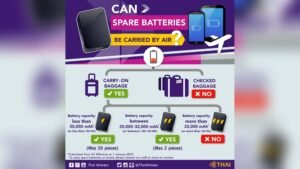
Are you planning to travel soon and wondering if you can bring your power bank on a plane? You’re not alone.
Many travelers worry about whether their portable chargers are allowed in carry-on bags or checked luggage. The rules can seem confusing, and the last thing you want is to have your device taken away at security. You’ll discover exactly what you need to know to keep your power bank with you—and your devices charged—throughout your flight.
Keep reading to avoid surprises at the airport and travel smarter.
Power Bank Basics
Power banks have become a common travel companion for many. They keep devices charged and ready. Understanding their basics helps when traveling by air.
Knowing what a power bank is and why to carry one makes travel easier. Let’s explore the essentials about power banks.
What Is A Power Bank?
A power bank is a portable device that stores electrical energy. It charges phones, tablets, and other gadgets on the go. The device has a battery inside and USB ports to connect your gadgets. It does not need a power outlet to work.
Most power banks vary in size and capacity. Capacity is measured in milliampere-hours (mAh). The higher the mAh, the longer it can charge your device.
Why Carry One While Traveling?
Travel often means long hours without charging options. Airports and planes may have limited or no power outlets. A power bank ensures your devices stay charged.
It helps keep communication open and navigation tools active. It also powers entertainment devices during flights or layovers. Carrying a power bank means less worry about battery life.
Airline Regulations
Airline regulations on power banks aim to keep passengers safe. These rules control the size and type of power banks allowed on planes. Airlines follow guidelines set by aviation authorities worldwide. Knowing these rules helps avoid problems at the airport.
General Rules For Power Banks
Most airlines allow power banks in carry-on bags only. Power banks must have a capacity below 100Wh to be accepted easily. Devices between 100Wh and 160Wh need airline approval. Power banks over 160Wh are usually banned on flights. Passengers must carry power banks, not check them in luggage. This reduces fire risks during the flight.
Variations Among Airlines
Each airline may have its own rules for power banks. Some allow larger batteries with special permission. Others have stricter limits on size and quantity. Airlines in different countries may follow different safety standards. Check your airline’s website before you travel. This helps avoid surprises at security checks.
Size And Capacity Limits
Power banks are handy for charging devices on the go. Airlines set rules on their size and capacity. These rules keep flights safe and avoid problems. Understanding size and capacity limits helps travelers pack smartly. Here is what you need to know.
Watt-hour (wh) Restrictions
Watt-hour, or Wh, measures battery energy. Airlines use Wh to limit power bank size. Most airlines allow power banks under 100 Wh without approval. Power banks between 100 Wh and 160 Wh need airline permission. Power banks above 160 Wh usually cannot be carried on planes. Check your power bank’s Wh rating before flying.
Common Capacity Thresholds
Battery capacity shows how much charge a power bank holds. It is measured in milliamp-hours or mAh. Common limits include 20,000 mAh or 100 Wh for carry-on luggage. Smaller power banks under 10,000 mAh face fewer restrictions. Larger power banks often require airline approval. Know your power bank’s capacity to avoid surprises at the airport.
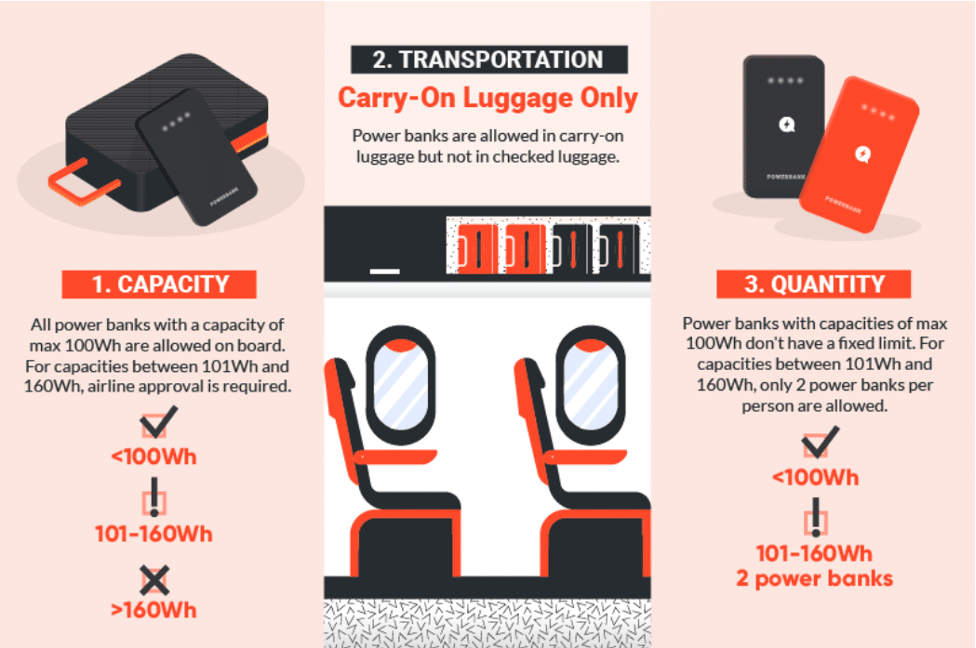
Credit: www.evgreat.com
Packing And Carrying Tips
Packing a power bank for air travel needs care. Safety rules and airline policies guide how to carry it. Knowing the best way to pack keeps your device safe and avoids trouble at security checks.
Carry-on Vs Checked Luggage
Power banks must go in carry-on bags, not checked luggage. Airlines ban batteries in checked bags due to fire risks. Carrying it with you helps staff check it quickly. Keep it in your hand luggage to avoid damage or loss.
Protecting Your Power Bank
Wrap your power bank in a soft case or cloth. This stops scratches and breaks during travel. Avoid putting it near heavy items that could press on it. Turn off the power bank before packing to save battery. Keep cables and chargers in one place for easy access.
Security Screening
Security screening is an important step before boarding a plane. It ensures safety for all passengers and crew. Power banks are common travel items, but they need special attention at security checkpoints.
Knowing what to expect during screening can help avoid delays. Proper preparation makes the process smoother and faster.
What To Expect At The Airport
At security, officers ask you to place your carry-on items on the conveyor belt. Power banks usually go through the X-ray machine with your bag. Officers may ask to inspect your power bank separately. They check its size and battery capacity carefully. Power banks over a certain limit may not be allowed. Expect questions about the power bank’s specifications. Stay calm and answer clearly.
Preparing For Inspections
Keep your power bank easily accessible in your carry-on bag. Do not pack it in checked luggage. Check the battery capacity before travel; it should be under airline limits. Carry the original packaging or manual if possible. Remove any phone or device connected to the power bank. This helps speed up the inspection. Being ready shows you follow the rules. It reduces stress at the security line.
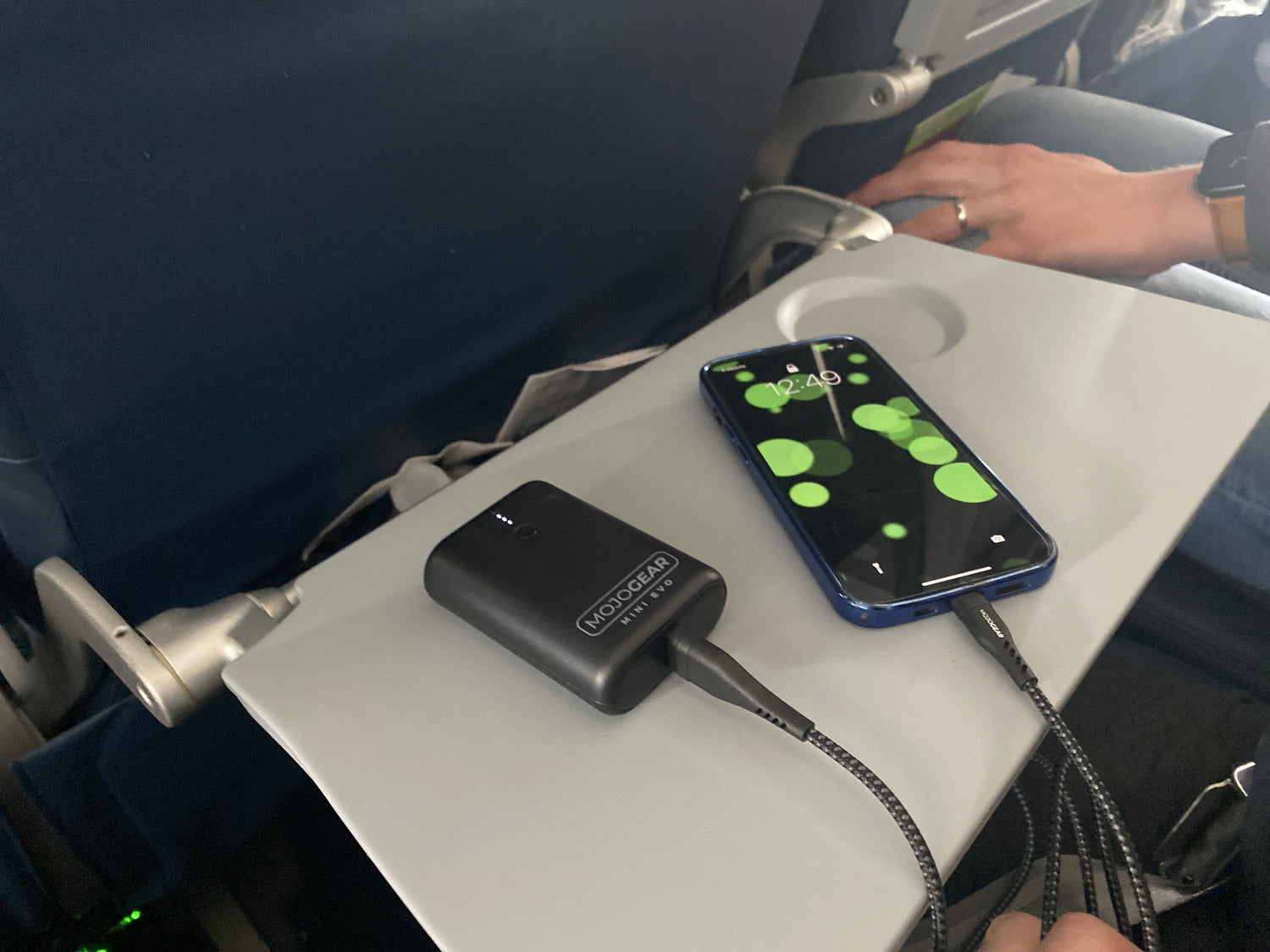
Credit: mojogear.eu
International Travel Considerations
Carrying a power bank on an international flight requires careful planning. Different countries have unique rules for batteries. Airlines and airports enforce these rules strictly. Understanding these differences helps avoid delays or confiscations.
Differences In Global Regulations
Each country sets its own rules for power banks on planes. Some allow larger batteries, others have strict limits. Airlines may restrict battery capacity or quantity. Check the watt-hour (Wh) rating on your power bank. Most countries allow power banks under 100 Wh without approval. Batteries between 100 Wh and 160 Wh usually need airline permission. Over 160 Wh is often banned on passenger planes.
Rules also differ for carry-on and checked luggage. Many places forbid power banks in checked bags. Carry them only in your hand luggage. Research your destination and airline policies before packing.
Customs And Security Checks
Security officers inspect power banks carefully. They may ask about battery size and condition. Some countries require you to declare power banks at customs. Larger batteries might trigger extra checks or paperwork. Always keep power banks accessible in your carry-on. Avoid damage or short circuits during the flight. Using a protective case is a smart choice.
Failing to follow rules can lead to confiscation or fines. Prepare documents or proof of battery capacity if needed. Being ready speeds up security checks and makes travel smoother.
Safety Precautions
Carrying a power bank on a plane requires careful attention to safety. Airlines and security agencies set rules to avoid accidents. Understanding basic safety tips helps keep you and others safe during travel. Follow these steps to protect your device and prevent hazards.
Avoiding Overheating And Damage
Power banks can heat up if used too much or kept in hot places. Avoid charging your device and power bank at the same time. Keep the power bank away from direct sunlight or heat sources. Store it in a cool, dry place during your flight. Use only the charger that came with your power bank. Do not carry damaged power banks as they might catch fire.
Handling Power Bank Malfunctions
If your power bank shows signs of swelling, smoke, or strange smells, stop using it immediately. Inform the airline staff about the problem. Do not try to open or fix the power bank yourself. Keep malfunctioning power banks away from flammable materials. It is safer to replace a faulty power bank than to risk using it.
Credit: support.joolca.com
Alternatives To Power Banks
Power banks are popular for charging devices on the go. Sometimes, you cannot bring them on a plane due to airline rules. It helps to know other ways to keep your devices charged during travel. These alternatives can be safe, practical, and easy to use.
Portable Solar Chargers
Solar chargers use sunlight to power your devices. They are small and light, easy to carry in your bag. No need for electricity or batteries. Just place them under the sun to start charging.
Great for outdoor trips or long waits at the airport. They work well during the day but need sunlight to function. A good option if you want to avoid power banks.
In-flight Charging Options
Many airplanes offer charging ports in seats. USB ports or power outlets allow device charging during the flight. Check with your airline before flying to confirm availability.
Bring your charging cable to use these ports. This method saves battery without carrying extra devices. Always keep your device on airplane mode while charging.
Frequently Asked Questions
Can I Carry A Power Bank In My Carry-on Luggage?
Yes, you can carry a power bank in your carry-on luggage. Airlines usually allow power banks with a capacity under 100Wh. Always check the airline’s specific rules before flying to avoid any issues at security.
Are Power Banks Allowed In Checked Baggage?
No, power banks are generally not allowed in checked baggage. Most airlines require power banks to be carried only in carry-on bags for safety reasons. This helps prevent fire hazards during the flight.
What Is The Maximum Power Bank Capacity Allowed On Planes?
The maximum capacity allowed is typically 100Wh without airline approval. Power banks between 100Wh and 160Wh need airline approval. Devices over 160Wh are usually prohibited on flights.
Do I Need To Declare My Power Bank At Security?
Yes, you should declare your power bank at security checkpoints. This ensures smooth inspection and avoids delays. Always follow TSA or airport security guidelines regarding electronic devices.
Conclusion
Carrying a power bank on a plane is usually allowed. Airlines set rules to keep flights safe. You must follow battery size limits and pack it in carry-on luggage. Always check your airline’s website before traveling. This helps avoid problems at security.
Power banks keep your devices charged on long trips. Being prepared makes your travel smooth and stress-free. Keep your power bank handy and enjoy your flight. Safe travels!
As an Amazon Associate, I earn from qualifying purchases.