Want to create your own phone case that stands out and shows your unique style? Making phone cases yourself is easier than you think, and it lets you design something truly personal.
Imagine having a case that fits your personality perfectly and protects your phone at the same time. You’ll discover simple steps and clever tips to craft your own phone case from scratch. Ready to turn your ideas into a cool, custom phone accessory?
Keep reading to learn how!
Materials Needed
Making your own phone case is fun and simple. You only need a few materials to start. These materials help protect your phone and let you show your style. Gather them before you begin to save time and work smoothly.
Basic Supplies
Start with a plain phone case. Silicone or plastic cases work best. You also need strong glue to attach decorations. Scissors help cut materials to the right size. A ruler or tape measure keeps things accurate. Use a pencil to mark spots for decoration.
Optional Decorative Items
Decorate your case with stickers or washi tape. Small beads and rhinestones add sparkle. Paints and markers create custom designs. Fabric scraps or ribbons give a soft touch. Use clear sealant to protect your decoration. These extras make your phone case unique and personal.

Credit: www.liftingitalia.com
Choosing The Right Case Base
Choosing the right case base is the first step in making a phone case. The base affects the phone’s protection, look, and feel. Picking the right material helps the case last longer and work better. It also makes decorating easier. Two common choices are silicone and plastic. Both have their own benefits and uses.
Silicone Vs Plastic
Silicone cases are soft and flexible. They fit the phone snugly and absorb shocks well. Silicone feels smooth and offers a good grip. It resists scratches and small drops.
Plastic cases are hard and rigid. They protect the phone from bigger impacts. Plastic holds its shape and looks sleek. It is easy to print designs on plastic surfaces.
Silicone is better for shock protection. Plastic is good for style and firmness. Choose based on how much protection or style you want.
Clear Vs Colored Cases
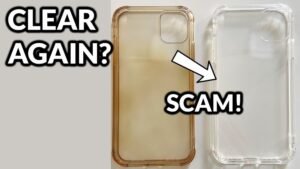
Clear cases show the phone’s original design. They keep the phone’s look visible. Clear bases are usually made from plastic or TPU. They offer moderate protection and let your phone shine.
Colored cases come in many shades and styles. They hide scratches better and add personality. Colored bases can be silicone or plastic. They allow for creative designs and vibrant looks.
Clear cases suit those who like a simple style. Colored cases fit users who want bold or fun cases.
Simple Painting Techniques
Simple painting techniques make phone case decorating easy and fun. Anyone can try them at home. These methods do not need special skills or expensive tools. You can create unique designs that show your style. Just a little practice and creativity will do.
Using Acrylic Paints
Acrylic paints are perfect for phone cases. They dry fast and stick well on plastic or silicone. Use small brushes for detail work. Paint thin layers to avoid clumps. Let each layer dry before adding another. This way, colors stay bright and clear. Seal the paint with a clear coat for protection. It helps the design last longer without scratches.
Stencils And Patterns
Stencils help make neat and repeatable designs. You can buy ready-made stencils or make your own. Place the stencil on the case and hold it tight. Use a sponge or brush to apply paint over it. Remove the stencil carefully to see the shape. Patterns like dots, stripes, or shapes look great. They make your phone case look stylish and clean. Experiment with colors to create your favorite look.
Decoupage Designs
Decoupage designs give phone cases a unique and artistic look. This craft uses paper cutouts glued onto the case. It allows you to create custom patterns and images easily. The process is simple and fun, perfect for personalizing your phone.
Selecting Paper And Images
Choose thin paper for smooth application. Napkins, tissue paper, and magazine cutouts work well. Pick images that match your style and phone size. Avoid thick or heavy paper to prevent lumps. Trim edges carefully for a neat finish. Test the paper on a small area before starting.
Sealing For Durability
Use a clear sealer to protect the design. Mod Podge or clear acrylic spray works best. Apply thin, even layers to avoid bubbles. Let each layer dry fully before adding the next. This step keeps your design safe from water and scratches. Proper sealing makes your phone case last longer.
Adding Texture And Embellishments
Adding texture and embellishments can make your phone case stand out. It gives a unique look and a personal touch. Simple materials can turn a plain case into a stylish accessory. Feel the difference and see the new style you create.
Using Fabric And Lace
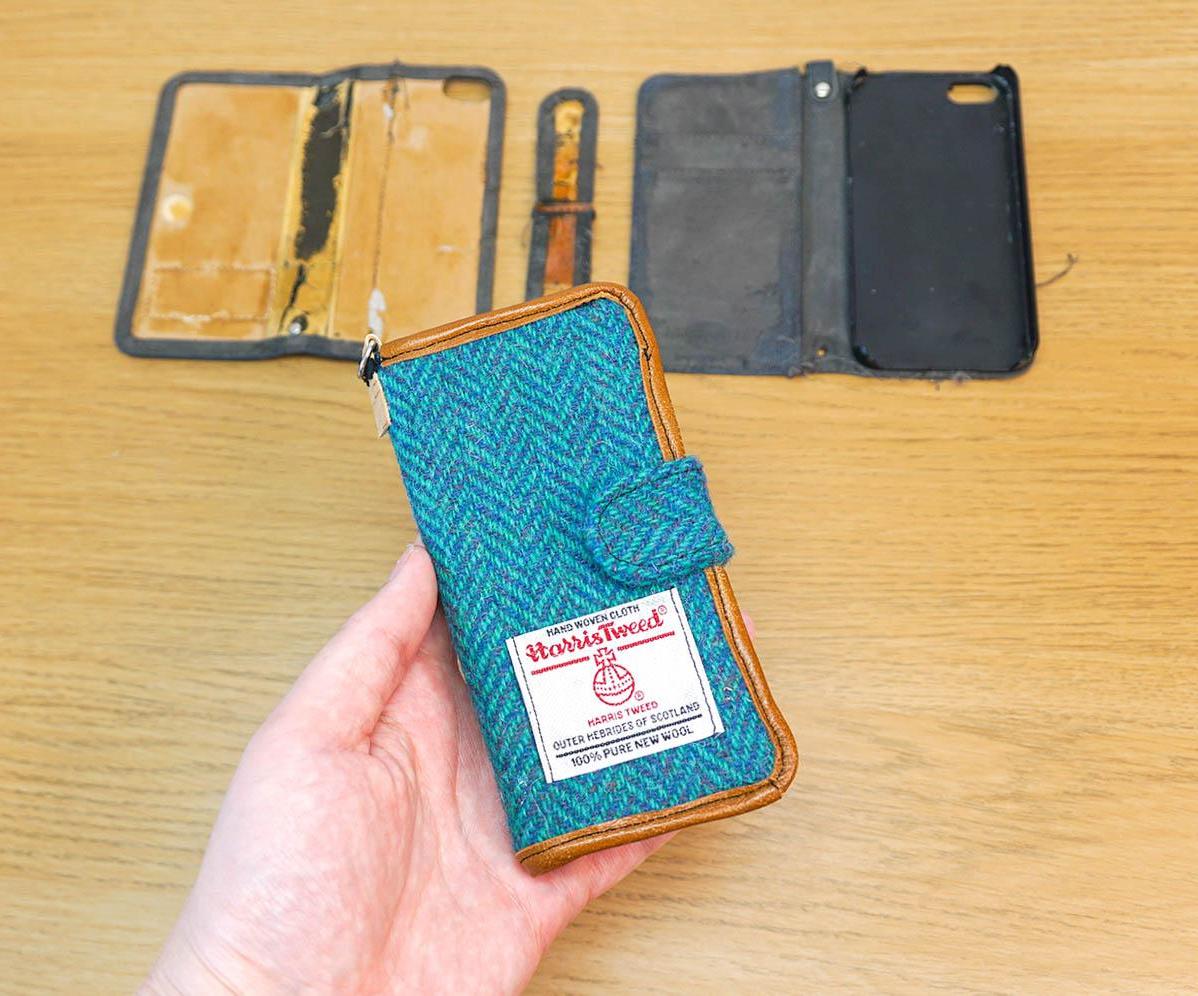
Fabric and lace add softness and depth to phone cases. Cut pieces to fit the case size. Glue them carefully on the surface. Choose colors and patterns that match your style. Lace adds a delicate, elegant feel. Fabric offers many textures like denim or cotton. Press firmly to avoid air bubbles. Let it dry well before using.
Applying Rhinestones And Stickers
Rhinestones bring sparkle and shine to your case. Place them in patterns or randomly for fun effects. Use strong glue to hold rhinestones in place. Stickers offer easy decoration with many designs. Pick waterproof stickers for longer use. Combine rhinestones and stickers for a bold look. Press stickers firmly to avoid peeling. Small touches make a big difference.
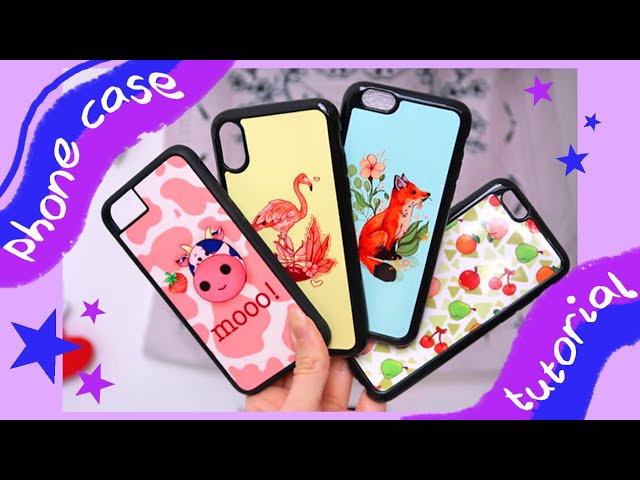
Credit: www.youtube.com
Personalized Photo Cases
Personalized photo cases make your phone unique and special. They show your favorite memories or designs. Creating these cases is simple and fun. You only need a few materials and some creativity. This section explains how to print photos and attach them to your case.
Printing Photos
Choose a clear, high-quality photo for your case. Print the image on photo paper that fits your phone case size. Use a color printer for the best results. Let the print dry completely to avoid smudging. Cut the photo carefully to match the case shape. Make sure the edges are smooth and even.
Arranging And Attaching
Place the photo on the phone case to check the fit. Adjust the position until it looks just right. Use strong glue or double-sided tape to stick the photo. Press down firmly to remove air bubbles. Let the glue dry for at least an hour. For extra protection, add a clear seal or laminate layer.
Protective Finishes
Protective finishes keep phone cases safe from scratches, dirt, and wear. They help your case last longer and look new. These finishes create a strong layer over the design and material. Choose the right protective finish for the best results.
Clear Coats And Sealants
Clear coats add a shiny or matte layer to phone cases. They protect paint, prints, and decorations. Use spray or brush-on clear coats for even coverage. Sealants stop dirt, oil, and water from damaging the case. Apply two or three thin layers for strong protection. Let each layer dry fully before adding the next.
Waterproofing Tips
Waterproofing keeps your phone case safe from water damage. Use waterproof sprays or sealants made for plastic and fabric. Cover the entire case evenly to avoid weak spots. Dry the case in a clean, dust-free area. Test the waterproof finish by splashing water gently. Reapply waterproof coating every few months for lasting protection.
Troubleshooting Common Issues
Troubleshooting is a key part of making phone cases. Problems may arise during painting or assembly. Fixing these issues quickly saves time and effort. Understanding common problems helps create better phone cases. Here are solutions for two frequent issues.
Peeling Paint
Paint peeling is a common problem with phone cases. It happens when paint does not stick well. Surface dust or oils can cause paint to peel. Clean the case with rubbing alcohol before painting. Use thin layers of paint. Let each layer dry fully before adding the next. Avoid thick coats that can crack. Use paint made for plastic surfaces. Seal the paint with a clear varnish to protect it.
Adhesive Problems
Adhesive issues can ruin your phone case design. Glue may not stick or can peel off easily. Make sure both surfaces are clean and dry before gluing. Use the right glue for plastic or silicone materials. Press the parts firmly and hold for several minutes. Allow the glue to cure for the time recommended. Avoid moving the pieces too soon. Store glue in a cool place to keep it fresh.
Creative Ideas For Gifts
Creative gifts show thought and care. Handmade phone cases make perfect presents. They are useful and personal. You can design them in many ways. This section shares ideas to inspire your gift-making.
Matching Themes
Choose themes that fit the gift receiver’s style. For a nature lover, use leaves or flowers. For a sports fan, add their favorite team colors or logos. Matching themes make the phone case feel special. It shows you understand the person’s interests. Themes can also match holidays or events. Birthday, anniversary, or holiday designs add a festive touch.
Custom Messages
Adding a personal message makes the gift unique. Write a short quote or a name. Use simple words that have meaning. A date or a nickname can also work well. Custom messages remind the person of you. They add warmth and personality to the case. Use clear fonts or hand lettering for a neat look.
Credit: www.instructables.com
Frequently Asked Questions
What Materials Are Best For Diy Phone Cases?
Popular materials include silicone, TPU, plastic, and leather. Choose based on durability, flexibility, and design preferences for effective protection.
How Long Does It Take To Make A Phone Case?
It typically takes 30 minutes to a few hours. Time varies by design complexity and material used for crafting the case.
Can I Customize Phone Cases At Home?
Yes, you can personalize cases with paint, decals, or fabric. DIY customization allows unique styles tailored to your taste.
Are Homemade Phone Cases As Protective As Store-bought?
Homemade cases offer decent protection but may lack advanced shock absorption. Store-bought cases often have tested materials for better defense.
Conclusion
Making your own phone case can be simple and fun. You choose the design and materials. It saves money and lets you show your style. Try different colors and patterns to make it unique. Keep practicing, and your skills will get better.
Start with easy steps, then try more ideas. Enjoy creating cases that fit your phone perfectly. Your phone will look great, and you will feel proud. Give it a try today!
As an Amazon Associate, I earn from qualifying purchases.