

Have you ever wondered what the cable connecting your phone to the charger or computer is actually called? You might use it every day, but do you really know its name or why it’s important?
Understanding this simple piece of technology can help you make smarter choices when buying accessories or troubleshooting connection issues. Stick with me, and by the end of this article, you’ll know exactly what your phone cable is called and why it matters to you.
Let’s clear up the mystery once and for all!
Credit: www.esseg.eu
Common Phone Cable Types
Phone cables connect devices for calls, internet, and charging. Different cables serve different purposes. Knowing common types helps you choose the right one.
Each cable has a unique shape and function. Some carry voice signals, others transfer data or power. Here are the most common phone cables you will see.
Rj11 And Rj45 Cables
RJ11 cables are small, usually with four or six wires. They connect landline phones to wall jacks. These cables carry voice signals but not internet data.
RJ45 cables are larger, with eight wires inside. They connect devices to networks using Ethernet. RJ45 cables support high-speed internet and data transfer. They look similar but serve different roles.
Usb Phone Cables
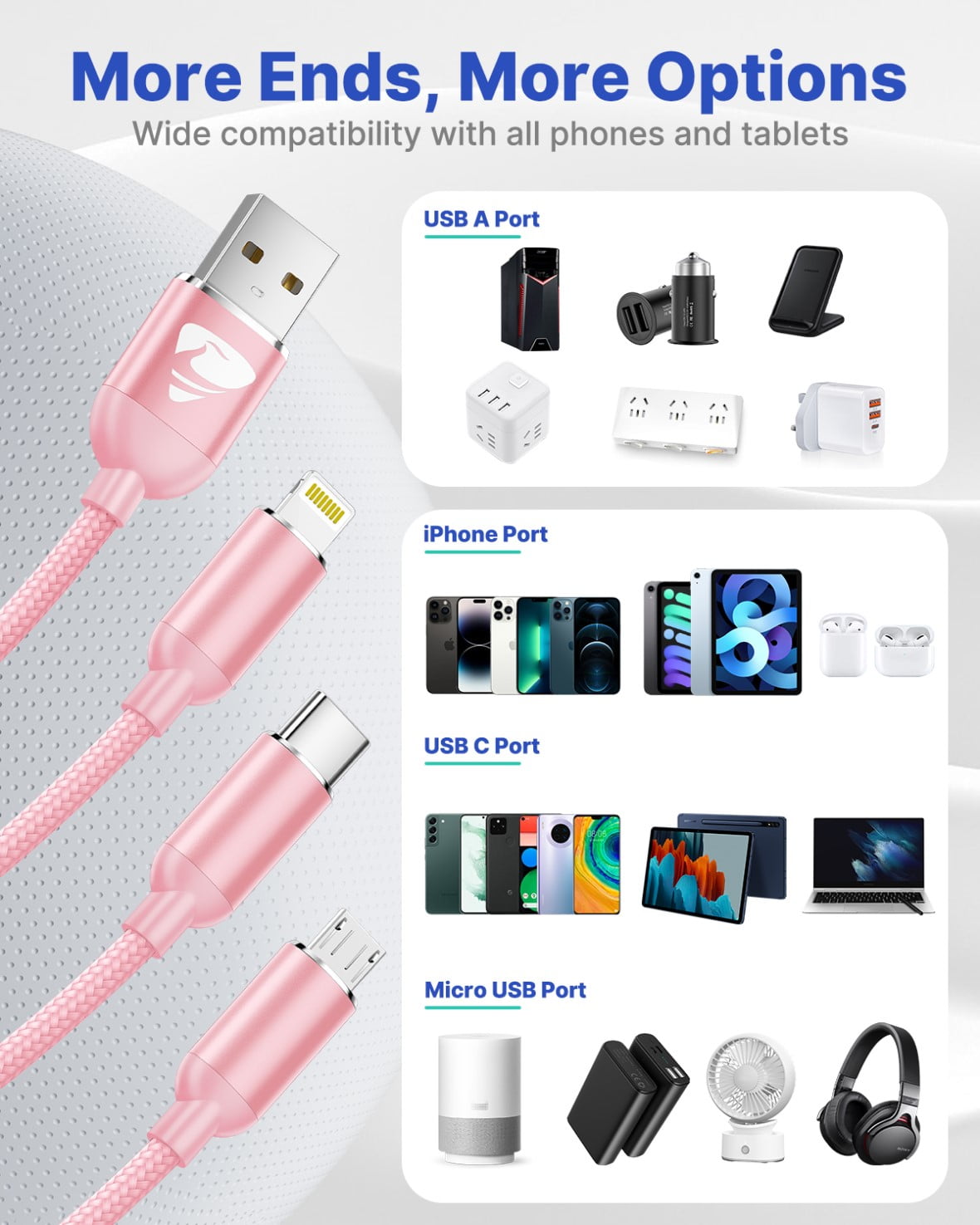
USB cables connect phones to computers or chargers. They transfer data and power. USB cables come in different types like USB-A, USB-B, and USB-C.
USB-C is common now because it works both ways. It charges phones fast and moves data quickly. USB cables are essential for syncing and charging phones.
Lightning And Usb-c Connectors
Apple uses Lightning cables for iPhones and iPads. These cables charge devices and move data. Lightning cables are small and reversible.
Many Android phones use USB-C connectors. USB-C works with many devices, not just phones. It offers fast charging and quick data transfer. These connectors have changed how we charge and connect devices.
How Phone Cables Work
Phone cables connect your device to the telephone network. They carry voice and data signals. Understanding how these cables work helps you see their role in communication.
Signal Transmission Basics
Phone cables send electrical signals between devices and the network. These signals carry your voice as sound waves converted to electric pulses. The cable keeps signals strong and clear over distance. It also blocks outside noise to avoid interference. The signals travel through wires inside the cable quickly and reliably.
Wiring And Pin Configuration
Inside a phone cable, several wires follow a set order. Each wire has a specific role in sending or receiving signals. The most common cable has four wires but only two carry voice signals. These wires use a color code to identify their function. Connectors at the cable ends match the pins on devices. Correct wiring ensures proper signal flow and call quality.
Choosing The Right Phone Cable
Choosing the right phone cable is important for a good user experience. The right cable charges your phone quickly and transfers data without problems. It also lasts longer and fits your needs perfectly. Picking a cable means knowing what works best with your device and your daily use.
Compatibility With Devices
Not all phone cables work with every device. Some phones need USB-C cables, while others use Lightning or Micro-USB. Check what type your phone uses before buying. Using the correct cable avoids damage to your phone’s charging port. It also ensures fast charging and smooth data transfer. Always buy cables that match your phone brand and model.
Length And Durability Considerations
Choose a cable length that fits where you use it most. Short cables work well near power outlets. Longer cables give more freedom to move around. Look for cables with strong materials like braided nylon. These cables resist bending and breaking. A durable cable saves money because it lasts longer. Avoid cheap cables that wear out fast or stop working.

Credit: uk.gpbatteries.com
Phone Cable Accessories
Phone cable accessories help make your device connections easier and neater. They improve the way you use phone cables every day. These accessories come in many forms, each serving a special purpose.
Adapters And Converters
Adapters and converters let you connect different types of phone cables. They change one cable type to another. For example, a USB-C to Lightning adapter helps connect Apple devices to other chargers. These tools are small but very helpful. They prevent the need to buy new cables for every device. Using adapters saves money and space.
Cable Management Tools
Cable management tools keep your phone cables tidy and organized. They stop cables from tangling and breaking. Cable clips, ties, and sleeves are common examples. These tools make your workspace clean and safe. Good cable management also extends the life of your cables. It makes it easy to find the right cable quickly.
Troubleshooting Phone Cable Issues
Phone cables connect your phone to the wall jack or other devices. They carry the voice signals that let you make and receive calls. Sometimes, these cables stop working properly. Troubleshooting phone cable issues helps find and fix problems fast. This saves time and avoids frustration.
Common Problems And Fixes
Loose connections cause static or no sound during calls. Check both ends of the cable to ensure they are plugged in tightly. Bent or twisted cables can break the wires inside. Straighten the cable or replace it if damaged. Dirt or dust in the connectors can block signals. Clean the ends gently with a dry cloth.
When To Replace Your Cable
If calls drop often or you hear crackling noises, the cable might be faulty. Visible damage like cuts or frays means the cable is unsafe to use. Old cables can wear out and lose signal quality. Replace the cable if cleaning and adjusting do not fix the problem. Using a new cable keeps your phone working clearly.
Future Trends In Phone Cables
Phone cables are changing fast. New technology shapes how we connect our phones. The future brings better options for charging and data transfer. Cables might become faster, stronger, and more useful. Some trends show less need for cables at all.
Understanding these trends helps us prepare for new devices and connections. It also shows how technology adapts to our needs. Here are two key trends shaping the future of phone cables.
Wireless Alternatives
Wireless charging grows in popularity. It removes the need for cables to charge phones. Users enjoy the freedom of placing phones on charging pads. Data transfer also moves towards wireless methods. Bluetooth and Wi-Fi improve speed and reliability. Wireless tech reduces cable clutter and wear. Still, cables remain useful for fast charging and stable connections.
Advancements In Cable Technology
Cable design improves with new materials and shapes. Stronger, thinner cables last longer and resist damage. USB-C becomes more common, supporting faster data and power. Smart cables may adjust power flow to protect devices. Some cables combine charging and data with audio or video. These changes make cables more flexible and efficient.

Credit: www.reddit.com
Frequently Asked Questions
What Is The Official Name Of A Phone Cable?
The official name for a phone cable is an RJ11 cable. It connects telephones to wall sockets or phone lines. This cable usually has four or six wires inside. It is widely used for landline telephone connections.
How Does A Phone Cable Differ From Ethernet Cable?
Phone cables use RJ11 connectors, while Ethernet cables use RJ45 connectors. Phone cables carry voice signals, Ethernet cables carry data. RJ11 cables have fewer wires than RJ45. They serve different purposes in telecommunications and networking.
What Materials Are Phone Cables Made Of?
Phone cables consist of copper wires inside a plastic or rubber insulation. Copper enables excellent electrical conductivity for clear voice signals. The outer insulation protects the wires from damage and interference. This construction ensures reliable telephone connections.
Can Phone Cables Carry Internet Signals?
Yes, phone cables can carry DSL internet signals. DSL uses existing phone lines to deliver broadband internet. However, phone cables are slower than Ethernet cables for internet. They are suitable for basic internet but not high-speed networking.
Conclusion
Knowing the correct name of the phone cable helps in buying the right one. The most common name is “RJ11 cable” or “telephone cable. ” These cables connect your phone to the wall jack or modem. Understanding this can save time and avoid confusion.
Now, you can identify and choose cables with confidence. Simple knowledge makes a big difference in daily tech tasks. Keep this in mind when setting up or fixing phone lines. It’s easy once you know the terms.
As an Amazon Associate, I earn from qualifying purchases.

