
Have you ever wondered if your TV is quietly exposing you to harmful radiation? It’s a question that crosses many minds, especially when you spend hours watching your favorite shows.
You might be surprised to learn what really comes from your screen and how it affects your health. Stick with me, and you’ll discover the truth about TV radiation—what it means for you and how to stay safe while enjoying your entertainment.
Types Of Radiation From Tvs
Televisions emit different types of radiation during use. Understanding these types helps clear common worries. Radiation from TVs is mostly safe and common in many household devices. Let’s explore the kinds of radiation TVs give off and their effects.
Electromagnetic Radiation Explained
Electromagnetic radiation includes waves like radio, microwaves, and visible light. TVs use electromagnetic waves to display images and sounds. This radiation is low energy and non-ionizing, meaning it cannot damage cells. The TV’s signal and power supply produce this radiation. It spreads around the TV but weakens quickly with distance.
Visible Light And Infrared Emissions
TV screens emit visible light to create the picture you see. This light is safe and part of the natural light spectrum. Infrared light also comes from the TV, mainly from remote controls. Infrared radiation is invisible but harmless in small amounts. Both types help the TV function properly and do not pose health risks.
Comparison With Other Household Devices
Other home devices also emit radiation, like Wi-Fi routers, microwaves, and smartphones. The radiation from TVs is similar to these devices and usually weaker. TVs do not emit harmful radiation like X-rays or gamma rays. Staying a few feet away from the TV reduces any exposure. Normal use of TVs is safe for everyone in the home.
Radiation Levels In Modern Tvs
Modern TVs do emit some radiation, but the levels are very low. The type and amount of radiation depend on the screen technology. Understanding these differences helps clear up common worries about TV safety.
Radiation from TVs is mostly non-ionizing, meaning it does not harm your cells or DNA. Still, knowing how much radiation a TV gives off is important for peace of mind.
Crt Vs. Led And Oled Screens
Older TVs used CRT (Cathode Ray Tube) technology. These screens emitted low levels of X-rays and electromagnetic fields. The radiation was higher near the screen surface.
Modern TVs use LED or OLED screens. These produce almost no X-rays and have much lower electromagnetic emissions. The radiation levels are minimal and safe for daily use.
Emission Standards And Safety Limits
Governments set strict rules for radiation from electronic devices. TVs must follow these limits to be sold legally. These standards protect users from harmful radiation exposure.
Safety limits are far below levels that could cause health problems. Manufacturers test TVs to ensure they meet these safety rules before release.
Real-life Exposure Measurements
Studies measure radiation from TVs in real homes. The results show radiation is much lower than everyday background radiation. Sitting near a modern TV does not increase health risks.
Experts agree radiation from modern TVs is safe. Normal TV watching will not harm your health or cause radiation sickness.
Health Risks Linked To Tv Radiation
Many people worry about the health risks linked to TV radiation. Old TVs gave off some radiation, but modern TVs are different. Understanding the real risks helps people feel safer and make smart choices.
This section breaks down common myths, effects on eyes and skin, and cancer concerns.
Myths Vs. Scientific Evidence
Some believe TVs emit harmful radiation that causes serious health problems. Science shows that modern TVs use very low levels of radiation. LED, LCD, and OLED screens produce almost no harmful rays. Experts say the small radiation from TVs is not a health threat. Many fears come from older TV types like CRTs, which are no longer common.
Potential Effects On Eyes And Skin
Watching TV for long hours can cause eye strain and dryness. This is due to screen brightness and close viewing distance, not radiation. Skin does not absorb harmful rays from modern TVs. The light from screens is safe for skin under normal use. Taking breaks during TV time helps reduce eye discomfort.
Radiation And Cancer Concerns
People often worry that TV radiation might cause cancer. Studies have found no link between TV radiation and cancer risk. The type of radiation from TVs is non-ionizing and low in energy. This radiation cannot damage DNA or cause cancer. Health organizations confirm TVs are safe to use every day.
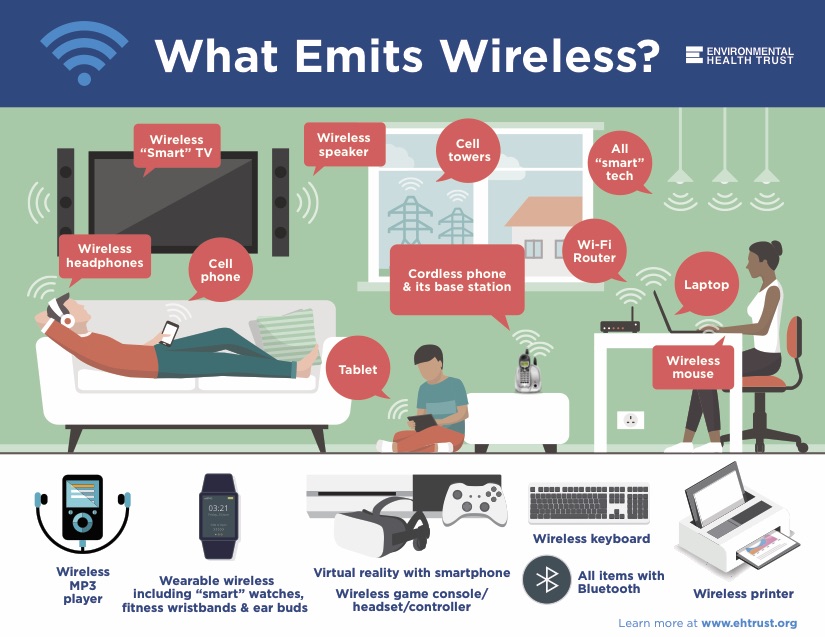
Credit: ehtrust.org
Reducing Radiation Exposure
Reducing radiation exposure from TVs is important for safer viewing. TVs emit very low levels of radiation, but simple steps can lower your exposure. Small changes in how you use your TV can make a big difference.
Optimal Tv Placement And Distance
Place your TV at a comfortable distance to reduce radiation exposure. Sitting too close increases your contact with emitted waves. Experts suggest staying at least 6 feet away from the screen. Position the TV so it is at eye level. Avoid placing the TV near where you spend long hours.
Using Screen Filters And Protective Gear
Screen filters help block some radiation from your TV. These filters are easy to install and affordable. Look for anti-radiation or anti-glare filters. Protective gear like radiation shields can also reduce exposure. These tools add an extra layer of safety without affecting picture quality.
Best Practices For Safe Viewing
Limit TV watching time to reduce radiation exposure. Take regular breaks to step away from the screen. Turn off your TV when not in use to minimize radiation. Keep your room well-lit to reduce eye strain. Clean your screen regularly to keep it clear and safe.
Future Tv Technologies And Radiation
Future TV technologies aim to reduce radiation exposure from screens. As TV designs evolve, safety and health become key focus areas. New tech tries to minimize the amount of radiation TVs emit while still delivering clear images and bright colors. This section explores how these advances might change the way TVs affect our health.
Emerging Low-emission Displays
New types of TV screens produce less radiation than older models. OLED and microLED displays use less power and emit fewer harmful rays. These screens also offer better picture quality and use energy more efficiently. Low-emission displays help reduce the risk of radiation without sacrificing viewing experience.
Advances In Radiation Shielding
Scientists are developing better materials to block radiation from TVs. Special coatings and layers can absorb or deflect harmful rays. These shields can be built into the TV screen or frame. Improved shielding protects users by lowering the radiation that escapes from the device.
What To Expect In Coming Years
TV makers will continue improving radiation safety in future models. Expect lighter, thinner TVs with less radiation output. New standards may require lower radiation levels for all TVs. Consumers will have safer options that protect health and offer great visuals.

Credit: lessemf.com
Credit: www.reddit.com
Frequently Asked Questions
Does A Tv Emit Harmful Radiation To Humans?
Modern TVs emit very low levels of non-ionizing radiation. This type of radiation is generally safe and does not harm humans. The levels are far below safety limits set by health authorities. So, regular TV use poses no significant radiation risk.
What Kind Of Radiation Do Tvs Give Off?
TVs primarily emit low-frequency electromagnetic radiation, also called non-ionizing radiation. This radiation is different from harmful ionizing radiation like X-rays. It comes from the screen and electronic components but is very weak and safe for everyday exposure.
Can Sitting Close To A Tv Increase Radiation Exposure?
Sitting close to a TV slightly increases exposure to non-ionizing radiation, but it is still within safe limits. Modern TVs are designed to minimize radiation. No scientific evidence shows health risks from normal viewing distances.
Do Older Tvs Emit More Radiation Than Newer Ones?
Older CRT TVs emit more low-level electromagnetic radiation than modern LED or LCD TVs. However, even older models stayed within safety guidelines. Newer TVs are safer and use advanced technology to reduce emissions further.
Conclusion
TVs do give off a small amount of radiation, but it is very low. This radiation is not harmful to people watching for normal times. Modern TVs use technology that reduces radiation even more. Sitting too close to the screen for a long time can cause eye strain, not radiation problems.
Using your TV normally is safe and does not cause health risks. So, enjoy your favorite shows without worry. Stay informed and use your TV wisely for the best experience.
As an Amazon Associate, I earn from qualifying purchases.