
Have you ever wished your TV could blend seamlessly into your room when it’s off? Imagine turning your living space into a stylish area without the bulky black screen staring back at you.
A DIY TV mirror lets you do just that—transform your ordinary TV into a sleek, reflective surface that doubles as a mirror. It’s easier than you think, and you’ll love the modern, clean look it brings to your home. Ready to discover how you can create your own TV mirror?
Keep reading, because your living room makeover starts here.
Credit: www.hiddentelevision.com
Choosing The Right Tv Mirror
Choosing the right TV mirror is key to a perfect DIY project. It blends technology with style. A well-chosen TV mirror adds elegance and saves space. Think about your room size and style first. Match the mirror to your TV and decor for best results.
Types Of Tv Mirrors
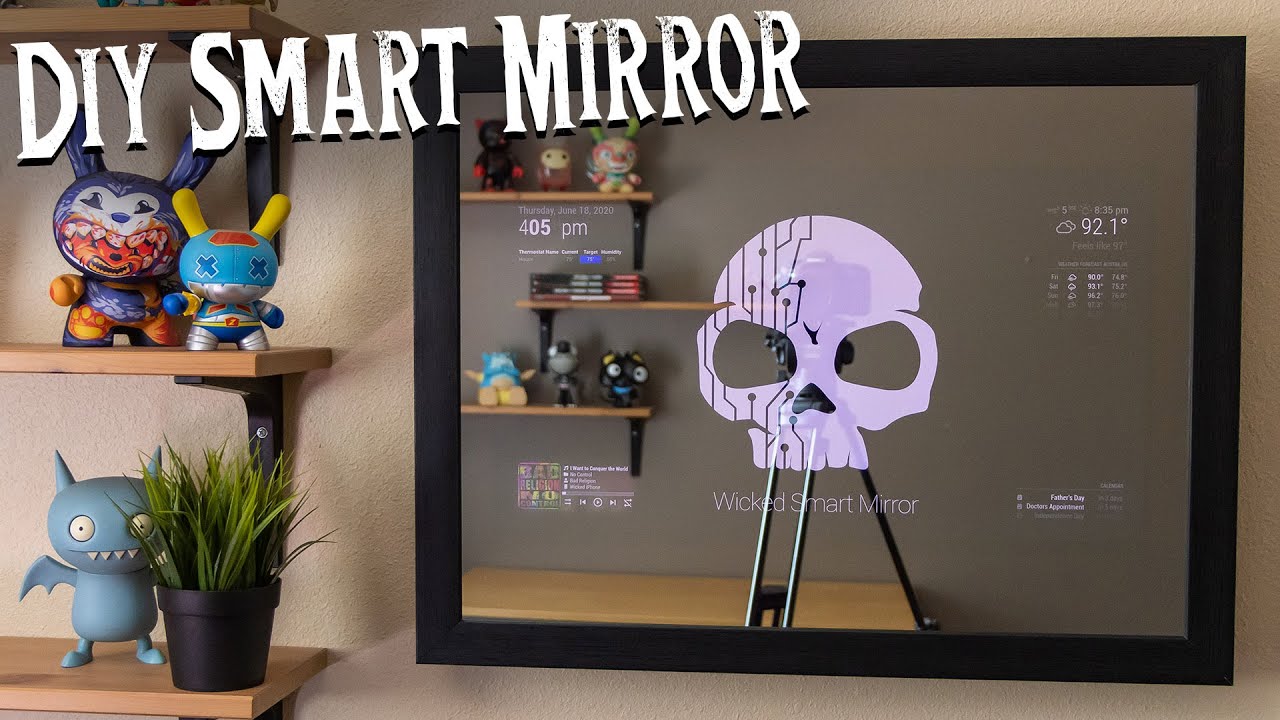
There are two main types of TV mirrors. The first type hides the TV completely when off. It looks like a normal mirror. The second type shows the TV screen clearly but still acts as a mirror. Decide which fits your needs and room use.
Screen Size Considerations
Measure your TV screen before choosing a mirror. The mirror must be large enough to cover the TV. Avoid mirrors that are too big or small. A perfect fit looks clean and professional. Also, think about how far you sit from the TV.
Frame Styles And Materials
Frames change the look of your TV mirror. Choose from wood, metal, or plastic frames. Wood frames give a warm, classic feel. Metal frames add a modern and sleek touch. Pick a frame that matches your room’s style. Keep the frame simple for easy maintenance.
Credit: www.youtube.com
Essential Tools And Materials
Building a DIY TV mirror requires the right tools and materials. These items make the process smoother and ensure a quality result. Understanding what you need helps you stay organized and complete the project efficiently.
Mirror Panels And Tv Components
Start with a high-quality two-way mirror panel. This lets you see the TV behind the glass. The panel size must match your TV screen perfectly. Use an LED or LCD TV with a slim profile. Make sure the TV is fully functional before installation. Check the screen resolution and brightness for the best display.
Mounting Hardware
Strong mounting brackets hold the mirror and TV safely. Choose brackets that fit your wall type. Use screws and anchors rated for the mirror’s weight. A stud finder helps locate secure spots on the wall. Double-check all hardware for stability before finalizing the setup.
Electrical Supplies
Electrical supplies include power cords and extension cables. Use cable management tools to keep wires tidy. A power strip with surge protection adds safety. Consider LED backlighting for better TV visibility behind the mirror. Always follow electrical safety guidelines to avoid risks.
Step-by-step Installation Guide
Installing a DIY TV mirror adds style and function to any room. This guide breaks down the process into simple steps. Follow each part carefully for the best results. No special skills needed.
Preparing The Wall Space
Choose a flat, clean wall for your TV mirror. Remove dust and dirt for better adhesion. Use a stud finder to locate wall studs. Mark these spots with a pencil. Studs provide strong support for the TV.
Measure the area to ensure the TV and mirror fit well. Clear the space around the wall to avoid obstacles. Gather all tools and materials before starting.
Mounting The Tv
Attach the TV mount bracket to the wall studs. Use a level to keep it straight. Drill pilot holes for screws to prevent wall damage. Secure the bracket tightly with screws and anchors. Hang the TV on the bracket carefully. Check that the TV is stable and level.
Attaching The Mirror Frame
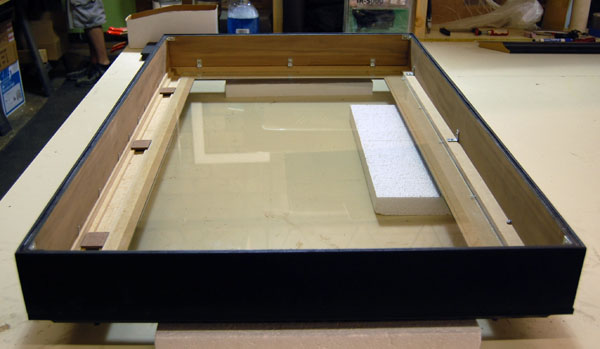
Place the mirror frame around the TV. Make sure the frame size fits the TV perfectly. Use strong adhesive or mounting tape on the back of the frame. Press the frame firmly against the wall. Allow time for the adhesive to set. Check that the frame is secure and even.
Cable Management Tips
Keep cables neat and hidden for a clean look. Use cable covers or raceways to hide wires along the wall. Secure cables with clips or ties to prevent tangling. Consider using wireless devices to reduce visible wires. Label cables for easy identification later. Proper cable management improves safety and aesthetics.
Credit: www.twowaymirrors.com
Creative Design Ideas
Creative design ideas make a DIY TV mirror stand out. These ideas help you blend technology and style. A TV mirror is more than a screen. It can be a part of your room’s look. Simple touches can add charm and function. Here are some ways to design your own TV mirror creatively.
Incorporating Lighting Effects
Lighting changes how the TV mirror looks and feels. Soft LED lights around the edges create a gentle glow. This glow makes the mirror look modern and cozy. You can use color-changing lights to match moods or rooms. Lights also help reduce eye strain in dark rooms. Choose dimmable lights for more control over brightness.
Blending With Home Decor
A TV mirror should match your room’s style. Think about the colors and shapes already in your space. A sleek, black frame fits a modern room well. Wood or bronze frames work for classic or rustic styles. Place the TV mirror where it complements other furniture. This keeps the room balanced and inviting.
Using Decorative Frames
Frames give personality to your DIY TV mirror. You can paint or decorate plain frames with patterns. Use materials like wood, metal, or plastic to match your style. Adding texture or carvings makes the mirror unique. Even simple ribbons or stickers can add charm. The frame turns the TV mirror into a piece of art.
Maintenance And Care Tips
Maintaining your DIY TV mirror keeps it looking great and working well. Simple care habits extend the life of both the mirror and TV screen. Follow these easy tips to keep your setup clean and safe.
Cleaning The Mirror Surface
Use a soft, lint-free cloth for cleaning the mirror. Avoid rough materials that can scratch the surface. Lightly dampen the cloth with water or a mild glass cleaner. Wipe gently in a circular motion to remove dust and smudges. Never spray cleaner directly on the mirror to avoid damage. Dry the surface with a dry cloth to prevent streaks.
Protecting The Screen
Keep the TV screen safe behind the mirror glass. Avoid placing sharp objects near the mirror. Do not press hard on the glass, as it may crack. Keep the area free from dust and moisture. Turn off the TV when not in use to reduce heat buildup. Use a surge protector to protect against power spikes.
Troubleshooting Common Issues
If the screen shows flickering or color problems, check the TV connection first. Make sure all cables are tight and undamaged. Dust inside the frame can cause issues; clean gently with a soft brush. If the mirror fogs up, improve room ventilation or use a dehumidifier. For persistent problems, consult the TV manual or a technician.
Budgeting Your Tv Mirror Project
Budgeting your TV mirror project helps control costs and avoid surprises. Knowing expenses beforehand keeps your plan clear and achievable.
Careful budgeting lets you pick materials and tools wisely. It also helps decide if you want to install it yourself or hire a pro.
Cost Of Materials
Materials for a TV mirror include glass, a frame, and mounting parts. Prices vary based on size and quality. Standard mirror glass is cheaper than smart glass. Frames made from wood or metal affect the total cost. Check local stores and online shops for the best deals. Don’t forget small items like screws and adhesive. Plan for a small extra budget for mistakes or damages.
Diy Vs Professional Installation
Doing it yourself saves labor costs. It requires time and some skills. Mistakes may cost extra money later. Hiring a professional costs more upfront. Pros ensure safe and neat installation. Choose DIY if you enjoy hands-on projects. Pick a professional if you want quick, perfect results. Compare costs and your comfort with tools before deciding.
Saving Money With Upcycled Items
Upcycling old mirrors or frames cuts material costs. Look for unused mirrors at thrift shops or garage sales. Old picture frames can become stylish TV mirror borders. Clean and refurbish these items to save money. Using recycled materials is eco-friendly too. Small fixes like sanding or painting refresh old parts. Upcycling adds character and keeps your budget low.
Frequently Asked Questions
What Materials Are Needed For A Diy Tv Mirror?
You need a two-way mirror, a TV screen, wood or metal frame, adhesive, and basic tools. Ensure the mirror size matches your TV for a seamless look.
How Do You Install A Tv Behind A Mirror?
Place the TV behind the two-way mirror inside a frame. Secure the mirror and TV with adhesive or brackets, allowing the screen to display through the mirror.
Can Any Tv Work For A Mirror Tv Project?
Most flat-screen TVs work well, especially LED or OLED models. Choose a slim design for better fit and reduced depth behind the mirror.
How Do You Control The Tv Behind The Mirror?
Use an infrared extender or Bluetooth remote control. These allow you to operate the TV without removing the mirror or frame.
Conclusion
Building your own TV mirror saves money and adds style to your space. It brings a unique look that fits your room perfectly. You control the size and design to match your taste. The project is simple and fun to do at home.
Enjoy the blend of TV and mirror without paying high prices. Try this DIY idea and see how it changes your room’s feel. Small effort, big impact. Why buy when you can create?
As an Amazon Associate, I earn from qualifying purchases.