

Are you struggling to figure out how much your food really costs? Knowing your food cost is key to running a successful kitchen or restaurant.
It helps you set the right prices, control your budget, and boost your profits. But calculating food cost doesn’t have to be confusing or time-consuming. You’ll learn simple steps to quickly and accurately calculate your food cost. By the end, you’ll have the confidence to manage your expenses like a pro and make smarter decisions for your business.
Keep reading to unlock the secrets behind food cost calculation!
Basics Of Food Cost
Understanding the basics of food cost is important for managing any kitchen or restaurant. Food cost helps track how much money is spent on ingredients. This knowledge helps control expenses and improve profits. It also guides menu pricing and purchasing decisions. Learning about food cost is the first step to running a successful food business.
What Food Cost Means
Food cost is the total price paid for all ingredients in a dish. This includes raw materials like vegetables, meat, and spices. It also covers packaging if used. Food cost is usually shown as a percentage of the selling price. For example, if a dish costs $3 to make and sells for $10, the food cost is 30%.
Why Food Cost Matters
Food cost affects the profit a business can make. High food costs mean less money left after paying for ingredients. Low food costs help increase profits. It also helps prevent waste by encouraging better ingredient use. Knowing food costs helps set fair prices for customers. This balance keeps customers happy and the business healthy.

Credit: www.theculinarypro.com
Gathering Necessary Data
Gathering the right data is the first step in calculating food cost. Accurate data helps you know the true cost of each dish. This process involves two key tasks: listing all ingredients and recording their prices. Both are essential to get clear and useful results.
Listing Ingredients
Start by writing down every ingredient used in your recipe. Include even small items like spices or oils. Each ingredient affects the total cost. Be specific about quantities too. For example, note if you use 100 grams of flour or 2 eggs. This detail ensures precise cost calculation.
Recording Prices
Next, find out the current price for each ingredient. Check invoices, receipts, or supplier price lists. Use the price for the exact quantity used in your recipe. For instance, if a kilogram of sugar costs $2, calculate the cost of the sugar amount you use. Updating prices regularly keeps your food cost accurate.
Calculating Ingredient Costs
Calculating ingredient costs is a key step in understanding food cost. It helps track how much each item in a recipe costs. This knowledge allows better control over expenses and pricing. Accurate ingredient costing improves profit margins and reduces waste. Start by breaking down each component to its price and quantity. Below are two important parts of this process.
Converting Measurements
Recipes use many units: cups, ounces, grams, or pounds. You must convert these to a common measurement. This makes cost calculation easier and more accurate. For example, convert cups of flour to pounds if the price is per pound. Use a kitchen scale or online conversion tools. Always convert to the unit that matches the product price. This step removes confusion and ensures precise costing.
Determining Cost Per Unit
Find the price for the full package of each ingredient. Then, divide this price by the number of units in the package. For example, if a 5-pound bag of sugar costs $10, the cost per pound is $2. Multiply the cost per unit by the amount used in the recipe. This gives the exact cost of each ingredient in the dish. Add all ingredient costs to get the total food cost.

Credit: www.youtube.com
Summing Total Recipe Cost
Summing the total recipe cost is a key step in managing your food budget. It helps you know how much each dish costs to make. This calculation is important for setting prices and controlling expenses. You add up all costs related to the recipe. This includes ingredients and other expenses. Let’s explore how to do this clearly and simply.
Adding Ingredient Costs
Start by listing all ingredients used in the recipe. Check the price of each item. Use the amount needed, not the whole package price. For example, if you use half a cup of sugar, calculate the cost of that portion only. Add the costs of all ingredients together. This gives the basic food cost for the recipe.
Including Overhead Expenses
Next, include overhead expenses. These are costs that support your kitchen but are not ingredients. Think about electricity, gas, water, and kitchen supplies. Also, consider rent and staff wages. Divide these costs by the number of recipes made in a period. Add the overhead cost to your ingredient total. This step shows the full cost to make the recipe.
Determining Food Cost Percentage
Determining food cost percentage is crucial for managing restaurant expenses. This number shows how much of your sales money goes to buying food. Knowing this percentage helps keep your business profitable. It also guides decisions about menu prices and portion sizes.
Formula For Food Cost Percentage
Food cost percentage is found by dividing the cost of food by the sales price. Then multiply the result by 100 to get a percentage. The formula looks like this:
Food Cost Percentage = (Cost of Food ÷ Sales Price) × 100
For example, if your food costs $2 and you sell the dish for $10, the food cost percentage is 20%. This means 20% of the sales price pays for the food itself.
Using Sales Price In Calculation
Sales price is the amount customers pay for a dish. It is important to use the final sales price in calculations. This includes taxes and any discounts. Using the sales price helps compare food costs across different menu items. It also shows if prices cover food expenses well.
Adjusting sales prices can improve the food cost percentage. If the percentage is too high, raising prices may help. If it is too low, lowering prices can attract more customers. Monitoring this percentage regularly keeps your business financially healthy.
Tips For Accurate Food Costing
Accurate food costing helps keep your kitchen profitable. It shows how much each dish costs to make. Knowing this helps you set the right prices and reduce losses. Follow these tips to improve your food costing accuracy.
Regular Price Updates
Food prices change often. Check prices of ingredients regularly. Update your cost sheets to reflect current prices. This stops mistakes in your calculations. Use invoices and receipts to track price changes.
Set a schedule to review prices weekly or monthly. This keeps your data fresh. Avoid using old prices that can cause losses.
Tracking Waste And Spoilage
Waste affects food costs a lot. Record all spoiled or wasted food daily. This helps you see where losses happen. Find ways to reduce waste by better storage or portion control.
Train staff to handle food carefully. Use tools like waste logs to track and control spoilage. Lower waste means better profit and accurate costing.
Tools And Software Options
Calculating food cost requires the right tools to ensure accuracy. Choosing between manual methods and digital solutions depends on your needs. Both options help track expenses and improve budgeting.
Manual Calculation Methods
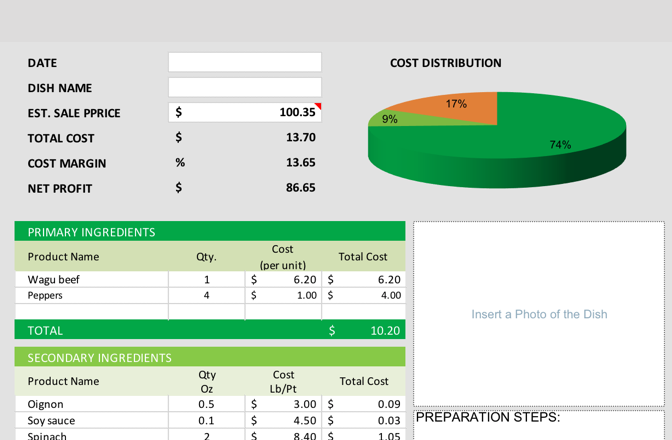
Manual calculation uses simple math and basic tools. Start by listing all ingredients and their prices. Measure the quantity used in each dish. Multiply the quantity by the price per unit. Add all ingredient costs to get the total food cost.
This method needs a calculator, pen, and paper or a spreadsheet. It works well for small kitchens or those just starting out. Manual methods give a clear understanding of food cost basics.
Digital Solutions
Digital tools automate food cost calculations. Many apps and software track inventory and prices. They update costs in real-time and generate reports. Digital solutions save time and reduce errors.
Some software connects with suppliers for price updates. Others include recipe costing and menu pricing features. These tools suit busy kitchens and larger restaurants. Digital options make food cost management easier and faster.
Credit: restaurant.eatapp.co
Frequently Asked Questions
What Is Food Cost Calculation?
Food cost calculation is determining the total expense to make a dish. It includes ingredient prices and portion sizes. This helps manage budgets and set menu prices effectively.
How Do I Find My Food Cost Percentage?
Divide your total food cost by total sales, then multiply by 100. This percentage shows how much revenue is spent on ingredients.
Why Is Food Cost Important In Restaurants?
Food cost controls profit margins and helps prevent overspending. It ensures pricing covers expenses and keeps the business sustainable.
What Tools Help Calculate Food Cost Accurately?
Spreadsheets and specialized software track ingredient costs and portions. These tools simplify calculations and improve accuracy in food cost management.
Conclusion
Calculating food cost helps keep your kitchen budget on track. It shows how much you spend on each meal or dish. Knowing this helps you set fair prices and avoid losses. Keep track of all ingredient costs and portion sizes.
Regular checks make sure your numbers stay correct. This simple step supports better decisions and saves money. Try it today for clearer control over your food expenses.
As an Amazon Associate, I earn from qualifying purchases.
