

Are you struggling to understand how to calculate net loss for your business or personal finances? Knowing this simple yet crucial number can change the way you manage money and make important decisions.
You’ll discover an easy step-by-step method to calculate your net loss clearly and confidently. By the end, you’ll have the tools to spot problems early and take control of your financial future. Keep reading to unlock the secret behind this essential calculation!
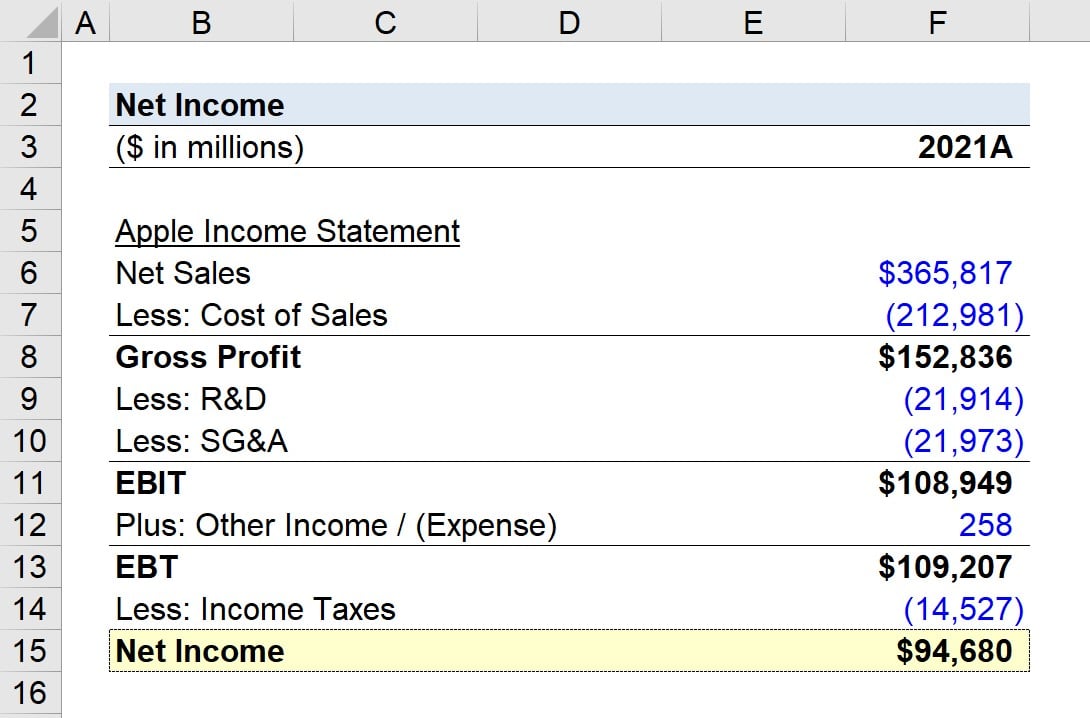
Credit: www.wallstreetprep.com
What Is Net Loss
Net loss shows when a business spends more money than it earns. It means the company’s costs are higher than its income. This situation can happen for many reasons. Understanding net loss helps business owners see how well their company is doing.
Net loss is important to track. It gives a clear picture of financial health. It also helps in making smart decisions about spending and saving.
Definition Of Net Loss
Net loss is the amount by which expenses exceed revenue. It shows a negative profit. In simple terms, it means the business lost money during a period.
Why Net Loss Happens
Net loss can happen due to low sales or high costs. Sometimes unexpected expenses cause it. Other times, poor budgeting or economic problems play a role.
Impact Of Net Loss On Business
Net loss can reduce a company’s savings. It might limit growth or investment. Continuous losses can lead to more serious problems.
Difference Between Net Loss And Gross Loss
Gross loss happens before adding all expenses. Net loss accounts for every cost and income. Net loss gives a full picture of profit or loss.

Credit: www.bench.co
Key Components Needed
Calculating net loss requires understanding two main parts. These parts give a clear picture of your business’s financial health. Knowing these helps track money in and money out. This section explains the key components needed for the calculation.
Revenue
Revenue is the total money earned from sales or services. It shows how much income a business brings in. This number is before any costs or expenses are taken out. Revenue is also called sales or turnover. Accurate revenue figures are essential for a correct net loss calculation.
Expenses
Expenses are the costs a business pays to operate. They include rent, salaries, utilities, and supplies. Expenses reduce the money earned from revenue. Tracking all expenses ensures you do not miss any costs. Subtracting expenses from revenue gives the net profit or net loss.
Step-by-step Calculation
Calculating net loss is simple with clear steps. Follow this guide to understand the process easily. Each step helps you find out if your business spent more than it earned.
Gather Financial Data
Start by collecting all income and expense records. Include sales, service fees, and any other revenue. Gather bills, salaries, rent, and other costs too. Accurate data is key for correct calculation.
Subtract Expenses From Revenue
Add up all revenues first. Then add all expenses separately. Subtract total expenses from total revenue. This shows the overall profit or loss for the period.
Identify Negative Results
If the result is below zero, that is a net loss. It means expenses are higher than income. Knowing this helps you plan better financial decisions.
Common Mistakes To Avoid
Calculating net loss might seem simple, but many make common errors. These mistakes can lead to wrong financial conclusions. Avoiding these errors helps you understand your true business performance. Here are two frequent mistakes to watch out for.
Ignoring Non-operating Costs
Non-operating costs include expenses outside your main business activities. Examples are interest payments, lawsuits, or asset sales losses. Ignoring these costs gives an incomplete picture of your net loss. Always include non-operating costs to get an accurate calculation. Leaving them out can make your business look healthier than it is.
Mixing Up Gross Profit And Net Loss
Gross profit and net loss are very different. Gross profit is revenue minus the cost of goods sold. Net loss means your expenses are more than your total income. Confusing these terms can lead to wrong decisions. Know the difference to avoid mistakes in financial planning. Focus on net loss to understand if your business is losing money.
Tools To Simplify Calculation
Calculating net loss can seem tricky without the right tools. Simple tools help reduce mistakes and save time. They organize data clearly and make math easier. These tools fit different needs, from basic to advanced calculations. Using them helps you focus on understanding your business health.
Spreadsheets
Spreadsheets like Microsoft Excel or Google Sheets help track income and expenses. They let you enter numbers and use formulas to find net loss automatically. You can customize sheets to fit your business style. Spreadsheets also allow easy updates as new data comes in. Charts and graphs show loss trends clearly. They work well for small businesses and beginners.
Accounting Software
Accounting software such as QuickBooks or Xero offers more power for calculations. These tools connect bank accounts and import transactions. They categorize expenses and income without manual entry. Software generates reports showing net loss instantly. Alerts help spot problems early. Ideal for medium to large businesses with complex finances. They save effort and improve accuracy in financial records.
Interpreting Net Loss Results
Interpreting net loss results is crucial for understanding a company’s financial state. Net loss shows that expenses are higher than income. This information helps business owners make smart decisions. It also signals areas that need attention or change.
Knowing what net loss means can guide your next moves. It points to problems that affect business health. Understanding these results helps avoid bigger issues later. It gives a clear picture of financial challenges.
Impact On Business Health
Net loss affects the company’s overall health. It reduces available cash and savings. This can slow growth or stop new projects. Investors and lenders may lose confidence. A long-term loss can lead to bankruptcy. It also impacts employee morale and customer trust. Recognizing the impact helps prepare for tough times.
Steps After Calculating Net Loss
Review all income and expenses carefully. Look for costs that can be cut or reduced. Analyze which products or services lose money. Create a plan to increase sales or revenue. Communicate with your team about the situation. Seek advice from financial experts if needed. Track changes and measure progress regularly. Acting quickly can prevent deeper financial problems.
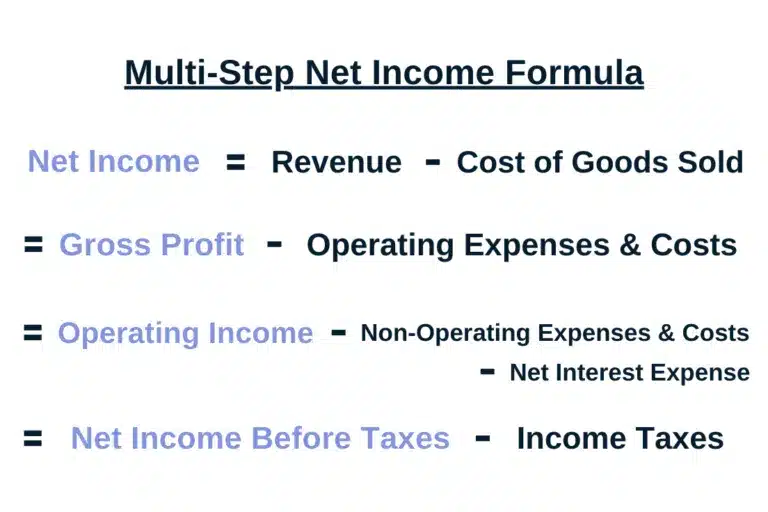
Credit: tipalti.com
Frequently Asked Questions
What Is Net Loss In Business Finance?
Net loss occurs when total expenses exceed total revenues during a specific period. It indicates that a company spent more than it earned. This figure helps assess financial health and guides management in decision-making to improve profitability.
How Do You Calculate Net Loss Step-by-step?
Subtract total expenses from total revenue to find net loss. If expenses are greater, the result is a net loss. Use the formula: Net Loss = Total Expenses – Total Revenue, when expenses exceed income.
Why Is Calculating Net Loss Important For Companies?
Calculating net loss helps businesses understand financial performance. It identifies periods of unprofitability and aids in cost control. This insight supports strategic planning and improves financial management to restore profitability.
Can Net Loss Affect A Company’s Tax Obligations?
Yes, net loss can reduce taxable income. Businesses may carry forward losses to offset future profits. This can lower tax liabilities, providing financial relief during unprofitable periods.
Conclusion
Calculating net loss helps you understand your business’s financial health. Subtract total expenses from total revenue to find the net loss. It shows if your costs are higher than your income. Knowing this helps you make better money decisions. Keep track of your figures regularly for accuracy.
This simple step guides you toward improving profits. Understanding net loss is key to managing your business well.
As an Amazon Associate, I earn from qualifying purchases.
