

Are you wondering how to quickly check your business’s financial health? Knowing your current ratio is one of the easiest ways to do that.
But how do you calculate current ratio in accounting, and why does it matter for you? This simple number can reveal whether your company can cover its short-term debts without breaking a sweat. Keep reading, and you’ll learn exactly how to find this key figure—and how it can help you make smarter financial decisions right now.
Credit: www.patriotsoftware.com
Current Ratio Basics
The current ratio is a key measure in accounting. It shows a company’s ability to pay short-term debts. Understanding its basics helps in analyzing financial health clearly.
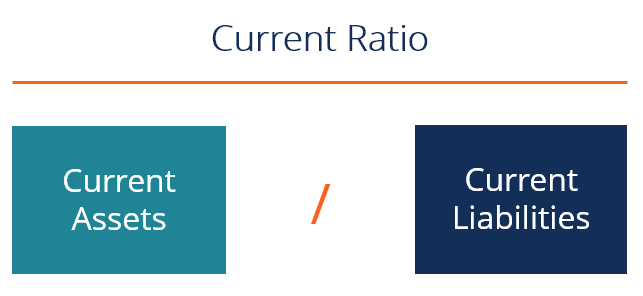
This ratio compares a company’s current assets to its current liabilities. A strong current ratio means the company can cover its debts easily. A low ratio may signal financial trouble.
Definition Of Current Ratio
The current ratio is a financial metric. It is calculated by dividing current assets by current liabilities. Current assets include cash, inventory, and accounts receivable. Current liabilities are debts due within one year. This ratio indicates how many times current assets cover current liabilities.
Importance In Financial Analysis
The current ratio helps assess liquidity. It shows if a company can meet short-term obligations. Investors and creditors use this ratio to evaluate risk. A higher ratio often means better financial stability. It also helps compare companies within the same industry.
Components Of Current Ratio
The current ratio is a key measure of a company’s short-term financial health. It shows if a company can pay its bills soon. This ratio depends on two main parts: current assets and current liabilities. Understanding these parts helps to calculate the current ratio accurately.
Each component tells a story about the company’s resources and debts. Knowing what counts as current assets or liabilities makes the ratio clear and useful.
Current Assets Explained
Current assets are things a company owns that can turn into cash within one year. Cash itself is the most liquid asset. Other assets include accounts receivable, which is money owed by customers. Inventory is also part of current assets. These are goods ready to sell. Short-term investments count too. All these assets support daily business needs and help cover debts.
Current Liabilities Explained
Current liabilities are debts the company must pay within a year. These include accounts payable, which is money owed to suppliers. Short-term loans and accrued expenses also count. Accrued expenses are costs like wages or utilities not paid yet. Current liabilities show the company’s immediate financial obligations. Comparing these to current assets helps assess liquidity.
Step-by-step Calculation
Calculating the current ratio helps measure a company’s ability to pay short-term debts. This ratio compares current assets with current liabilities. The process is simple and involves three main steps. Follow these steps to find the current ratio accurately.
Gathering Financial Data
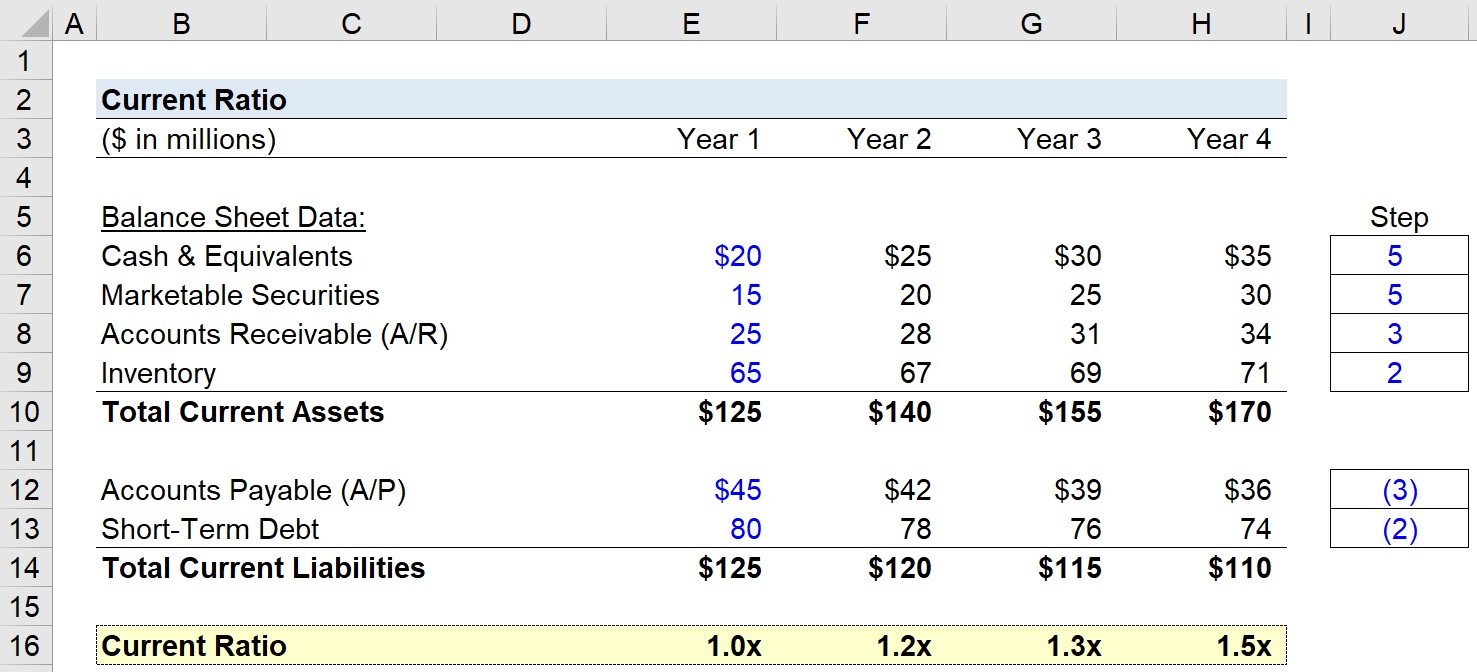
Start by collecting the company’s financial statements. Look for the balance sheet, which lists assets and liabilities. Identify the total current assets. These include cash, accounts receivable, and inventory. Next, find the total current liabilities. These cover accounts payable, short-term loans, and other debts due soon.
Applying The Formula
Use the current ratio formula: Current Ratio = Current Assets ÷ Current Liabilities. Divide the total current assets by the total current liabilities. Use a calculator or spreadsheet to ensure accuracy. This step gives a clear number to understand the company’s liquidity.
Interpreting The Result
A current ratio above 1 means the company can cover its short-term debts. A ratio below 1 shows potential liquidity problems. Aim for a ratio between 1.5 and 3 for healthy financial status. Use this number to assess how well the company manages its short-term obligations.
Practical Examples
Understanding the current ratio becomes clearer with real-life examples. These practical cases show how different businesses calculate and use this important financial metric. You will see how current assets and liabilities impact the ratio and what it tells about a company’s financial health.
Example 1: Small Business
Imagine a small bakery with current assets of $20,000. These include cash, inventory, and accounts receivable. The bakery has current liabilities of $10,000. These are short-term debts and bills due soon.
To find the current ratio, divide current assets by current liabilities.
Current ratio = $20,000 ÷ $10,000 = 2.0
This means the bakery has twice as many current assets as liabilities. It can easily pay off its short-term debts.
Example 2: Large Corporation
A large corporation reports current assets of $1,000,000. This includes cash, inventory, and accounts receivable. The current liabilities are $800,000, including short-term loans and payables.
The current ratio calculation looks like this:
Current ratio = $1,000,000 ÷ $800,000 = 1.25
This ratio shows the corporation has $1.25 in current assets for every $1 of current liabilities. It has enough resources but less cushion than the bakery.
Limitations Of Current Ratio
The current ratio is a helpful tool to measure a company’s ability to pay short-term debts. It compares current assets to current liabilities. Despite its usefulness, the current ratio has some limits. These limits can cause confusion or wrong conclusions if not understood well.
Knowing these limits helps readers use the current ratio correctly. It also shows why this ratio should not be the only measure of financial health.
Potential Misinterpretations
The current ratio does not show the quality of assets. Some assets might not turn into cash quickly. For example, inventory can be hard to sell fast. A high current ratio might look good but still hide cash flow problems.
Companies with a low current ratio are not always in trouble. They might manage cash better or have fast payments. The current ratio alone can mislead about a company’s real situation.
Industry Variations
Different industries have different standards for current ratios. Retail businesses often keep more inventory, raising their ratio. Service companies might have fewer assets, so their ratio is lower.
Comparing current ratios between industries can cause wrong judgments. It is better to compare companies within the same industry. This makes the current ratio more meaningful and accurate.
Credit: corporatefinanceinstitute.com
Improving Your Current Ratio
Improving your current ratio shows better short-term financial health. It means your business can pay off debts easier. A higher current ratio builds trust with lenders and suppliers. Focus on managing assets and controlling liabilities to improve this ratio effectively.
Managing Assets
Keep track of your current assets regularly. Turn inventory into cash faster by selling slow-moving items. Collect accounts receivable quickly to increase cash on hand. Avoid tying too much money in non-liquid assets. Maintain a good cash balance for daily needs.
Controlling Liabilities
Pay off short-term debts promptly to reduce liabilities. Negotiate better payment terms with suppliers to delay outflows. Avoid taking unnecessary loans that increase current liabilities. Plan expenses carefully to keep liabilities under control. Lower liabilities raise your current ratio and financial stability.
Credit: www.wallstreetprep.com
Frequently Asked Questions
What Is The Current Ratio In Accounting?
The current ratio measures a company’s ability to pay short-term debts. It is calculated by dividing current assets by current liabilities. A higher ratio indicates better liquidity and financial health.
How Do You Calculate Current Assets For Current Ratio?
Current assets include cash, accounts receivable, inventory, and other assets expected to convert into cash within a year. Add these values together to find total current assets for the current ratio.
Why Is The Current Ratio Important For Businesses?
The current ratio shows a company’s short-term financial stability. It helps investors and creditors assess if the business can cover its liabilities with available assets, ensuring smooth operations.
What Is A Good Current Ratio Value?
A current ratio between 1. 5 and 3 is generally considered healthy. Below 1 indicates liquidity issues, while too high may suggest inefficient use of assets.
Conclusion
Calculating the current ratio helps you see a company’s short-term health. It compares current assets to current liabilities clearly. This simple formula shows if a business can pay bills soon. A higher ratio means better financial safety. Keep this number in mind when checking a company’s strength.
Understanding the current ratio supports smart decisions in business and accounting. Practice using it with real numbers for confidence. Small steps lead to big improvements in financial knowledge.
As an Amazon Associate, I earn from qualifying purchases.
