
Are you wondering if cameras in the classroom are legal? This question might be on your mind whether you’re a parent, teacher, or student.
Cameras can bring safety and transparency, but they also raise important privacy concerns. Understanding the laws around classroom cameras is crucial before you make any decisions. You’ll discover what the rules say, how they affect you, and what to watch out for.
Keep reading to get the full picture and protect your rights.
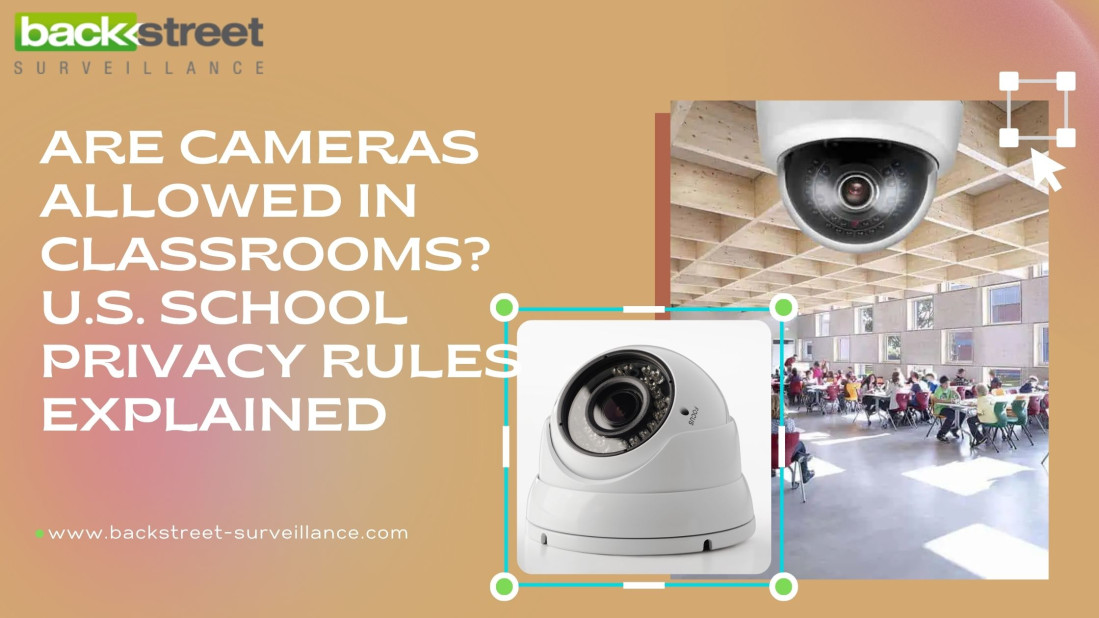
Credit: www.backstreet-surveillance.com
Legal Status Of Classroom Cameras
Classroom cameras raise many legal questions. Schools want to keep students safe. Cameras can help with security and discipline. But the law must protect privacy too.
Understanding the legal status of these cameras is important. Laws vary by country, state, and school district. Some rules are clear, others less so. Knowing the rules helps schools and families.
Federal Laws Impacting Surveillance
Federal laws set some rules for school surveillance. The Family Educational Rights and Privacy Act (FERPA) protects student records. It limits who can see video recordings. Schools must keep videos private and secure.
The Children’s Online Privacy Protection Act (COPPA) may apply if cameras use online storage. Schools must get permission before collecting data from young children. These laws ensure basic privacy rights.
State-specific Regulations
Each state has its own rules about classroom cameras. Some states allow cameras with clear notice to parents and teachers. Others require strict consent forms. Some states ban cameras in certain areas like bathrooms or locker rooms.
State laws also control how long schools keep footage. Rules vary on who can access recordings. Schools must follow their state’s specific regulations.
Privacy Rights Of Students And Teachers
Students and teachers have the right to privacy. Cameras should not record private moments. Schools must balance safety with respecting privacy. Teachers often want to know where cameras are placed.
Parents usually want clear information about camera use. Schools should explain why cameras exist and how footage is handled. Respecting privacy builds trust in the school community.
Common Reasons For Installing Cameras
Cameras in classrooms have become more common in many schools. They serve different purposes that help improve the learning environment. Understanding why schools install cameras helps explain their legal use.
Many schools want to keep students safe and make sure rules are followed. Cameras can help achieve these goals by providing clear evidence when needed. They also help create a better space for both students and teachers.
Enhancing Student Safety
Student safety is a top priority for schools. Cameras can watch over hallways, entrances, and classrooms. This helps stop unsafe behavior or emergencies early. Parents and staff feel more secure knowing the area is monitored.
Monitoring Teacher Conduct
Cameras allow schools to observe how teachers interact with students. This ensures teachers follow school policies and treat students fairly. It also helps settle disputes or complaints quickly and fairly.
Preventing Bullying And Misconduct
Bullying happens in many schools and can harm students deeply. Cameras help catch bullying when it occurs. They also stop bad behavior by making students think twice before acting out. This creates a more positive school climate.
Privacy Concerns And Limitations
Installing cameras in classrooms raises important privacy concerns. Schools must protect students’ and teachers’ rights. Privacy limits exist to keep everyone safe and respected. Understanding these rules helps schools follow the law and build trust.
Consent Requirements
Consent is vital before using cameras in schools. Parents or guardians usually must agree to recordings. Teachers should also know about cameras in their rooms. Schools often need written permission to start filming. Without consent, recording may be illegal.
Areas Off-limits For Cameras
Some classroom areas cannot have cameras. Bathrooms and changing rooms are always off-limits. Private offices and staff rooms often have restrictions too. Schools must avoid recording where privacy is expected. This protects personal space and dignity.
Data Storage And Access Controls
Recorded videos must be stored securely. Access to videos should be limited to authorized staff. Schools need clear rules about who can view recordings. Data must be protected from theft or misuse. Proper controls keep student information safe.
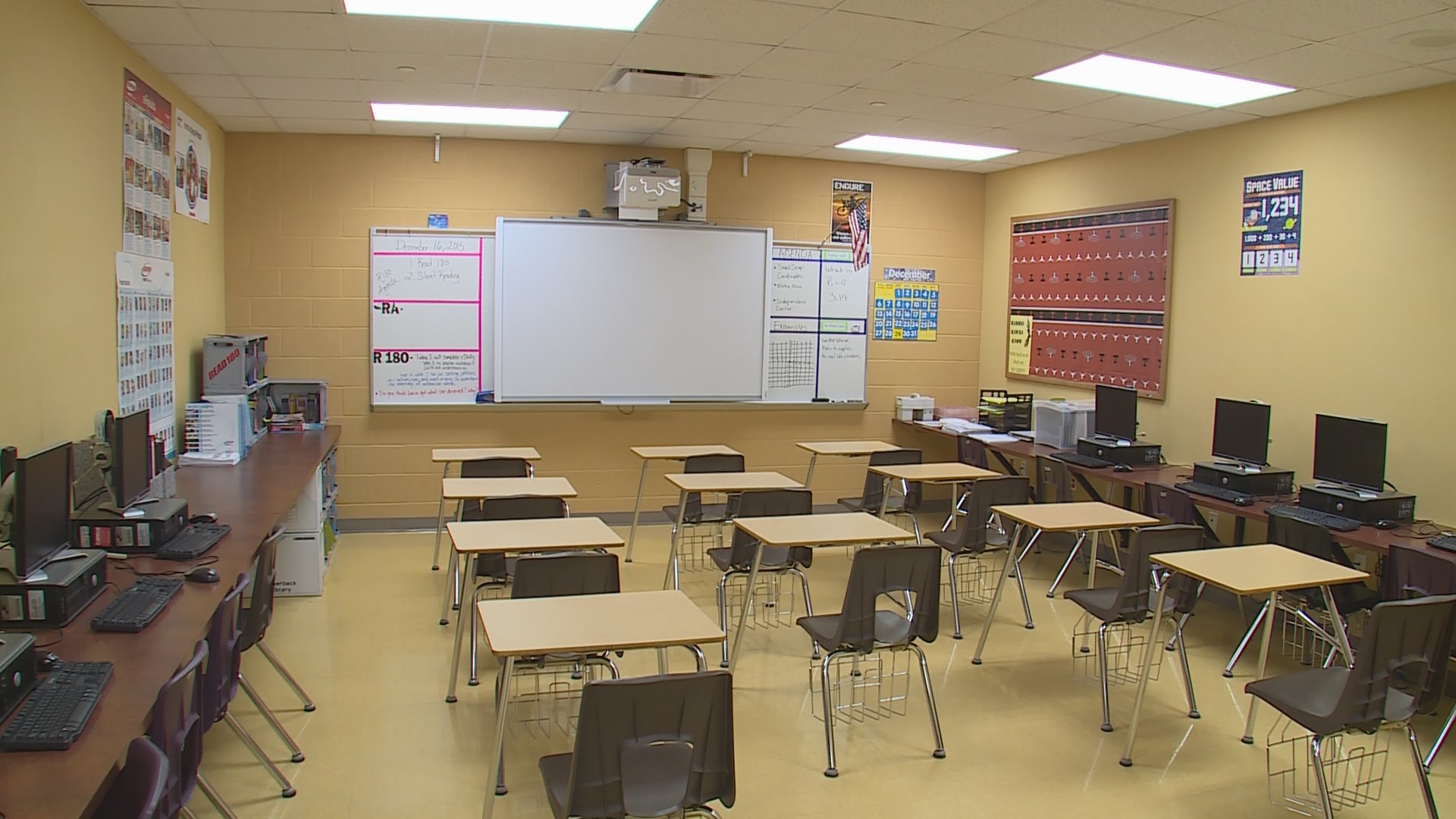
Credit: www.kens5.com
Impact On School Environment
Installing cameras in classrooms changes how schools feel and work. It affects students, teachers, and the overall school mood. Understanding these effects helps decide if cameras belong in learning spaces.
These changes touch on behavior, teaching style, and the balance between feeling safe and feeling watched.
Effect On Student Behavior
Students often act differently when they know cameras watch them. Some become more careful and follow rules better. Others may feel nervous or distracted by the constant observation. This can affect how they learn and interact with classmates.
Over time, students may get used to cameras or keep feeling uneasy. This impact varies by age and personality.
Teacher Reactions And Adaptations
Teachers notice changes too. Some feel supported by cameras for safety and accountability. Others worry about privacy and stress from being recorded. Many adjust their teaching to fit the new environment.
Some teachers use cameras to improve lessons or classroom management. Others find it hard to relax and teach naturally.
Balancing Security And Trust
Cameras can make schools safer by deterring bad behavior. They can also build trust if used openly and fairly. Yet, too much surveillance can cause fear and reduce trust between students and staff.
Finding the right balance means protecting everyone without feeling like a prison. Clear rules and honest talk about cameras help maintain trust and respect.
Legal Cases And Precedents
Legal cases about cameras in classrooms shape the rules schools follow. Courts decide if cameras respect student privacy and safety. These decisions guide schools and lawmakers on this sensitive issue.
Understanding key court rulings helps us see the legal boundaries. These cases set important precedents for future actions in schools.
Notable Court Rulings
Several court cases have addressed the use of cameras in classrooms. Courts often balance student privacy with the need for security. Some rulings allow cameras if they do not record audio or invade private moments.
In some cases, courts ruled against cameras because they violated students’ privacy rights. Others approved cameras to prevent bullying and protect students. Each decision depends on the facts and local laws.
Implications For Future Policies
These legal rulings influence how schools write their camera policies. Schools must clearly state why and where cameras are used. Policies often include rules about who can view recordings and how long they are kept.
Future laws may require more transparency and stronger privacy protections. Schools may need to get permission from parents or students. Courts will continue to watch for fair and safe use of cameras.

Credit: www.eufy.com
Alternatives To Classroom Cameras
Many schools want to keep classrooms safe and well-managed. Cameras are one option, but they raise legal and privacy concerns. Schools can explore other ways to monitor and support students without using cameras. These alternatives can be effective and respect privacy.
Increased Adult Supervision
Having more adults in the classroom helps maintain order. Teachers, aides, or volunteers can watch students closely. They can quickly address problems before they grow. This method builds trust between students and staff. It also keeps the environment friendly and respectful.
Technology-based Monitoring Tools
Schools can use tools like software to track attendance or behavior. These tools do not record video but collect useful data. They alert teachers about unusual activity or absences. This helps staff respond faster without invading privacy. Many tools also support positive behavior management.
Promoting Open Communication
Encouraging students to speak up improves classroom safety. Students feel safer when they can share concerns. Teachers can create a welcoming space for honest talks. Regular check-ins and group discussions help build this culture. Open communication reduces the need for constant surveillance.
Frequently Asked Questions
Are Classroom Cameras Legal In Public Schools?
Classroom cameras are generally legal in public schools if used for safety and supervision. Schools must follow privacy laws and inform parents and staff about camera use. Laws vary by state, so schools should comply with local regulations to avoid legal issues.
Can Teachers Record Students Without Consent?
Teachers usually cannot record students without consent. Privacy laws require schools to inform parents and obtain permission before recording. Unauthorized recordings can lead to legal consequences and privacy violations. Transparency is essential to ensure trust and protect student rights.
Do Cameras In Classrooms Violate Student Privacy?
Cameras in classrooms can raise privacy concerns but don’t automatically violate rights. Proper use involves clear policies, limited recording, and secure storage. Schools must balance safety benefits with respecting student privacy to maintain a safe learning environment.
How Do Laws Regulate Cameras In Private Schools?
Private schools have more flexibility but must follow state privacy laws. They often require parental consent before installing cameras. Policies should be clear about camera locations and purpose to ensure legal compliance and protect student privacy.
Conclusion
Cameras in classrooms often follow strict laws and rules. Schools must respect privacy and safety for everyone. Laws differ by location, so schools check local rules first. Many use cameras to keep students safe and improve teaching. Parents and teachers should talk openly about using cameras.
Clear rules help avoid problems and build trust. Cameras can help, but they need careful use. Understanding the law keeps classrooms safe and respectful.
As an Amazon Associate, I earn from qualifying purchases.
