
Have you ever wondered if hidden cameras are illegal? Maybe you’re thinking about using one for security or curiosity, but you’re unsure about the rules.
Knowing what’s legal and what’s not can protect you from serious trouble. This article will clear up the confusion and help you understand exactly when hidden cameras cross the line. Keep reading, because what you don’t know could cost you more than you think.
Laws On Hidden Cameras
Understanding the laws on hidden cameras is essential before using one. These laws protect privacy and set clear rules for camera use. They vary widely depending on the place and purpose. Knowing these rules helps avoid legal trouble and respects others’ rights.
Federal Regulations
The federal government has some rules about hidden cameras. These rules mainly focus on wiretapping and recording audio. Recording audio without consent is often illegal under federal law. Video recording without sound is less regulated but still can have limits. Federal laws apply across all states but do not cover every situation.
State Variations
Each state has its own laws about hidden cameras. Some states require all parties to agree before recording audio. Others only need one party’s consent. Video recording rules also differ by state. Some states forbid recording in private places even without audio. Always check local laws to understand specific rules.
Public Vs Private Spaces
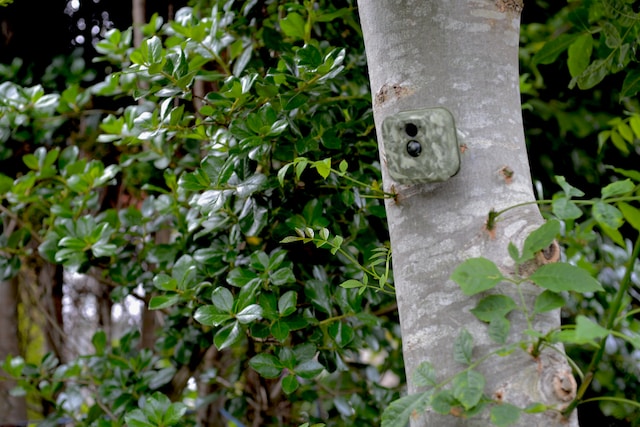
Privacy expectations change between public and private spaces. In public places, people usually have less privacy. Hidden cameras in public areas are often legal if no audio is recorded. Private spaces like homes or bathrooms require much stricter rules. Recording in private spaces without permission is mostly illegal.
Credit: www.ids-securityltd.co.uk
Privacy Rights
Privacy rights protect people from being watched or recorded without their knowledge. These rights keep personal life safe from hidden cameras. Laws vary, but respect for privacy is always key. Understanding these rights helps avoid legal trouble and keeps trust strong.
Expectation Of Privacy
People expect privacy in places like homes, bathrooms, and dressing rooms. They do not expect to be recorded secretly in these areas. Hidden cameras in such places usually break privacy laws. Public spaces have less privacy, but some limits still apply.
Consent Requirements
Consent means getting permission before recording someone. Most laws need at least one person’s consent. Some areas require all people’s consent before using hidden cameras. Without consent, recording can be illegal and punishable by law.
Impact On Personal Privacy
Hidden cameras can harm personal privacy deeply. They can cause stress, fear, and loss of trust. People may feel unsafe in their own spaces. Protecting privacy helps keep dignity and peace of mind.
Common Illegal Uses
Hidden cameras can invade privacy and break laws. Many uses of these devices cross legal lines. Understanding common illegal uses helps protect personal rights and avoid trouble.
Workplace Surveillance
Using hidden cameras at work without permission is illegal. Employers must inform employees about any monitoring. Secret recordings can harm trust and violate labor laws. Workers have the right to privacy during breaks and in private areas.
Home Intrusions
Placing hidden cameras in someone else’s home is a serious crime. It invades personal space and privacy. Recording without consent can lead to legal penalties. Respecting boundaries in private homes is crucial for safety.
Recording In Bathrooms And Bedrooms
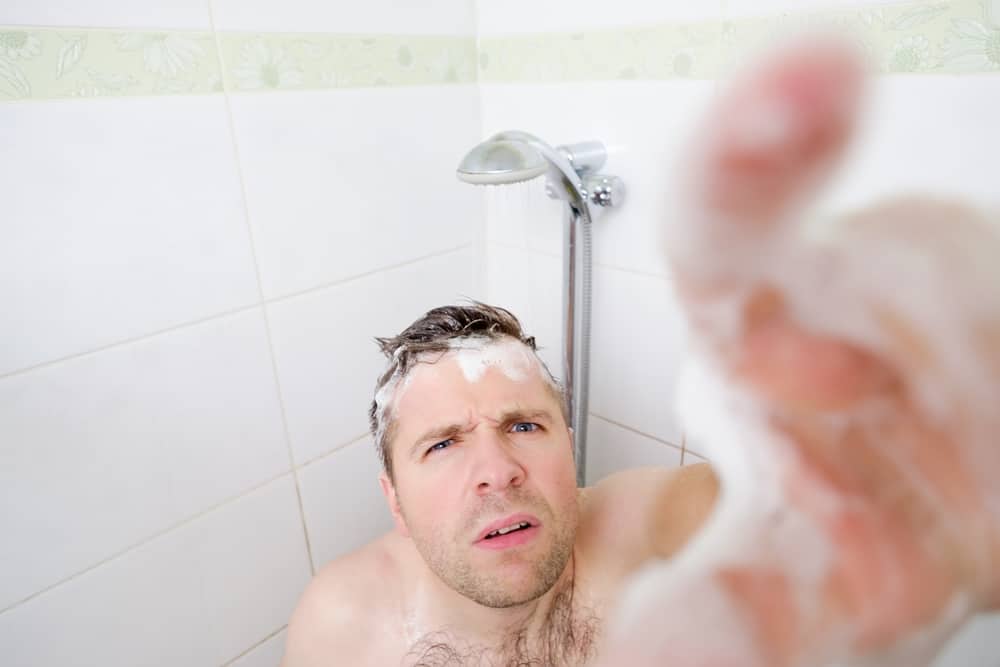
Hidden cameras in bathrooms or bedrooms are illegal almost everywhere. These places are private by nature. Recording here violates privacy rights and can cause emotional harm. Laws protect people from such secret recordings in intimate spaces.
Credit: www.safehome.org
Legal Uses Of Hidden Cameras
Hidden cameras can raise many questions about privacy and legality. Yet, they serve many legal purposes that help protect people and property. Understanding these uses helps clarify when hidden cameras are allowed and why they are important in certain settings.
Security And Safety
Hidden cameras help secure homes and businesses. They catch theft or vandalism without alerting wrongdoers. These cameras also monitor sensitive areas to prevent accidents. They act as silent guards, keeping places safer.
Law Enforcement Applications
Police use hidden cameras during investigations. They gather evidence without disturbing suspects. This helps solve crimes more efficiently. Hidden cameras also protect officers by recording interactions.
Parental Monitoring
Parents use hidden cameras to watch over their children. They check caregivers and babysitters to ensure safety. These cameras provide peace of mind, especially when parents are away.
Consequences Of Illegal Use
Using hidden cameras without permission can lead to serious trouble. Laws protect people’s privacy, and breaking these rules has strong consequences. Understanding these penalties helps avoid risky actions and legal problems.
Criminal Penalties
Illegal use of hidden cameras can result in criminal charges. Courts may impose fines or jail time. The severity depends on the location and intent. Secretly recording in private places often leads to harsher punishments. These penalties aim to protect people’s privacy rights.
Civil Lawsuits
Victims of illegal recording can sue for damages. They may seek money for emotional harm and privacy invasion. Civil cases do not require proof of criminal intent. Even accidental recordings can lead to lawsuits. Court decisions may include compensation and injunctions against further use.
Evidence Admissibility
Illegally recorded footage often cannot be used in court. Judges exclude evidence obtained without consent. This rule discourages unlawful surveillance. Using such evidence can harm your case. Legal recordings must follow strict guidelines to be accepted.
How To Use Hidden Cameras Legally
Using hidden cameras can protect your home or business. Knowing the legal rules helps avoid trouble. Clear steps guide how to use these cameras safely and lawfully.
Obtaining Consent
Consent means getting permission from people recorded. In many places, you must tell people before recording. This keeps privacy safe and respects others. Always ask for permission in writing if possible. Without consent, hidden cameras can break the law.
Posting Notices
Notices warn people that cameras are in use. Signs should be clear and easy to read. Place signs at entrances or visible spots. Notices let visitors know they may be recorded. This simple step can protect you legally.
Best Practices
Use hidden cameras only in private or public spaces allowed by law. Avoid recording in bathrooms or changing rooms. Store video footage securely and delete it after use. Check local laws often, as rules can change. Use cameras responsibly to respect privacy.

Credit: jeffweinsteinlaw.com
Frequently Asked Questions
Are Hidden Cameras Illegal To Use At Home?
Hidden cameras at home are legal if you own the property. Recording in private spaces without consent may be illegal. Always inform guests or family members to avoid privacy violations and legal issues.
Can Hidden Cameras Be Used In The Workplace Legally?
Using hidden cameras at work is legal only for security purposes. Employers must follow local laws and notify employees in many regions. Secret recording without consent can lead to legal consequences.
Is It Illegal To Record Audio With Hidden Cameras?
Recording audio secretly is often illegal without consent. Audio laws vary by jurisdiction, but most require all-party consent. Always check local regulations before using hidden cameras with audio recording.
What Are The Penalties For Illegal Hidden Camera Use?
Penalties for illegal hidden camera use include fines and imprisonment. Punishments vary by country and offense severity. Unauthorized recording infringes privacy rights and is strictly punished by law.
Conclusion
Hidden cameras can break the law in many places. Privacy rules protect people from secret recordings. Always check local laws before using hidden cameras. Respect others’ rights and use cameras carefully. Knowing the rules helps avoid fines and trouble. Safety matters, but so does privacy.
Being responsible keeps everyone safer and happier. Choose clear and honest ways to stay secure.
As an Amazon Associate, I earn from qualifying purchases.
