
As an Amazon Associate, I earn from qualifying purchases.
Have you ever wondered if schools can legally install cameras inside classrooms? Whether you’re a parent, teacher, or student, this question touches on your privacy, safety, and rights.
Cameras in classrooms can bring a sense of security, but they also raise important concerns you should know about. You’ll discover what the rules say, why schools might use cameras, and how it could affect your daily school life. Keep reading to get the clear answers you deserve.
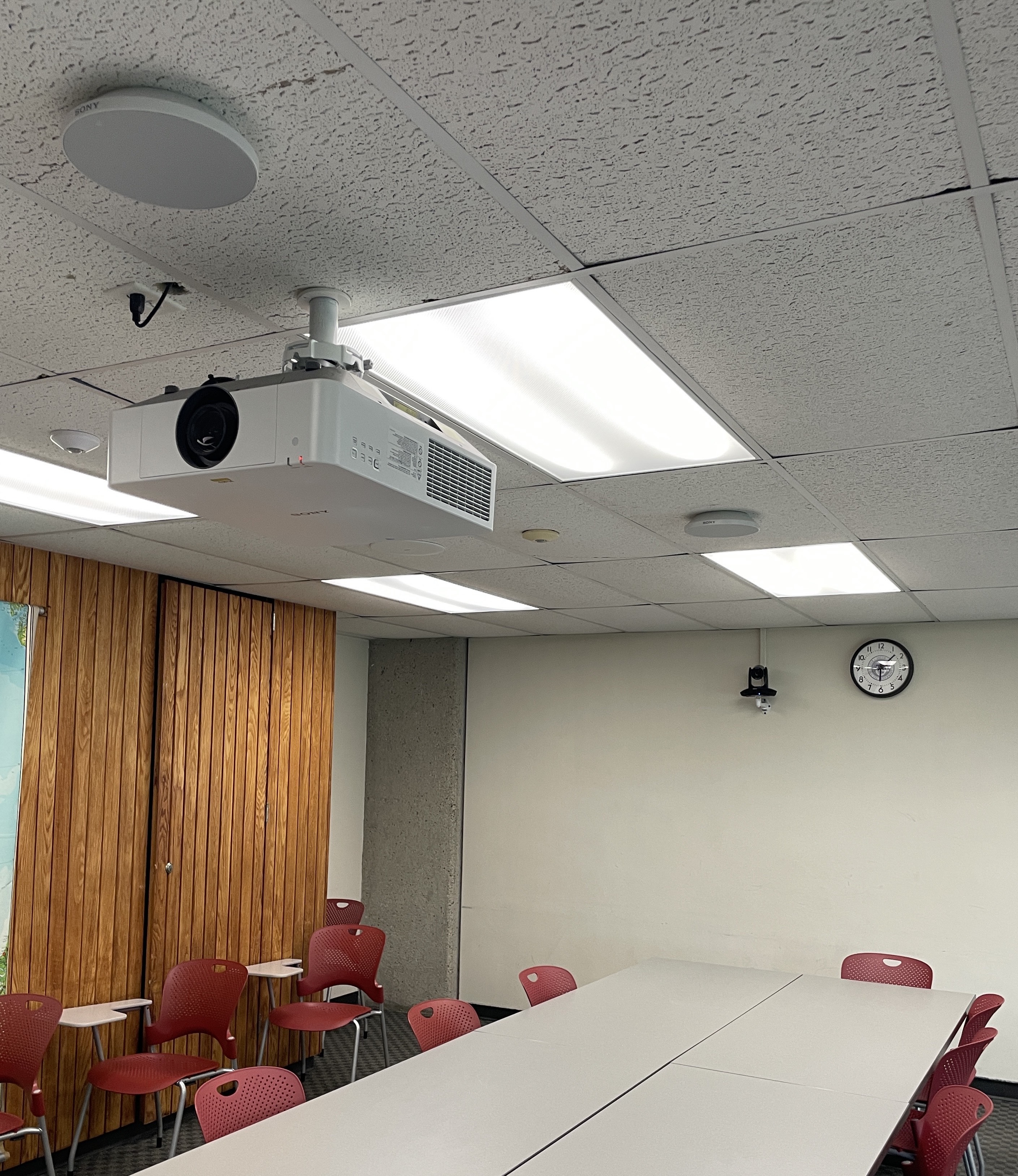
Credit: www.brandeis.edu
Legal Framework For Classroom Cameras
Schools often install cameras in classrooms to improve safety and monitor behavior. The legal framework shapes how schools can use these cameras. It includes federal laws, state rules, and privacy rights. Understanding these rules helps schools follow the law and protect everyone.
Federal Laws Impacting Surveillance
Federal laws set basic rules for classroom cameras. The Family Educational Rights and Privacy Act (FERPA) protects student education records. Video recordings may count as records if stored or shared. Schools must keep recordings private and secure. The Fourth Amendment also limits unreasonable searches and seizures. Cameras should not invade privacy without good reason.
State Regulations And Variations
States have different laws about classroom cameras. Some states require schools to notify parents and staff before using cameras. Others limit camera placement, avoiding bathrooms or locker rooms. Some states ban audio recording without consent. Schools must check their state laws before installing cameras. Rules can change, so staying updated is important.
Privacy Rights Of Students And Teachers
Students and teachers have privacy rights in classrooms. Cameras should not record private moments or personal conversations. Schools must balance safety with respect for privacy. Consent from teachers and parents may be needed. Clear policies help everyone understand camera use. Protecting privacy builds trust in school communities.

Credit: www.13wmaz.com
Reasons Schools Use Cameras
Schools use cameras for many reasons. Cameras help create a safer and more controlled environment. They also support teachers and protect students from harm. Understanding these reasons shows why cameras may be placed in classrooms.
Enhancing Student Safety
Cameras help keep students safe from harm. They allow staff to watch over school areas. This can stop accidents or dangerous acts quickly. Cameras also help during emergencies by providing real-time views.
Monitoring Teacher Performance
Cameras can help schools check teacher behavior. They provide proof of what happens during lessons. This helps ensure teachers follow rules and teach well. Schools can also use footage to support teacher training.
Preventing Bullying And Misconduct
Cameras discourage bullying and bad behavior. Students know they are being watched. This lowers the chance of fights or harassment. Footage can also help find the truth in disputes.
Privacy Concerns And Challenges
Installing cameras in classrooms raises many privacy concerns. Schools must handle these issues carefully. Students, teachers, and parents worry about constant monitoring and data security. Privacy challenges affect trust and the learning environment. Understanding these concerns helps to address them properly.
Balancing Security And Privacy
Schools want to keep students safe. Cameras can help prevent bullying and violence. But constant video recording can invade privacy. Finding the right balance is hard. Schools must create clear rules about camera use. Cameras should only record what is necessary. Respecting privacy builds trust in schools.
Concerns From Parents And Educators
Many parents worry about their children’s privacy. They ask who can see the footage and why. Teachers feel uncomfortable being watched all the time. Cameras may affect how teachers teach. Parents and educators want clear explanations. They need to know how schools protect the data.
Potential Risks Of Surveillance Abuse
Camera footage can be misused or hacked. Unauthorized people might access sensitive videos. Schools must secure all recordings carefully. Misuse can harm students and staff. Surveillance abuse could lead to bullying or spying. Strict policies must prevent these risks effectively.
Consent And Notification Requirements
Schools must follow clear rules about consent and notification before using cameras in classrooms. These rules protect students’ privacy and keep families informed. Schools cannot just install cameras without telling anyone. They need to explain why cameras are used and get permission in many cases.
Informing Students And Parents
Schools must tell students and parents if cameras are in classrooms. Notice should explain where cameras are placed and what they record. This helps families understand the purpose of the cameras. Clear information builds trust between schools and families. Notices can be sent by letter, email, or posted online.
Obtaining Permission For Recording
In many places, schools need permission to record students. Parents or guardians often must sign consent forms. This consent shows they agree with the camera use. Without permission, schools may not record or store video. Permission protects student rights and keeps schools accountable.
Exceptions And Special Cases
Some situations allow cameras without explicit consent. For example, if safety is at risk or in emergencies. Schools may use cameras to prevent bullying or violence. Laws vary by state or country, so rules differ. Schools must still notify families about camera presence, even in special cases.
Court Cases And Legal Precedents
Legal battles and court decisions shape the rules about cameras in classrooms. These cases set the limits on privacy and security for students and teachers. Courts balance safety concerns with individual rights.
Understanding these legal precedents helps schools decide how to use surveillance technology. It also informs parents and students about their rights in monitored classrooms.
Notable Lawsuits Involving Classroom Cameras
Some lawsuits challenged schools for placing cameras without consent. In many cases, courts examined if cameras violated students’ privacy rights. These lawsuits often focus on hidden or audio-recording devices.
One case involved a school that installed cameras in locker rooms. The court ruled this was an invasion of privacy. Another case allowed classroom cameras only for safety, not constant monitoring.
Judicial Opinions On Surveillance
Judges often say cameras are okay if they protect students from harm. Surveillance must not capture private moments like bathrooms or changing areas. Courts stress transparency, meaning schools should inform families about cameras.
Some rulings highlight that recording audio can be illegal without permission. Video alone, used openly, usually passes legal tests. Courts warn against using footage to punish students unfairly.
Impact On Future School Policies
These cases guide schools in making clear policies on cameras. Schools must balance safety with respect for privacy. Policies often include where cameras are placed and who can view footage.
Schools now often require parental notice before installing cameras. Some districts limit camera use to common areas, not classrooms. Legal precedents push schools to adopt fair, transparent surveillance rules.
Best Practices For Schools
Schools use cameras to keep students safe and monitor activities. Best practices help schools use cameras responsibly. These practices protect students’ privacy and support a safe learning environment.
Clear Surveillance Policies
Schools must create clear rules about camera use. These rules explain where cameras can be placed and who can watch the footage. Teachers, students, and parents should know these rules. Clear policies prevent misunderstandings and build trust.
Securing Recorded Data
Recorded videos must be stored safely. Schools should use strong passwords and limit access to authorized staff only. Data must be protected from theft or misuse. Secure storage keeps student information private and safe.
Balancing Transparency And Security
Schools should be open about camera use but keep sensitive data secure. Sharing basic information helps students and parents feel comfortable. At the same time, schools must guard against misuse of recordings. Balance creates a safe and trusting school community.
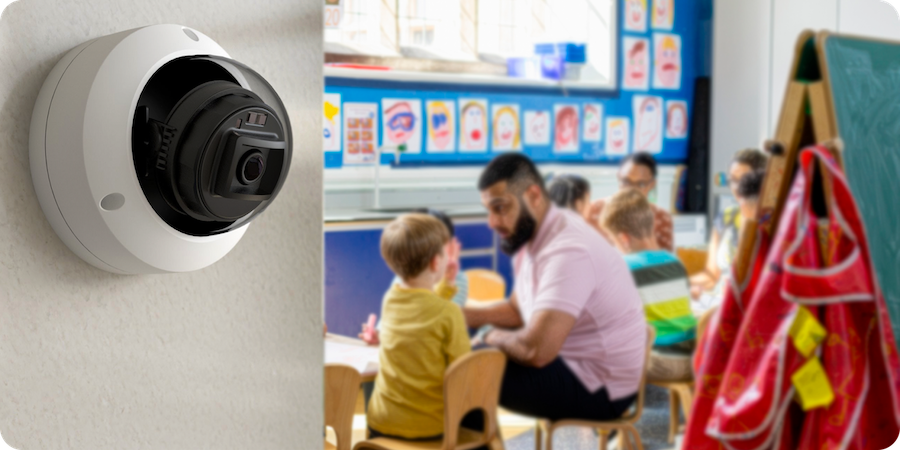
Credit: www.rhombus.com
Frequently Asked Questions
Are Cameras Legally Allowed In Classrooms?
Schools can install cameras if they follow privacy laws. Laws vary by state and country. Consent from parents or guardians is often required to ensure legal compliance.
What Are The Main Reasons For Classroom Cameras?
Cameras help improve student safety and prevent bullying. They also assist in monitoring teacher performance and resolving disputes quickly. Security and accountability are key reasons for installation.
How Do Cameras Affect Student Privacy In Schools?
Cameras may raise privacy concerns if used improperly. Schools must balance safety with respecting student rights. Clear policies and limited access to footage protect privacy.
Can Parents Request Cameras In Their Child’s Classroom?
Parents can request cameras but approval depends on school policies. Schools consider legal, privacy, and safety factors before installing cameras. Parental input is important but not the sole factor.
Conclusion
Schools can use cameras in classrooms with clear rules and consent. Cameras help improve safety and keep records of events. Privacy concerns remain important and must be respected. Parents, teachers, and students should agree on camera use. Laws differ by place, so schools must follow them closely.
Cameras are tools, not solutions on their own. Careful use can create a safer learning space for all. The balance between safety and privacy matters most.
As an Amazon Associate, I earn from qualifying purchases.
