
Are you wondering if soundbars can truly be wireless? You’re not alone.
Many people want the clean, clutter-free look that wireless soundbars promise, but questions about how they work and whether they’re worth it often come up. You’ll discover the truth about wireless soundbars, how they connect to your devices, and what to expect from them.
By the end, you’ll know exactly if a wireless soundbar is the right choice for your home entertainment setup. Keep reading to clear up the confusion and make the best decision for your sound experience.
Wireless Soundbar Basics
Wireless soundbars bring freedom to your home audio setup. Without messy wires, they create a clean look. They connect easily to your TV or other devices. Understanding how they work helps you choose the right one.
Wireless soundbars use different technologies to send audio signals. These connections affect sound quality and ease of use. Knowing the basics makes your setup simple and effective.
What Makes A Soundbar Wireless
A soundbar is wireless if it connects without cables. It can send and receive audio signals through radio waves or Bluetooth. This setup reduces the number of wires behind your TV.
Wireless soundbars usually have built-in receivers. These receive signals from TVs or smartphones. Some models also have wireless subwoofers, adding bass without extra cables.
Types Of Wireless Connections
Bluetooth is common for wireless soundbars. It works well for short distances and mobile devices. Bluetooth is easy to use but may have small audio delays.
Wi-Fi connections offer higher sound quality. They support multi-room audio and better range. Wi-Fi soundbars connect through your home network.
Other wireless options include RF and infrared. RF uses radio signals for longer range. Infrared requires line of sight and is less common.

Credit: www.bestproducts.com
Benefits Of Wireless Soundbars
Wireless soundbars offer many benefits that improve your audio experience. They remove the need for extra cables and make your setup simple. These soundbars fit well in any room and connect easily to your devices. Enjoy clear sound without the hassle of wires. Let’s explore key advantages of wireless soundbars.
Easy Setup And Flexibility
Wireless soundbars are quick to set up. No complicated wiring or drilling is needed. Just plug in the power and connect to your TV or phone. You can move the soundbar anywhere in the room. This flexibility helps you find the best sound spot. It suits small or large rooms well.
Clutter-free Entertainment Space
Without many cables, your space looks clean and neat. No tangled wires under the TV or around furniture. It creates a tidy and pleasant area for watching movies or playing games. A clutter-free space feels more relaxing and inviting. Perfect for any living room or bedroom.
Seamless Multi-device Connectivity
Wireless soundbars connect easily to many devices. Use Bluetooth or Wi-Fi to link with phones, tablets, or laptops. Switching between devices is smooth and fast. This helps you enjoy music, podcasts, or videos without interruption. It works well for family or group settings.
Popular Wireless Technologies
Wireless technology makes soundbars easier to use and install. It removes many wires, giving a clean look. Many soundbars use different wireless methods to connect with devices. Each type has unique features and benefits. Understanding popular wireless technologies helps choose the right soundbar for your needs.
Bluetooth Soundbars
Bluetooth is a common wireless technology in soundbars. It connects devices like phones and tablets directly to the soundbar. The setup is quick and simple. Bluetooth works well for casual listening and small rooms. It has a limited range, usually about 30 feet. Sound quality is good but may not match wired connections.
Wi-fi Enabled Soundbars
Wi-Fi soundbars connect to your home network. This allows streaming music from the internet or other devices on the same network. Wi-Fi supports higher sound quality than Bluetooth. It also lets you control the soundbar with apps or smart assistants. Wi-Fi soundbars suit larger homes and advanced users.
Proprietary Wireless Systems
Some brands use their own wireless technology for soundbars. These systems often improve connection stability and sound quality. They can link soundbars with wireless subwoofers or surround speakers. Proprietary systems reduce delay and interference. This option often provides a better experience but works only with specific brands.
Comparing Wired Vs Wireless Soundbars
Choosing between wired and wireless soundbars can affect your audio experience. Each type has strengths and drawbacks. Knowing the differences helps you pick the right one for your setup. This section compares wired and wireless soundbars in audio quality, installation, and cost.
Audio Quality Differences
Wired soundbars usually offer better sound quality. The direct connection reduces signal loss and interference. Wireless soundbars rely on Bluetooth or Wi-Fi, which can lower audio clarity. Some high-end wireless models maintain good quality, but wired still leads in pure sound.
Installation And Placement
Wireless soundbars are easier to install. No cables mean flexible placement anywhere in the room. Wired soundbars need a direct connection to the TV, limiting their location. Wires can clutter the space and require careful hiding. Wireless models create a cleaner look and less hassle.
Cost Considerations
Wired soundbars tend to cost less. They use simpler technology and fewer components. Wireless soundbars include extra parts for connectivity, raising the price. The price gap narrows with budget wireless options. Choose based on your budget and desired features.
Common Wireless Soundbar Features
Wireless soundbars offer many features that improve how you listen to music and watch TV. These features make setup easy and use more convenient. They connect without cables, giving a neat look to your room. Below are some common wireless soundbar features that users enjoy.
Voice Control Integration
Many wireless soundbars work with voice assistants like Alexa or Google Assistant. You can change volume or switch inputs with simple voice commands. This hands-free control helps when you are busy or far from the remote. Voice control adds smart ease to your listening experience.
App-based Controls
Most wireless soundbars come with a smartphone app. The app lets you adjust sound settings and update software. You can create presets for music, movies, or games. Using the app gives more control than a regular remote. It also makes using the soundbar more fun and personal.
Multi-room Audio Support
Some wireless soundbars connect to other speakers in your home. This feature plays the same music in every room or different songs in each. It uses Wi-Fi or Bluetooth to link the devices. Multi-room audio lets you enjoy sound everywhere without extra wiring.
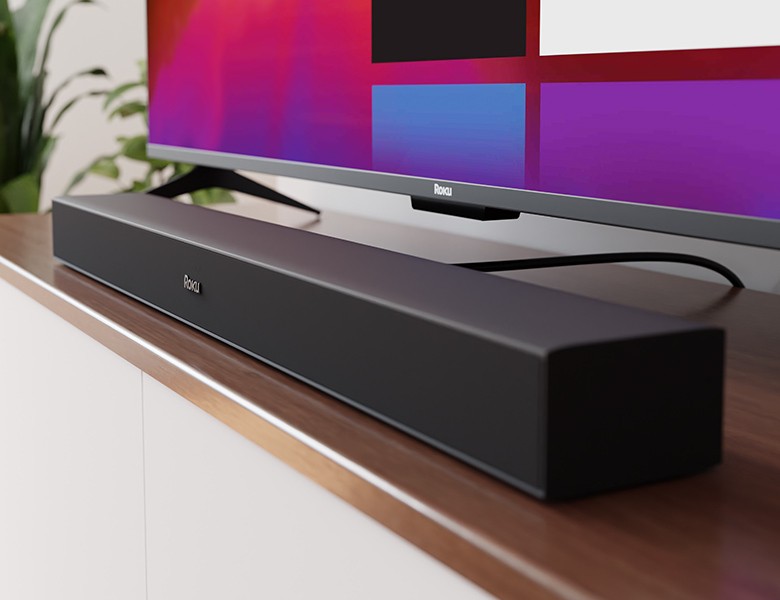
Credit: www.roku.com
Troubleshooting Wireless Issues
Wireless soundbars offer great convenience but sometimes face connection problems. Troubleshooting these issues helps keep your soundbar working well. This section covers common wireless problems and simple fixes to try.
Connection Drops And Interference
Connection drops often happen due to weak signals. Walls and furniture can block wireless signals. Move the soundbar closer to the TV or router for better connection.
Other devices like microwaves or cordless phones cause interference. Turn off or move these devices away from the soundbar. Change the wireless channel on your router to reduce interference.
Latency And Sync Problems
Latency means a delay between the sound and picture. This can happen with wireless soundbars. Try adjusting the audio delay settings on your soundbar or TV. Some soundbars have a lip-sync feature to fix this.
Use the latest Bluetooth or Wi-Fi technology for better sync. Older versions may cause more delay.
Firmware Updates And Compatibility
Firmware updates improve soundbar performance and fix bugs. Check the manufacturer’s website or app for updates. Keep your soundbar and TV firmware up to date.
Compatibility issues can cause wireless problems. Make sure your soundbar supports the same wireless standards as your TV or device. This avoids connection errors and poor sound quality.
Choosing The Right Wireless Soundbar
Choosing the right wireless soundbar can improve your listening experience greatly. It is important to match the soundbar to your room and needs. Consider factors like room size, budget, and future technology to find the best fit. This guide will help you make a smart choice for your home audio setup.
Room Size And Acoustics
Room size affects how sound travels. Small rooms need smaller soundbars with less power. Large rooms require bigger soundbars or extra speakers. Think about furniture and wall materials too. Soft items absorb sound, while hard surfaces reflect it. Pick a soundbar that suits your room’s layout and size. This will give clear and balanced sound.
Budget And Brand Options
Set a budget before shopping for a soundbar. There are many brands offering wireless soundbars at different prices. Cheaper models may lack some features but still offer good sound. Popular brands often provide better build and support. Choose a brand that fits your budget and has positive reviews. Quality matters for long-term use and satisfaction.
Future-proofing Your Setup
Technology changes fast. Pick a soundbar with the latest wireless standards like Bluetooth 5.0 or Wi-Fi. Look for models that support voice assistants and smart home integration. Check if the soundbar can connect with other devices easily. Some soundbars allow adding extra speakers later. This helps keep your system up to date and flexible.

Credit: www.samsung.com
Frequently Asked Questions
Are All Soundbars Wireless?
Not all soundbars are wireless. Some require wired connections for power or audio. Wireless soundbars use Bluetooth or Wi-Fi for easy setup and less clutter.
How Do Wireless Soundbars Connect To Tvs?
Wireless soundbars typically connect via Bluetooth or Wi-Fi. Some use HDMI ARC or optical cables for better audio quality while maintaining minimal wiring.
Can Wireless Soundbars Offer Good Audio Quality?
Yes, many wireless soundbars deliver excellent audio. Advances in technology ensure clear sound, deep bass, and surround effects comparable to wired systems.
Do Wireless Soundbars Need Power Cables?
Yes, most wireless soundbars still require a power cable. They are wireless in terms of audio connection but need power to operate.
Conclusion
Soundbars come in both wired and wireless options. Wireless soundbars offer easy setup and less clutter. They connect through Bluetooth or Wi-Fi for convenience. Wired soundbars may provide more stable connections. Choosing depends on your room and device needs. Wireless models suit those who want flexibility.
Remember to check compatibility with your TV. Soundbars enhance sound quality and improve your experience. Consider your preferences before making a choice. Wireless soundbars make listening simple and neat.
As an Amazon Associate, I earn from qualifying purchases.
