
Have you ever stepped into an elevator and wondered, “Are there cameras watching me right now?” It’s a question that crosses many people’s minds. You might feel curious, or even a bit uneasy about your privacy during those brief moments between floors.
You’ll discover the truth about elevator cameras—why they’re there, where they’re placed, and what it means for your safety and privacy. Keep reading to find out exactly what’s happening inside that small, moving box you use every day.
Presence Of Cameras In Elevators
Cameras in elevators are quite common in many buildings. They help keep people safe and secure. Many people wonder if cameras are always present or only in certain elevators. The presence of cameras depends on the building’s rules and safety needs.
These cameras are usually small and placed where they can record clearly. They do not disturb passengers but serve an important role in security. Understanding where these cameras are placed and why can help people feel safer.
Common Locations For Elevator Cameras
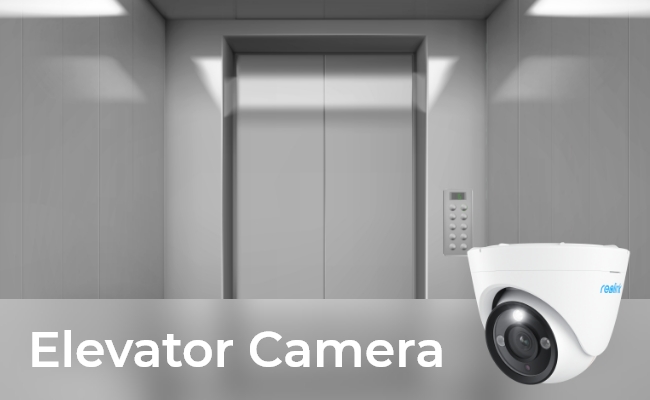
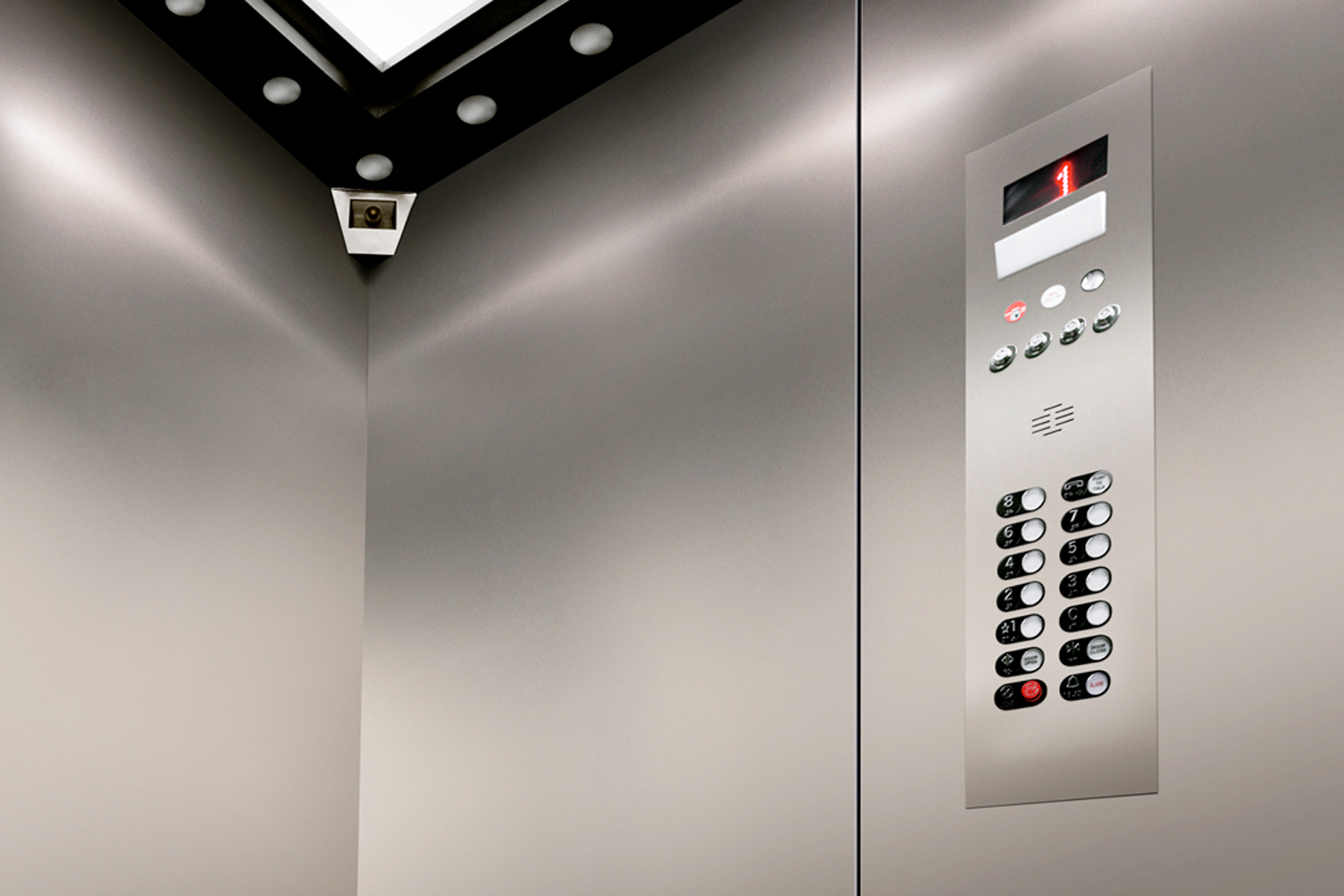
Cameras in elevators are often placed in the top corners. This position gives a wide view of the whole elevator cabin. Some cameras are hidden behind small panels or smoke detectors.
Other common spots include near the ceiling or above the control panel. These places avoid blocking passengers’ movements or view. The goal is to cover the elevator without making the camera too obvious.
Reasons For Installing Cameras
Cameras in elevators help prevent crimes like theft or vandalism. They also help monitor any accidents or emergencies. Building owners use cameras to increase safety for everyone.
In case of any problems, recorded footage can help identify what happened. Cameras also discourage bad behavior because people know they are being watched. This helps make elevators safer for all users.
Credit: reolink.com
Legal Aspects Of Elevator Surveillance
Elevator surveillance raises important legal questions. Cameras in elevators protect safety but also affect privacy. Laws control how and when cameras can record. These rules vary by region but share common goals. Protecting people’s privacy while ensuring security is key. Understanding these legal aspects helps building owners and users stay informed.
Privacy Laws And Regulations
Privacy laws limit how surveillance cameras operate. Many regions require cameras to avoid private areas. Elevators are public spaces but still need respect for privacy. Laws often prohibit audio recording to protect conversations. Video recordings must be stored securely and used responsibly. Breaking privacy laws can lead to fines or lawsuits. Building managers must know and follow these rules carefully.
Consent And Notification Requirements
Many laws require clear notification about elevator cameras. Signs must inform people that surveillance is active. Some places require explicit consent from building users. Consent can be given by entering the elevator after notice. Notification helps people understand their rights and limits. Without notification, recordings may be illegal and unusable. Transparency builds trust between building owners and occupants.
Types Of Cameras Used
Cameras in elevators help keep passengers safe. Different types of cameras serve different needs. Some cameras connect with wires. Others work without wires. The quality of cameras also changes. Some cameras show clear images in low light. Understanding these types helps explain how elevator cameras work.
Wired Vs Wireless Cameras
Wired cameras connect through cables. They send video directly to a recording device. These cameras are reliable and hard to hack. Installation can be tricky because of wires. Wireless cameras use Wi-Fi or radio signals. They are easier to install and move. But wireless cameras may face signal problems. Battery life can also limit their use.
High-definition And Infrared Options
High-definition cameras capture sharp and clear images. They help identify faces and details easily. Infrared cameras work well in dark places. They use invisible light to see in shadows. Elevators often use infrared for night surveillance. Combining both types improves overall safety. Passengers feel secure with clear, all-time video.
Benefits Of Elevator Cameras
Elevator cameras bring many benefits to buildings and their users. They help keep people safe and make the elevator environment more secure. These cameras also support building management by providing important information. Understanding their benefits shows why many places choose to install them.
Safety And Security Enhancements
Cameras in elevators improve safety by monitoring activity inside. They help staff react quickly to emergencies or accidents. If someone feels unsafe, cameras can provide peace of mind. Building owners can check footage to ensure rules are followed. This reduces the chance of dangerous situations going unnoticed.
Crime Deterrence And Evidence Collection
Visible cameras stop many crimes before they happen. People think twice before doing something wrong. If a crime happens, cameras record proof for the police. This helps catch criminals and solve cases faster. Video evidence also helps in legal matters and insurance claims.
Concerns About Elevator Cameras
Cameras in elevators bring safety but raise many concerns. Many people worry about how these cameras affect their privacy. Others fear the cameras might be used in wrong ways. These concerns need careful thought. Understanding these worries helps us see both sides clearly.
Privacy Issues For Passengers
Passengers often feel uneasy about being watched. Elevators are small, closed spaces. Cameras there can capture private moments. People want to feel safe, not watched all the time. Some worry their images may be stored or shared without consent. This creates a sense of lost privacy. Not everyone knows who can see the footage. Clear rules about camera use can help ease these fears.
Potential For Misuse
Cameras can be used for bad reasons. Footage might be seen by wrong people. Hackers could access live or saved videos. Some might use videos to spy or harass others. Misuse of camera footage can harm trust in public spaces. Proper security measures must protect the data. Without protection, cameras become a risk instead of a help.
How To Identify Elevator Cameras
Knowing how to identify cameras in elevators helps you protect your privacy. Cameras may be visible or hidden. Spotting them early is important for safety and comfort. This section explains easy ways to find elevator cameras.
Visual Indicators
Look for small black dots or holes near the ceiling or corners. These often hide camera lenses behind tinted glass. Check unusual objects like smoke detectors or vents. Sometimes, cameras hide inside these devices. Notice any tiny lenses that reflect light. Also, watch for wires leading to odd spots. Consistent, fixed objects facing elevator doors or buttons can be cameras. Bright LED lights near these spots may signal a camera’s presence.
Technology To Detect Hidden Cameras
Use a flashlight to scan dark corners for lens reflections. Special camera detectors sense infrared light emitted by hidden cameras. These devices can find wireless and wired cameras. Smartphone apps also help detect suspicious signals. They scan for unusual Wi-Fi or Bluetooth devices nearby. Radio frequency (RF) detectors identify transmitting cameras. These tools alert you with sounds or lights. Carrying simple detection devices increases your chance to find hidden cameras.
Alternatives To Cameras For Elevator Security
Elevator security is important for the safety of all passengers. Cameras are common, but not the only option. There are other ways to keep elevators safe. These methods help protect people without using video surveillance.
Emergency Communication Systems
Emergency communication systems connect passengers to help quickly. A button inside the elevator allows direct contact with security or emergency services. This system helps in case of power failure, medical issues, or trapped passengers. It gives peace of mind and fast assistance without cameras.
Security Patrols And Monitoring
Security patrols check elevators and building areas regularly. Guards watch for unusual behavior and respond quickly to problems. This presence can stop crime and help passengers feel safe. Monitoring by staff is a good way to keep elevators secure without cameras.
Credit: www.quora.com
Credit: elevatemonitoring.com
Frequently Asked Questions
Are There Cameras Inside All Elevators?
Not all elevators have cameras. Many modern buildings install them for security. Cameras help monitor safety and prevent vandalism. However, some older or private elevators may lack surveillance.
Why Do Elevators Have Cameras?
Elevator cameras deter crime and ensure passenger safety. They provide evidence if incidents occur. Cameras also help building management monitor elevator usage efficiently.
Are Elevator Cameras Legal And Allowed?
Yes, elevator cameras are legal if privacy laws are followed. Notices about surveillance are usually required. Cameras must focus on public areas, not private spaces.
Can Elevator Cameras Record Audio Too?
Most elevator cameras only record video, not audio. Audio recording laws are stricter and vary by location. Video alone is usually sufficient for security purposes.
Conclusion
Many elevators have cameras for safety and security reasons. These cameras help protect passengers and prevent crimes. Signs usually show if cameras are present. Knowing this can make you feel safer during rides. Not all elevators have cameras, but they are common in public places.
Always stay aware of your surroundings inside elevators. Safety matters, and cameras play a big role in it. Next time you ride, notice the signs and stay calm.
As an Amazon Associate, I earn from qualifying purchases.
