As an Amazon Associate, I earn from qualifying purchases.
Have you ever wondered if your employer can watch you through a camera while you work from home? It’s a question that raises concerns about privacy and trust.
You might feel uneasy about someone possibly seeing your every move, even when you’re in your own space. But what are the real rules? How much can your employer actually see, and when is it allowed? Keep reading to discover the surprising truths about workplace cameras, your rights, and how to protect your privacy while working remotely.
This is information you don’t want to miss.
Legal Boundaries Of Employer Surveillance
Employers want to keep their business safe and productive. Using cameras to watch employees is one way they try to do this. But there are rules about what employers can and cannot do, especially when workers are at home. These rules help protect employee privacy and set clear limits on surveillance.
Knowing these legal boundaries helps both employers and employees understand what is fair and allowed. It also shows when monitoring crosses the line and breaks privacy rights.
Laws Governing Workplace Monitoring
Different countries have laws about workplace surveillance. In many places, employers must tell employees if they use cameras. Some laws require employers to get permission before watching workers at home. These rules often say cameras cannot record private areas, like bedrooms or bathrooms.
Employers can only use video for work reasons. They cannot use it to spy or invade personal life. Some laws limit how long employers can keep recordings. Breaking these laws can lead to fines or legal trouble.
Privacy Rights Of Remote Employees
Working from home gives employees more privacy than in an office. Cameras in home spaces may invade this privacy. Employees have rights to protect their personal space. Employers must respect these rights, even with remote work.
Remote workers should not feel watched all the time. Constant surveillance can cause stress and reduce trust. Laws often say employers must balance safety with privacy. This balance helps create a fair and respectful work environment.
Common Surveillance Methods For Remote Workers
Employers use different ways to watch remote workers. These methods help them check work progress and ensure productivity. Understanding common surveillance tools can help workers stay aware of their privacy limits. Below are two popular ways employers monitor employees at home.
Camera Monitoring Tools
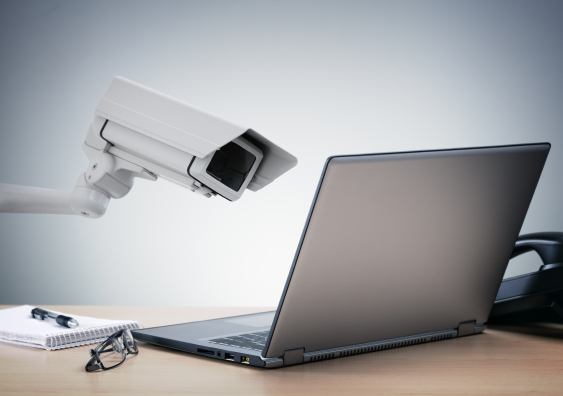
Some employers use webcams to watch employees during work hours. These cameras can be built into laptops or separate devices. The goal is to see if workers are at their desks and focused. Cameras may also capture video for security or attendance. Employers often notify workers if cameras are active.
Screen And Activity Tracking Software
This software tracks what appears on workers’ computer screens. It records the apps used and websites visited. It may take screenshots at random or set times. Some programs log keyboard and mouse activity. This data helps employers check if workers stay on task.
When Can Employers Legally Use Cameras At Home?
Employers want to keep their business safe and productive. Sometimes, this means using cameras. But can they watch you at home? The answer depends on rules and laws. These rules say when and how cameras can be used legally. Understanding these rules helps protect your privacy and rights.
Consent And Notification Requirements
Employers must tell workers if cameras are in use. They often need workers’ permission first. This is called consent. Without it, camera use may be illegal. Notice must explain why cameras are used and where. Workers should know what is recorded and how it is used.
Legitimate Business Interests
Employers can use cameras for real business reasons. These include protecting property, ensuring safety, and checking work quality. Cameras must not invade personal spaces like bathrooms or bedrooms. The use must be fair and not too intrusive. The business reason must be clear and reasonable.
Credit: uk.norton.com
Risks And Concerns For Employees
Working from home has many benefits, but it also brings risks for employees. Employers watching through cameras raises serious concerns. These worries affect workers’ privacy and mental health. Understanding these risks helps employees protect themselves better.
Privacy Invasion And Stress
Constant camera monitoring can feel like a big privacy invasion. Employees may feel watched all the time. This reduces their comfort and freedom at home. Stress levels can rise because workers feel no escape from surveillance. Privacy is a basic right, even at work.
Employees might avoid personal moments during work hours. This can lead to anxiety and lower job satisfaction. Feeling controlled too closely harms trust between employer and worker.
Potential For Abuse And Misuse
Cameras can be used in ways that harm employees. Employers might watch private areas or record outside work hours. Misuse of footage can lead to unfair treatment or discrimination. There is also risk of data leaks or hacking. Sensitive information may become exposed without consent.
Such abuse creates a hostile work environment. Employees lose confidence and feel vulnerable. Clear rules and limits are needed to prevent misuse.
Protecting Your Privacy While Working Remotely
Protecting your privacy while working remotely is very important. Employers may want to watch through cameras, but you have rights and ways to keep your space private. Understanding how to create clear boundaries and use technology can help you stay safe and comfortable.
Setting Up Boundaries At Home
Choose a separate area for work. Avoid places where you relax or keep personal items. Inform family or housemates about your work hours. This helps reduce interruptions and respects your workspace. Keep doors closed during meetings or calls. Use curtains or blinds to block outside views. These steps create a clear line between work and home life.
Using Technology To Safeguard Privacy
Turn off cameras when not required by your employer. Use physical covers for your webcam to block unwanted views. Check your device settings for camera and microphone controls. Install trusted security software to protect against hacking. Be cautious about apps that ask for camera access. Regularly update your software to fix security gaps. Technology can be a strong tool to guard your privacy.
Credit: reolink.com
Employer Best Practices For Remote Surveillance
Employers need clear rules when using cameras to watch remote workers. Watching employees too much can cause stress and hurt trust. Good practices help keep work safe and fair. They also keep the team feeling respected and valued.
These best practices focus on honesty and respect. They create a balance between checking work and giving freedom. Employers should use cameras only for real needs and avoid spying.
Transparency And Communication
Employers must tell workers about any camera use. Explain why cameras are needed and how footage is used. Clear communication helps avoid confusion and fear.
Workers should know who sees the videos and how long they are kept. Honest talks build trust and reduce worries. Workers feel safer and more respected.
Balancing Monitoring With Trust
Watching employees too closely can harm trust. Employers should watch only what is needed for work. Trust helps workers stay motivated and productive.
Allow some privacy during breaks or personal time. Use cameras to support work goals, not to control every move. Balance keeps a positive work environment.
Credit: www.unsw.edu.au
Frequently Asked Questions
Can Employers Legally Monitor Employees At Home?
Employers can monitor work activities if clearly disclosed and compliant with privacy laws. Consent and transparency are key.
What Are The Privacy Rights Of Remote Workers?
Remote workers have privacy rights protecting personal spaces. Employers must respect boundaries and avoid invasive surveillance.
How Do Companies Monitor Remote Employees?
Companies use software for activity tracking, screenshots, or webcam monitoring, but always require employee notification.
Is Webcam Monitoring Allowed Without Employee Consent?
No, webcam monitoring without explicit consent is generally illegal and violates privacy laws.
Conclusion
Employers may watch employees on camera at home, but rules apply. Privacy laws protect workers from unfair monitoring. Cameras should not invade personal spaces like bedrooms or bathrooms. Clear communication about camera use builds trust between employers and workers. Knowing your rights helps you stay safe and confident.
Stay aware of company policies and local laws. Your home workspace deserves respect and privacy. Keep these points in mind when working remotely.
As an Amazon Associate, I earn from qualifying purchases.
