
Are you wearing a Holter monitor and wondering if you can shower without damaging it? You’re not alone.
Many people worry about how to keep their device safe while maintaining their daily routine. Understanding whether you can get the monitor wet is crucial for your comfort and peace of mind. Keep reading, because we’ll clear up the confusion and give you simple, practical advice to help you stay clean without risking your heart health tracking.
Credit: www.svhhearthealth.com.au
Holter Monitor Basics
Understanding the basics of a Holter monitor helps ease concerns about daily activities. This small device records heart activity continuously. It allows doctors to check your heart over time, not just during a quick test.
The Holter monitor is easy to use but comes with some rules. Knowing what it is, how it works, and why it is used is important. This knowledge helps you follow instructions and get accurate results.
What Is A Holter Monitor?
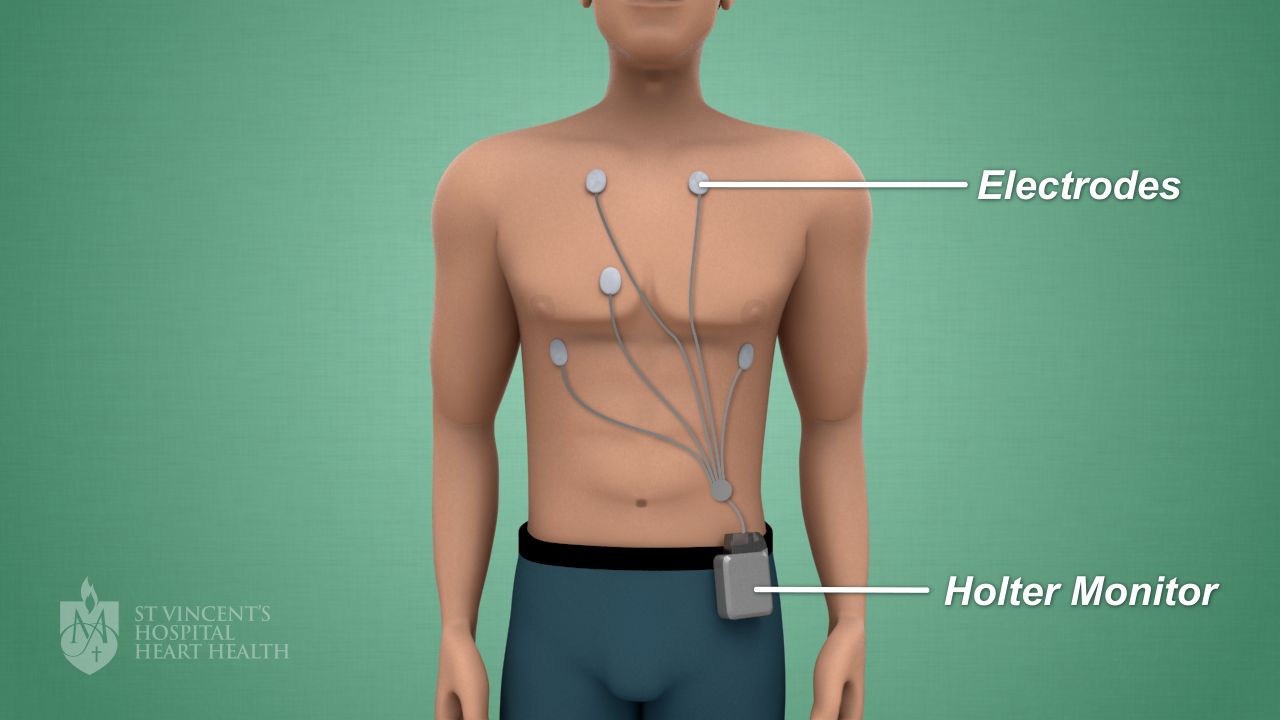
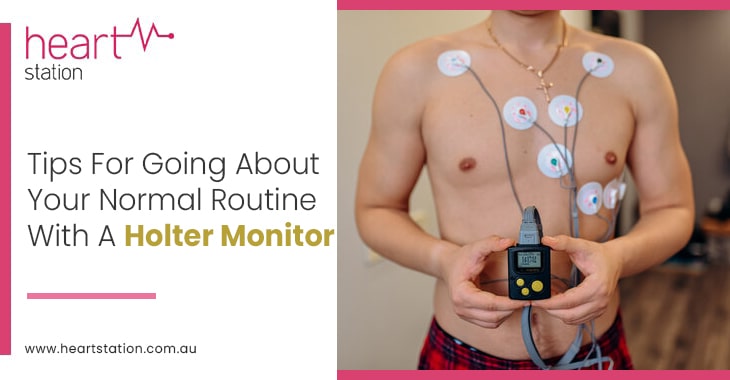
A Holter monitor is a portable device that records your heart’s electrical signals. It is about the size of a small box or pager. You wear it on your body, usually clipped to a belt or placed in a pocket. Electrodes attach to your chest with sticky patches. These electrodes pick up your heartbeats throughout the day.
How It Works
The electrodes send heart signals to the monitor. The device stores this data for later review by your doctor. It records continuously, usually for 24 to 48 hours. The monitor runs on batteries and does not interfere with your movement. It captures every heartbeat, helping detect irregular rhythms or pauses.
Common Usage Scenarios
Doctors use Holter monitors to find hidden heart problems. It helps diagnose irregular heartbeats, palpitations, and unexplained fainting. Patients with chest pain may also wear it to check for heart issues. It is common after a heart attack or surgery. The monitor tracks heart performance during normal daily activities and sleep.
Water Exposure Concerns
Water exposure is a major concern for anyone wearing a Holter monitor. This small device records heart activity continuously, usually over 24 to 48 hours. It must stay dry to work properly. Even a little water can cause damage or stop it from recording. Understanding water risks helps you protect the monitor and get accurate results.
Is A Holter Monitor Waterproof?
Most Holter monitors are not waterproof. They have electronic parts that water can damage. The device is usually worn outside the body, attached with sticky pads. These pads and wires must stay dry. Some newer models may resist small splashes, but they are not safe for full water contact. Showering or swimming with a Holter monitor is generally not recommended.
Risks Of Showering With The Device
Water can short-circuit the monitor’s electronics. This may cause the device to stop working. It can also lead to loss of important heart data. Wet adhesive pads might fall off, making the monitor loose. Wet skin under the pads can cause skin irritation or infection. The risk of device failure or data loss is high with water exposure.
Safe Showering Practices
Showering with a Holter monitor requires special care to keep the device safe. The monitor has wires and a small recorder attached to your body. Water can damage these parts and affect the readings. Follow safe showering practices to protect your health and the device.
Consulting Your Healthcare Provider
Ask your doctor about showering while wearing the Holter monitor. Some monitors are water-resistant, but others are not. Your healthcare provider knows your device type. They will give the best advice based on your situation. Do not guess or ignore their instructions.
Using Protective Covers
Use a waterproof cover designed for Holter monitors. These covers protect the device from water and steam. Plastic wrap or bags are not safe options. Make sure the cover fits snugly and seals well around wires. Check the cover for holes before each shower.
Alternative Cleaning Methods
If showering is risky, try sponge baths instead. Use a damp cloth to clean your body gently. Avoid wetting the Holter monitor or wires. Keep the area around the device dry at all times. This method helps maintain hygiene without damaging the monitor.
Troubleshooting And Maintenance
Troubleshooting and maintenance help keep your Holter monitor working well. Proper care stops errors and extends device life. Knowing what to do if problems happen is important.
Follow simple steps for everyday care and quick fixes. This keeps your heart data safe and accurate during use.
What To Do If The Monitor Gets Wet
Turn off the device immediately. Remove batteries if possible. Gently dry the monitor with a soft cloth. Do not use heat or hair dryers. Let it air dry for at least 24 hours. Contact your doctor or device provider for advice. Avoid using the monitor until it is fully dry and checked.
Signs Of Device Malfunction
Watch for unusual noises or no sound at all. Check if the screen is blank or flickering. Notice any error messages or alerts. Look for loose wires or broken parts. If data seems missing or incorrect, report it. Device not turning on is a key sign. Always inform your healthcare provider if problems occur.
Regular Care Tips
Keep the monitor dry and away from water. Clean it with a dry cloth only. Store the device in a cool, dry place. Check the battery life daily. Replace batteries as recommended. Avoid dropping or banging the monitor. Inspect cables and electrodes for damage. Follow all instructions from your healthcare team.
Living With A Holter Monitor
Living with a Holter monitor can feel strange at first. This small device records your heart’s activity for 24 to 48 hours. It helps doctors find heart problems that don’t show up during a regular checkup. You wear it all day and night, except when you need to keep it dry.
Understanding how to adjust daily life and what to expect during the monitoring period makes the process easier. Here are some key points to help you manage life with a Holter monitor.
Daily Activity Adjustments
Keep the monitor dry at all times. Avoid showers, baths, or swimming while wearing it. Use sponge baths to stay clean. Wear loose, comfortable clothes over the device. Avoid heavy exercise or activities that cause sweating. Try not to touch or move the electrodes. Keep your phone away from the monitor to avoid interference.
Monitoring Period Expectations
The monitor records continuously for one to two days. You should carry on with normal activities, except those restricted by your doctor. The device stores all heart data for later review. You may feel some discomfort from electrodes on your skin. Remove the monitor only when the doctor says to do so. Return the device promptly for analysis after the monitoring ends.

Credit: cadenceheart.sg
Credit: www.heartstation.com.au
Frequently Asked Questions
Can I Shower While Wearing A Holter Monitor?
No, you should avoid showering with a Holter monitor. The device is not waterproof and can be damaged by water. Instead, use sponge baths or cover the monitor with a waterproof shield if recommended by your doctor.
How To Keep Holter Monitor Dry During Bathing?
To keep your Holter monitor dry, avoid direct water exposure. Use waterproof covers or plastic bags secured with tape. Alternatively, sponge baths are safer to maintain hygiene without risking device damage.
What If My Holter Monitor Gets Wet Accidentally?
If your Holter monitor gets wet, contact your healthcare provider immediately. Water can damage the device or affect data accuracy. Do not try to dry or repair it yourself.
Can I Swim Or Bathe With A Holter Monitor?
No, swimming or bathing with a Holter monitor is not safe. The device is sensitive to water and can malfunction. Avoid all water activities until monitoring is complete.
Conclusion
Showering with a Holter monitor usually is not recommended. Water can damage the device and affect its readings. You can use a sponge bath to stay clean instead. Always follow your doctor’s advice about care and safety. Taking care of the monitor helps get accurate heart data.
Staying safe and dry keeps the monitor working well. Remember, small steps make a big difference in your health.
As an Amazon Associate, I earn from qualifying purchases.

