
Have you ever wondered if it’s safe or even legal to drive with headphones on? Maybe you like listening to your favorite music or podcast while behind the wheel, but is that a smart choice?
What if wearing headphones could put you at risk without you even realizing it? You’ll discover the surprising truth about driving with headphones and why it matters for your safety and the law. Keep reading—you might be shocked by what you learn.
Driving With Headphones: The Basics
Driving with headphones is a topic many drivers wonder about. It raises questions about safety and legality. Understanding the basics can help you make better choices behind the wheel.
Headphones may block important sounds. Sirens, horns, or other alerts might go unnoticed. This can increase the risk of accidents.
How Headphones Affect Driving Safety
Wearing headphones can reduce your awareness of the surroundings. It may distract you from traffic signals or emergency vehicles. This lowers your ability to react quickly.
Legal Rules On Driving With Headphones
Many places have laws against using headphones while driving. Rules vary by country and state. Some allow one earbud, others ban all headphones. Check your local laws to stay safe and legal.
Alternatives To Headphones For Drivers
Using a car’s built-in speakers is safer than headphones. Hands-free devices or Bluetooth speakers keep you alert. They let you hear important sounds outside the car.
Legal Restrictions By Region
Driving with headphones is a topic that varies by location. Different regions set their own rules to keep roads safe. Understanding these legal limits is important before using headphones while driving. This section explains the laws in the United States, Europe, and other countries.
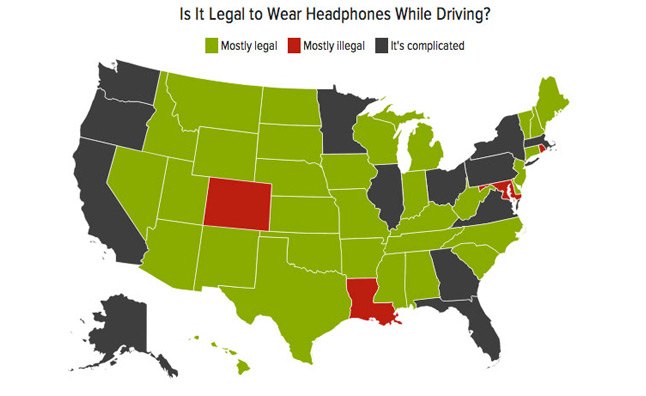
Laws In The United States
Many states in the U.S. restrict or ban headphones while driving. Some only allow one earbud, leaving the other ear free. Others ban all headphones to avoid distractions. Police may issue fines if caught breaking these rules. Laws vary a lot between states, so check local rules.
Regulations In Europe
European countries generally have strict rules against headphones in cars. Many forbid wearing headphones in both ears. Some allow one earbud but not both. The goal is to keep drivers aware of sounds like sirens and horns. Penalties for breaking these rules differ by country.
Rules In Other Countries
In Australia, headphones while driving are mostly banned to prevent accidents. Canada has mixed laws, with some provinces allowing one earbud. Asian countries often have strict regulations against using headphones while driving. Always check the local traffic laws before driving with headphones.
Risks Of Driving With Headphones
Driving with headphones poses serious risks. It affects how well drivers hear important sounds around them. These sounds include sirens, horns, and emergency signals. Missing these sounds can lead to dangerous situations on the road.
Many drivers do not realize how much headphones reduce their awareness. The safety of the driver and others depends on being alert. Wearing headphones can block out crucial noises that warn of trouble.
Reduced Situational Awareness
Headphones limit a driver’s ability to notice sounds nearby. This lowers awareness of the environment. Drivers might miss emergency vehicles or honking cars. This lack of awareness increases the chance of crashes.
Delayed Reaction Times
Headphones slow how fast a driver responds. Important warnings might be heard too late. Even a small delay can cause a serious accident. Quick reactions are key to safe driving.
Potential For Accidents
Driving with headphones raises the risk of accidents. Missing sounds means missing signals from other drivers. This leads to poor decisions and collisions. Safety depends on clear hearing and attention.

Credit: www.sadakafirm.com
Types Of Headphones And Their Impact
Headphones come in different types, and each affects driving safety differently. Understanding these types helps decide if you should wear them while driving.
Some headphones cover your ears completely, while others sit inside the ear canal. The way they block sound changes how much you hear around you.
Over-ear Vs. In-ear
Over-ear headphones cover your entire ear with large cushions. They block outside sounds well. This can make it hard to hear traffic or emergency sirens.
In-ear headphones fit inside the ear canal. They are smaller and less noticeable. They block less outside noise but can still reduce awareness of surroundings.
Noise-canceling Effects
Noise-canceling headphones use technology to reduce outside sounds. This helps focus on music or calls but can block important road noises.
Turning on noise canceling lowers awareness of horns or engines. This may increase risks while driving.
Volume Levels And Safety
High volume levels can cover important sounds outside the car. Keeping volume low helps maintain awareness of nearby vehicles.
Listening loudly blocks warnings and makes it harder to react quickly. Safe volume levels improve focus and safety on the road.
Safety Tips For Drivers Using Audio Devices
Using audio devices while driving can be risky. Sounds from music or calls may distract you. Following safety tips helps keep your focus on the road.
These tips reduce dangers and make driving safer when using headphones or earbuds.
Using One Earbud Only
Wear only one earbud to keep one ear free. This helps you hear important sounds like sirens and horns. It keeps you aware of your surroundings.
Keeping Volume Low
Set the volume low to avoid blocking outside noise. Loud music can stop you from hearing alerts or traffic. Keep it soft for better awareness.
Alternative Hands-free Options
Use hands-free devices like Bluetooth speakers or car systems. They let you listen and talk without earbuds. This keeps your ears open and your hands on the wheel.

Credit: www.cnet.com
Technological Solutions For Safer Driving
Driving safely requires full attention and minimal distractions. Using headphones while driving can block important sounds like horns or sirens. Technology offers solutions that keep drivers connected yet alert. These options help drivers hear important sounds and stay focused on the road.
Bluetooth And Voice Commands
Bluetooth devices allow wireless connection to phones and music players. Drivers can listen without cords or headphones in their ears. Voice commands help control calls or music without touching devices. This keeps hands on the wheel and eyes on the road.
Smart Helmet Audio Systems
Smart helmets include built-in speakers near the ears. They deliver sound without blocking outside noise. This lets riders hear music and road sounds at the same time. Some helmets also support voice commands and phone calls.
Vehicle Audio Integration
Many cars connect phones to the vehicle audio system. Drivers hear calls and music through car speakers. Controls on the steering wheel make it easy to adjust sound. This setup avoids the need for headphones and keeps drivers alert.
Real-life Cases And Statistics
Driving with headphones is a topic that raises safety concerns. Many wonder how wearing headphones affects driving and road safety. Real-life cases and statistics help us understand the risks better. These examples show the dangers and consequences of using headphones while driving.
Accident Reports Involving Headphones
Many accidents have involved drivers wearing headphones. Police reports reveal cases where drivers missed important sounds. Emergency sirens or horns often go unheard. This leads to delayed reactions and crashes. Some accidents caused serious injuries and even deaths. These reports highlight the dangers of blocking out sounds while driving.
Studies On Driver Distraction
Research shows headphones increase driver distraction. Drivers using headphones react slower to road events. Their awareness of surroundings drops significantly. A study found reaction times slowed by up to 20%. Listening to music or calls reduces focus on traffic. Distraction leads to poor decision-making and accidents.
Insurance Implications
Insurance companies view headphone use while driving as risky. Some insurers refuse coverage for crashes involving headphones. Others may raise premiums after such accidents. Claims can be denied if headphones caused the crash. This adds financial risks for drivers who wear headphones.
Credit: www.autoguide.com
Frequently Asked Questions
Can You Legally Drive With Headphones On?
Laws vary by location, but many regions prohibit driving with headphones. It reduces awareness of road sounds, causing safety risks. Always check your local traffic laws before using headphones while driving.
Why Is Driving With Headphones Considered Dangerous?
Headphones block important traffic sounds like sirens and horns. This distraction can delay your reaction time. Reduced auditory awareness increases the chance of accidents on the road.
Are There Safer Alternatives To Headphones While Driving?
Using car speakers or Bluetooth hands-free devices is safer. These allow you to hear external sounds clearly. They help maintain focus and comply with traffic safety rules.
Can One Earphone Be Used While Driving?
Some areas permit using a single earphone to keep one ear free. This improves awareness compared to using both ears. Confirm your local laws to avoid fines or penalties.
Conclusion
Driving with headphones can be risky and is often illegal. Listening to sounds outside your car helps keep you safe. It is better to use your car’s speaker system or one earbud only. Paying full attention to the road can prevent accidents.
Always check your local laws before using headphones while driving. Safety should be your top priority every time you get behind the wheel. Stay alert, stay safe, and enjoy your drive responsibly.
As an Amazon Associate, I earn from qualifying purchases.

