Are you thinking about mounting your TV above a wood-burning fireplace but aren’t sure if it’s safe or practical? You’re not alone.
Many people love the idea of combining cozy firelight with their favorite shows, but there are important things you need to know before you make that decision. From heat damage to viewing comfort, this setup can be tricky. Keep reading, and you’ll discover what you should consider to protect your TV and enjoy your space without worry.
Heat Risks For Tvs
Placing a TV over a wood burning fireplace can seem like a stylish choice. Yet, the heat from the fireplace poses risks to your TV’s lifespan and performance. Heat can damage the TV’s internal parts and affect the picture quality. Understanding these risks helps protect your investment and enjoy your TV safely.
How Heat Affects Electronics
Heat causes electronic parts inside the TV to expand and contract. This stress can lead to cracks or breaks in delicate components. Over time, the heat speeds up wear and tear, making the TV less reliable. Screens can also dim or display colors incorrectly due to heat damage. Constant exposure to warm air lowers the TV’s overall lifespan.
Temperature Thresholds To Consider
Most TVs work best below 95°F (35°C). Above this, internal parts may overheat and fail. Wood fireplaces can send heat well above this limit, especially without a mantel or heat shield. It is best to measure the wall temperature above the fireplace before mounting a TV. If the wall gets hotter than 95°F, it is unsafe to hang the TV there.

Credit: www.reddit.com
Measuring Fireplace Heat
Measuring fireplace heat is essential before hanging a TV above a wood-burning fireplace. Excess heat can damage electronics. Knowing the heat level helps protect your TV and ensures safety. It also guides you on the right mounting distance and materials to use.
Using A Thermometer
A thermometer shows the temperature around your fireplace. Use an infrared thermometer for quick and accurate readings. Point it at the spot where the TV will hang. Take several readings during and after a fire. This helps you understand the heat range in that area.
Keep records of these temperatures for different fire sizes. Temperatures over 120 degrees Fahrenheit can harm most TVs. If readings are high, consider a heat shield or mounting the TV higher.
Peak Heat Times To Watch
Fireplaces have times when heat is strongest. Usually, the highest heat comes right after lighting the fire. Heat also peaks when wood burns the fastest. Check temperatures during these moments for safety.
After the fire settles, heat usually drops but can stay warm for hours. Measure at different times to find the safest TV mounting spot. Avoid areas with long-lasting high heat.
Choosing The Right Tv
Choosing the right TV for mounting above a wood burning fireplace needs care. Heat and smoke can harm a TV’s parts. Picking a TV that can handle this environment helps it last longer. Size and placement also affect your viewing comfort and safety. Below are key points to consider.
Heat-resistant Models
Some TVs are built to resist heat better than others. These models use special materials and cooling systems. They keep the TV safe from warm air and heat damage. Look for TVs labeled as heat-resistant or designed for tough conditions. This choice lowers the risk of screen damage or shortened lifespan.
Size And Placement Tips
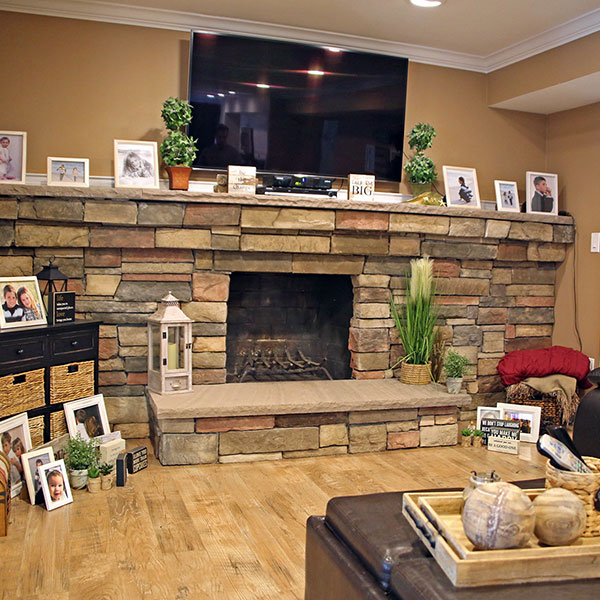
Choose a TV size that fits your wall space above the fireplace. A very large TV may be hard to see from across the room. Small TVs might not provide a good viewing experience. Place the TV high enough to avoid direct heat but low enough for easy viewing. Use a mounting bracket that allows tilting the TV downward. This helps reduce neck strain and improves picture clarity.
Credit: www.mercercountychimneyservices.com
Safe Mounting Techniques
Mounting a TV over a wood-burning fireplace requires careful planning. Fireplaces create heat and smoke, which can damage your TV. Safe mounting techniques protect your electronics and keep your home safe.
Distance From Fireplace
Keep a good distance between the TV and the fireplace. Heat rises and can harm the TV’s screen and components. Experts suggest at least 12 to 24 inches of space above the fireplace mantel. Check the heat output before mounting. Use a thermometer to measure the wall temperature. If it feels too hot, increase the distance or add heat barriers.
Wall Mounting Options
Choose a sturdy wall mount designed for heavier TVs. Fixed mounts keep the TV close to the wall but may expose it to more heat. Tilting or articulating mounts allow you to angle the TV away from heat. This helps reduce damage and improves viewing comfort. Secure the mount into wall studs for strong support. Avoid drywall anchors alone, as they may fail over time.
Heat Deflection Solutions
Heat deflection solutions protect your TV from the warmth of a wood-burning fireplace. These solutions help keep the TV cool and safe. Proper heat management extends the life of your TV and maintains performance. Below are two common heat deflection methods.
Mantel Shelves
Mantel shelves act as a barrier between the fire and the TV. They help redirect heat away from the mounted TV. A well-installed mantel shelf can reduce the heat reaching the television. Choose a mantel made from heat-resistant materials like wood or stone. Ensure the shelf is wide enough to block direct heat flow upward.
Heat Shields And Barriers
Heat shields protect the TV by reflecting or absorbing heat. These barriers are often made from metal or special fire-resistant boards. Installing a heat shield behind or above the TV can lower the temperature. Some shields include air gaps for better heat circulation. Properly placed shields prevent heat damage to the TV components.
Wiring And Cable Management
Wiring and cable management play a key role in mounting a TV over a wood burning fireplace. Proper handling of cables keeps the area safe from heat damage. It also helps maintain a clean and tidy look in the room. Thoughtful planning prevents electrical problems and fire hazards.
Protecting Cables From Heat
Heat from a wood burning fireplace can harm cables. Use heat-resistant cable covers or conduit to protect wires. Keep cables as far from the fireplace as possible. Avoid running wires directly over or near the firebox. Check cable insulation for any signs of wear or melting regularly. Use cables rated for high temperatures to ensure safety.
Concealing Wires Safely
Concealing wires keeps the space neat and prevents trips or damage. Use in-wall rated cables if you plan to hide wires behind the wall. Install cable raceways or channels to guide wires along the wall. Avoid stapling or pinching cables tightly, as this can cause damage. Secure cables with clips or ties to avoid sagging. Keep power cords away from direct heat and flames.
Maintenance And Monitoring
Keeping a TV over a wood burning fireplace safe requires careful maintenance and monitoring. Heat and soot can damage your TV over time. Regular checks help spot problems early. Taking small steps can protect your investment and keep your room looking great.
Regular Temperature Checks
Heat is the main risk for a TV above a fireplace. Use a thermometer to check the wall temperature often. The ideal temperature should stay below 100°F (38°C). High heat can harm the TV’s electronics and screen. Check temperature before and after using the fireplace. If it gets too hot, avoid turning on the fire or use a heat shield.
Cleaning And Upkeep
Soot and dust build up quickly near a wood burning fireplace. Clean the TV screen regularly with a soft, dry cloth. Avoid harsh cleaners that can damage the screen. Wipe down the wall behind the TV to stop soot buildup. Clean the fireplace area often to reduce dust and ash. Keeping the area clean helps the TV last longer and look better.
Alternative Placement Ideas
Placing a TV over a wood burning fireplace can be risky. The heat and smoke may damage the TV over time. Many homeowners choose other spots to keep their TV safe and still enjoy good viewing. Here are some smart ideas for alternative TV placement. These options help protect your TV and keep your room stylish.
Side Wall Mounting
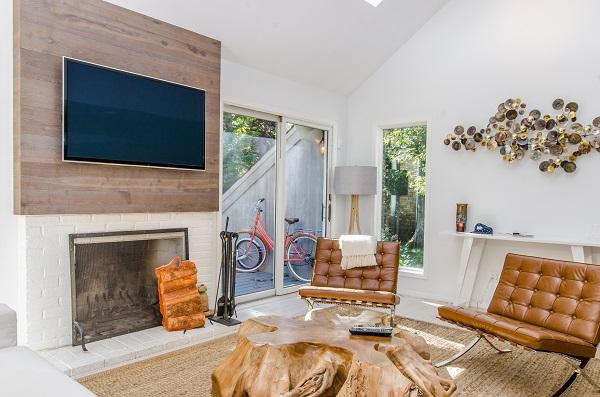
Mounting the TV on a side wall is a great option. It keeps the TV away from heat and smoke. This setup offers a clear view without straining your neck. You can use a swivel mount to adjust the angle easily. It also frees up space above the fireplace for decorations or artwork. Side wall mounting keeps your TV safe and your room neat.
Using A Tv Stand
A TV stand offers flexibility for your room layout. Place the stand near the fireplace but not directly above it. This way, the TV stays cool and secure. TV stands come in many styles to match your decor. Some have storage for media devices and accessories. Using a stand lets you move the TV if needed. It’s a simple, practical choice for many homes.
Credit: woodstovenj.com
Frequently Asked Questions
Can You Mount A Tv Above A Wood Burning Fireplace?
Yes, you can mount a TV above a wood burning fireplace. Ensure proper heat protection and ventilation. Use a heat shield or mantel to reduce heat exposure. This prevents damage to the TV and ensures safety.
How To Protect A Tv From Fireplace Heat?
Use a heat-resistant mantel or a heat shield between the fireplace and TV. Also, maintain proper clearance and monitor temperature regularly. This minimizes heat damage and prolongs the TV’s lifespan.
Is It Safe To Hang A Tv Above A Wood Fireplace?
It can be safe if you control heat exposure. Ensure the TV is mounted high enough and use heat barriers. Proper installation and ventilation are key to avoiding damage or fire hazards.
What Is The Ideal Distance Between Tv And Fireplace?
Maintain at least 12 to 24 inches clearance between the TV and fireplace. This distance helps avoid excessive heat exposure and reduces the risk of damage to the TV.
Conclusion
Hanging a TV over a wood-burning fireplace can work, but be careful. Heat can harm your TV, so check the temperature first. Use a heat shield or mount it higher to protect your screen. Always follow safety tips and use proper tools for installation.
This setup saves space and looks nice when done right. Take your time to plan and measure well. A safe and smart setup makes watching TV more enjoyable by the fire.
As an Amazon Associate, I earn from qualifying purchases.