Can you sleep with earbuds in? It’s a question many people wonder about, especially if you love falling asleep to music or podcasts.
You might think it’s harmless, but what if wearing earbuds while you sleep could affect your comfort or even your health? Before you tuck in with your earbuds, it’s important to know what’s safe and what’s not. Keep reading to discover the surprising facts and simple tips that will help you protect your ears and enjoy a better night’s rest.
Your sleep and well-being deserve it.
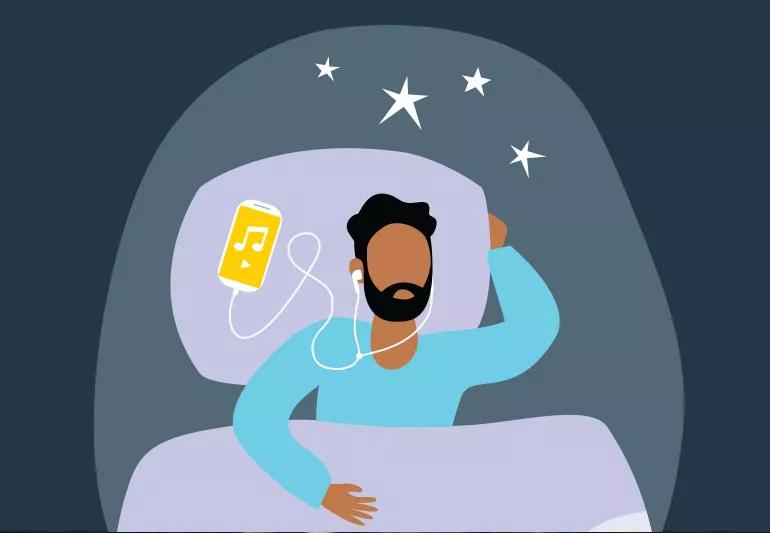
Credit: health.clevelandclinic.org
Risks Of Sleeping With Earbuds
Sleeping with earbuds might seem harmless, but it carries some risks. These risks can affect your ears and your overall sleep quality. Understanding them helps you make safer choices for a good night’s rest.
Potential Ear Damage
Earbuds can press hard on the ear canal during sleep. This pressure may cause pain or soreness. Long use can lead to small injuries inside the ear. Loud sounds through earbuds may damage hearing over time. The risk grows if volume is too high or earbuds stay in for many hours.
Hygiene Concerns
Earbuds collect dirt, sweat, and earwax. Sleeping with them creates a warm, moist environment inside the ear. This can cause bacterial or fungal infections. Infections lead to itching, pain, and swelling. Cleaning earbuds regularly reduces these risks, but sleeping with them still raises hygiene issues.
Impact On Sleep Quality
Earbuds may cause discomfort, making it hard to fall asleep. They can fall out or cause noise interruptions during the night. These disruptions reduce deep, restful sleep phases. Poor sleep affects mood, energy, and health. Using earbuds might interfere with sleep more than it helps.

Credit: www.liftingitalia.com
Choosing The Right Earbuds
Choosing the right earbuds is important for a good night’s sleep. Not all earbuds suit sleeping needs. Comfort, type, and features affect your rest. Picking earbuds made for sleep helps avoid pain and discomfort. It also improves sound quality and blocks noise better.
Comfortable Designs
Soft, small earbuds fit better in your ears. Look for earbuds with silicone or foam tips. These materials reduce pressure and prevent ear pain. Earbuds with a low profile shape stay in place. They avoid pressing on your ear while lying down. Comfort is key to keep earbuds on all night.
Wireless Vs Wired Options
Wireless earbuds offer freedom from cords. No wires to tangle or pull while sleeping. They usually have batteries that last several hours. Wired earbuds do not need charging. But wires can be uncomfortable and get caught during sleep. Choose wireless earbuds for convenience and safety in bed.
Noise-canceling Features
Noise-canceling earbuds block out unwanted sounds. They help create a quiet environment for better sleep. Active noise cancellation uses microphones to cancel noise. Passive noise isolation blocks noise with ear tips. Both types improve focus and relaxation at night. Pick noise-canceling earbuds if you sleep in noisy places.
Safe Practices For Nighttime Use
Sleeping with earbuds can be comfortable and helpful for many people. Still, safety matters. Using earbuds at night needs care. This helps protect your ears and keeps you safe. Follow these simple tips to use earbuds safely during sleep.
Volume Control Tips
Keep the volume low. Loud sounds can damage your ears. Use the 60/60 rule: listen at 60% volume for no more than 60 minutes. Avoid sudden loud noises. Choose earbuds with volume limiters for extra safety.
Limiting Usage Time
Don’t wear earbuds all night. Long use can cause ear pain or infections. Try to limit use to 1-2 hours. Remove earbuds if your ears feel uncomfortable. Give your ears time to rest and breathe.
Cleaning And Maintenance
Clean earbuds regularly. Dirt and bacteria build up quickly. Use a soft cloth and alcohol wipes. Avoid water inside earbuds. Replace ear tips often to stay hygienic. Clean ears before use to reduce infection risk.
Alternatives To Earbuds For Sleep
Sleeping with earbuds can sometimes cause discomfort or ear problems. Finding other options helps you enjoy sounds without pain or risk. Many alternatives offer comfort and good sound for a peaceful night.
These choices also avoid wires and pressure inside the ear. They provide gentle ways to block noise or play relaxing sounds. Here are some simple and safe options for better sleep.
Sleep Headbands
Sleep headbands have soft fabric with built-in speakers. They fit comfortably around your head without pressing on ears. You can listen to music or white noise without wires inside your ears. These headbands stay in place all night long. They work well for side sleepers and those who move a lot in bed.
White Noise Machines
White noise machines produce calming sounds like rain or waves. They mask background noises that disturb your sleep. These machines do not touch your ears or skin. You can set the volume low and keep the room quiet. White noise helps many people fall asleep faster and stay asleep longer.
Speakers With Timers
Small speakers with timers let you play sounds for a set time. They turn off automatically after you fall asleep. These speakers can be placed on your nightstand or shelf. You avoid wearing anything on your head or in your ears. Timed speakers save battery and stop sound to keep the room quiet later.
Signs You Should Avoid Sleeping With Earbuds
Sleeping with earbuds might seem harmless. Yet, some signs show it may cause harm. Knowing these signs helps protect your ears and improve sleep quality. Watch for discomfort or changes in hearing. These may mean it’s best to stop using earbuds at night.
Ear Pain Or Irritation
Pain in the ear is a clear warning sign. Earbuds can press against the ear canal and outer ear. This pressure may cause soreness or redness. Irritation can also come from bacteria trapped in the ear. Persistent pain or itching means it’s time to avoid earbuds while sleeping.
Hearing Issues
Hearing sounds less clearly is a serious concern. Earbuds can block the ear canal and trap earwax. This blockage may lead to muffled hearing or ringing in the ears. Long-term use might cause temporary or permanent hearing loss. Noticeable hearing changes mean earbuds should not be used during sleep.
Sleep Disturbances
Earbuds might disrupt your rest instead of helping. Pressure or discomfort can wake you up at night. Sound from earbuds may also disturb deep sleep cycles. Feeling tired or unrested in the morning could relate to earbuds use. Poor sleep quality is a strong sign to avoid earbuds while sleeping.
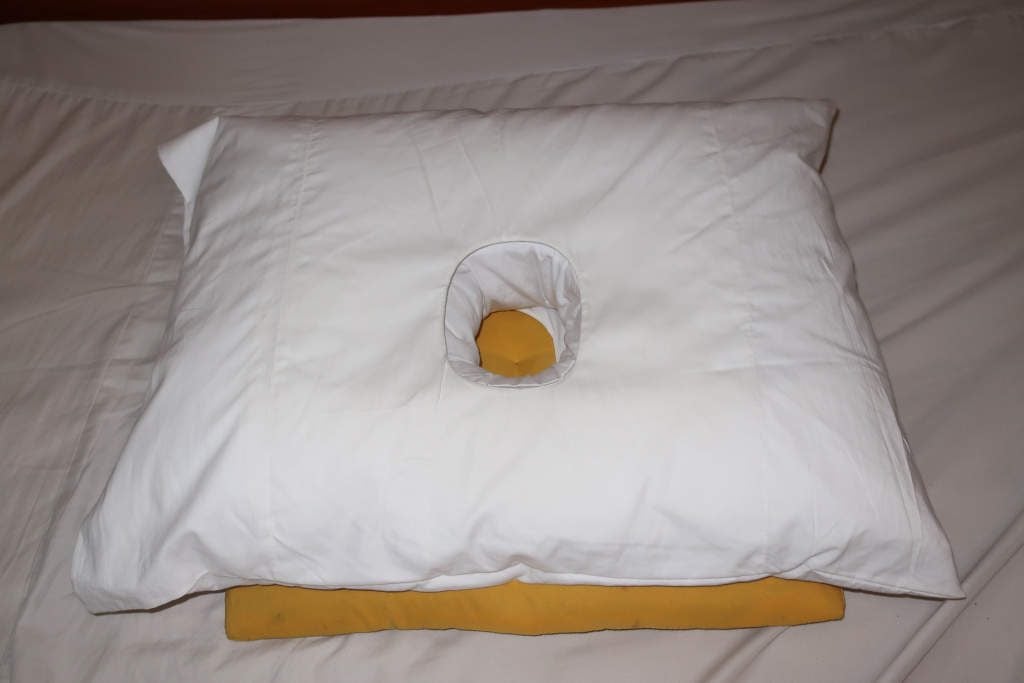
Credit: noisyworld.org
Frequently Asked Questions
Can You Safely Sleep With Earbuds In?
Sleeping with earbuds is generally safe if you use soft, comfortable ones. Avoid loud volumes to prevent ear damage and discomfort.
What Are The Risks Of Sleeping With Earbuds?
Risks include ear infections, hearing loss, and discomfort. Prolonged use can cause earwax buildup and ear canal irritation.
How To Choose Earbuds For Sleeping?
Choose wireless, soft, and low-profile earbuds designed for sleep. Look for noise-canceling features and comfortable fits to avoid pressure.
Can Earbuds Disrupt Sleep Quality?
Yes, loud music or poor fit can disrupt sleep. Use low volume and comfortable earbuds to improve relaxation and sleep quality.
Conclusion
Sleeping with earbuds can be safe if you choose the right type. Soft, wireless earbuds cause less discomfort and reduce risks. Keep volume low to protect your ears from damage. Clean your earbuds often to avoid infections. Remember to take breaks and listen to your body’s signals.
Comfort and safety matter most for a good night’s rest. Consider your personal needs before making a decision. Sleep well, but protect your hearing at the same time.
As an Amazon Associate, I earn from qualifying purchases.