
Have you ever wondered if you can use your Bluetooth headphones while flying? You’re not alone.
Many travelers want to enjoy their favorite music or movies without tangled wires, but they’re unsure if it’s allowed or if the connection will work on a plane. Imagine settling into your seat, ready to tune out the noise and relax, but then hitting a roadblock with your device.
This article will clear up the confusion, answer your biggest questions, and help you make the most of your in-flight entertainment. Keep reading to find out everything you need to know about using Bluetooth headphones on a plane.
Bluetooth Headphones And Air Travel
Bluetooth headphones offer a wireless and convenient way to enjoy music or podcasts during flights. Many travelers wonder if these devices work on planes without causing trouble. Understanding how Bluetooth functions in the air and knowing airline rules helps you use your headphones worry-free.
How Bluetooth Works On Planes
Bluetooth uses short-range radio waves to connect devices. It sends signals within a small area, usually up to 30 feet. On a plane, Bluetooth signals travel inside the cabin without interfering with aircraft systems. The low power of Bluetooth devices means they do not affect navigation or communication equipment. This makes Bluetooth headphones generally safe to use during most parts of the flight.
Airline Policies On Bluetooth Devices
Each airline sets its own rules about Bluetooth use on flights. Some allow Bluetooth devices during all flight phases, including takeoff and landing. Others require passengers to switch devices off or use airplane mode with Bluetooth on. Flight attendants usually announce these rules before takeoff. It is best to listen carefully and follow their instructions to avoid any problems.
Credit: www.whathifi.com
Using Bluetooth Headphones During Different Flight Phases
Using Bluetooth headphones on a plane depends on the flight phase. Airlines have specific rules for safety reasons. Knowing when and how you can use these devices helps you avoid trouble. It also ensures your headphones work well during the flight.
Takeoff And Landing Rules
During takeoff and landing, airlines often ask passengers to turn off Bluetooth devices. The plane’s systems need to work without interference. Bluetooth signals may disrupt communication or navigation tools. Flight attendants usually remind passengers to put away electronic devices. You should follow these instructions carefully. Safety always comes first during these critical times.
In-flight Usage Guidelines
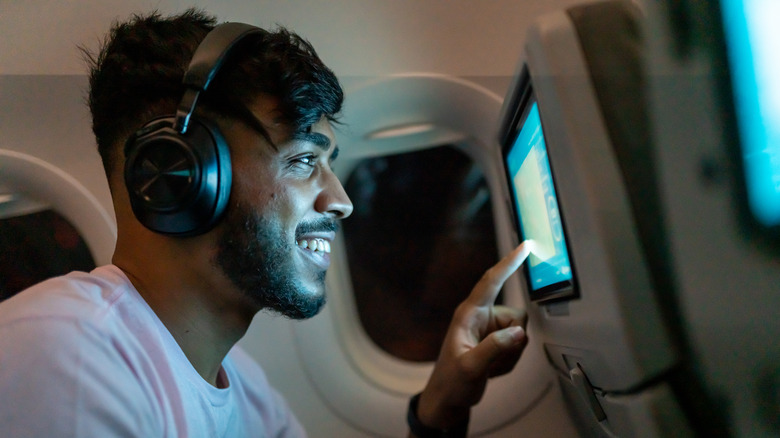
Once the plane reaches cruising altitude, using Bluetooth headphones is usually allowed. You can connect them to your phone, tablet, or laptop. Many airlines offer in-flight Wi-Fi or entertainment systems compatible with Bluetooth. Still, keep the volume at a safe level to hear announcements. Also, avoid using headphones during meal service. This respect keeps the flight smooth for everyone.
Compatibility And Connectivity Issues
Using Bluetooth headphones on a plane can bring up some issues. Compatibility and connectivity problems might affect your listening experience. Many airplanes use in-flight entertainment systems that may not work well with Bluetooth devices. Signal interference can also cause interruptions. Understanding these issues helps you prepare better for your flight.
Pairing With In-flight Entertainment Systems
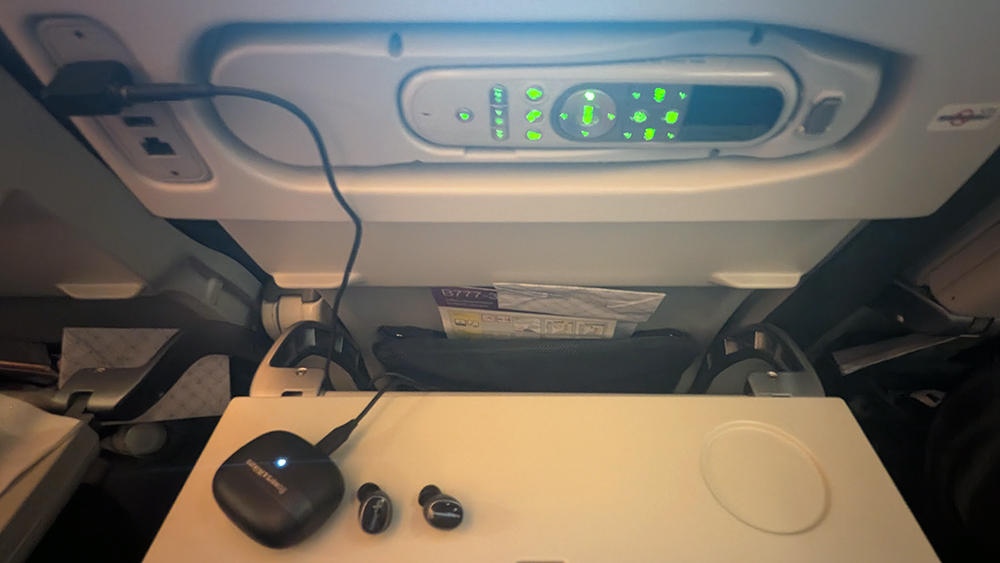
Most in-flight entertainment systems do not support Bluetooth headphones. Airlines often provide wired headphone jacks for audio. Bluetooth headphones need a transmitter to connect to these systems. Some travelers bring a Bluetooth adapter to plug into the headphone jack. This adapter sends the audio signal to the headphones. Without this device, pairing directly is usually impossible.
Dealing With Signal Interference
Bluetooth signals can face interference on planes. Multiple electronic devices in a small space create signal noise. This noise may cause audio dropouts or delays. Some airlines restrict Bluetooth use during takeoff and landing. Turning off other wireless devices reduces interference risk. Keeping your headphones close to the transmitter helps maintain a strong signal.
Credit: www.explore.com
Battery Life And Charging Options
Battery life and charging options are key when using Bluetooth headphones on a plane. Many travelers rely on headphones for hours of entertainment. Knowing how long your headphones last and how to charge them helps avoid interruptions.
Battery limits on flights often affect electronic devices. Airlines set rules to keep flights safe. Understanding these limits helps you use your headphones without issues. Charging options on planes vary by airline and aircraft. Some planes offer power outlets or USB ports. Others do not. Planning ahead ensures your headphones stay powered during your trip.
Battery Limits For Flights
Airlines limit battery size for devices on planes. Most Bluetooth headphones have small batteries under the limit. Larger batteries may need approval or must be in carry-on bags. Check your airline’s rules before flying. This avoids delays or having to leave devices behind.
Battery capacity is measured in watt-hours (Wh). The usual limit for lithium-ion batteries is 100 Wh. Most headphones fall well below this. Batteries over 100 Wh need airline permission. Never pack spare batteries in checked luggage. Carry them in your hand luggage instead.
Charging Bluetooth Headphones On Planes
Many planes offer USB ports or power outlets. You can charge headphones using these during the flight. Bring your charging cable and adapter just in case. Some older planes may not have charging options. Carry a fully charged power bank as a backup. Make sure the power bank meets airline rules.
Charging your headphones during the flight keeps them ready for long trips. Avoid using too many devices at once to save power. Turn off headphones when not in use to extend battery life. Small steps ensure your headphones work throughout the journey.
Best Bluetooth Headphones For Air Travel
Choosing the best Bluetooth headphones for air travel improves your flight experience. Good headphones block noise, feel comfortable, and are easy to carry. They help you enjoy music, movies, or calls without distractions. Here are key features to check before buying.
Noise-cancellation Features
Noise-cancellation reduces loud sounds from engines and passengers. It creates a quiet space for your ears. Active noise-cancellation (ANC) headphones use microphones to cancel outside noise. This helps you relax or focus during the flight. Passive noise-cancellation blocks noise with thick ear cushions. Both types improve sound quality and comfort on planes.
Comfort And Portability
Comfort is crucial for long flights. Look for headphones with soft ear pads and adjustable headbands. Lightweight designs reduce pressure on your head and ears. Foldable or compact models fit easily in carry-on bags. Portable headphones are easy to store and carry during travel. Comfort and size make your journey much better.
Tips For A Smooth Experience
Using Bluetooth headphones on a plane can make your flight more enjoyable. To avoid problems, a few simple steps help ensure a smooth experience. Preparing your headphones and knowing basic fixes can save time and stress. Below are some tips to help you use Bluetooth headphones easily during your flight.
Preparing Your Headphones Before The Flight
Charge your headphones fully before the flight. Low battery can cause disconnection or poor sound. Update your headphone firmware if updates are available. This can improve compatibility with airplane systems.
Pair your headphones with your device ahead of time. Test the connection to avoid delays during boarding. Bring your charging cable and a power bank as backups.
Troubleshooting Common Issues
Sometimes, Bluetooth signals can be weak on planes. Turn off and on your headphones to reset the connection. Re-pair your headphones with your device if sound cuts out.
Switch to airplane mode on your device but enable Bluetooth manually. This helps keep the connection while following airline rules. Carry wired headphones as a backup in case Bluetooth fails.
Credit: www.standardwool.uk
Frequently Asked Questions
Can I Use Bluetooth Headphones During A Flight?
Yes, most airlines allow Bluetooth headphones on planes. You can use them during the flight except during takeoff and landing. Always check with your airline’s specific rules before flying.
Do Bluetooth Headphones Interfere With Airplane Systems?
No, Bluetooth devices use low power and do not interfere with airplane systems. They are generally safe to use in-flight, complying with aviation regulations.
Are Bluetooth Headphones Better Than Wired Ones On Planes?
Bluetooth headphones offer convenience without cords, making them ideal for flights. However, battery life and airline rules may affect usage compared to wired headphones.
How Do I Connect Bluetooth Headphones On Airplane Entertainment?
Some planes support Bluetooth pairing with in-flight entertainment. If not, use a Bluetooth transmitter plugged into the headphone jack to connect your headphones.
Conclusion
Bluetooth headphones generally work fine on most planes today. Airlines allow their use during flights, except for takeoff and landing times. Battery-powered devices like these do not interfere with airplane systems. Just remember to follow crew instructions and switch to airplane mode if required.
Enjoy your music or movies without wires getting in the way. Flying becomes more comfortable with wireless sound. Safe travels and happy listening!
As an Amazon Associate, I earn from qualifying purchases.

