
Are you tired of your fresh lettuce wilting just days after you bring it home? You might be wondering if vacuum sealing could be the secret to keeping your greens crisp and fresh for longer.
But can you vacuum seal lettuce without turning it into a soggy mess? If you want to save money, reduce food waste, and enjoy fresh salads anytime, understanding the right way to vacuum seal lettuce is a game-changer. Keep reading, and you’ll discover simple tips that will change how you store your lettuce forever.
Credit: saladinajar.com
Benefits Of Vacuum Sealing Lettuce
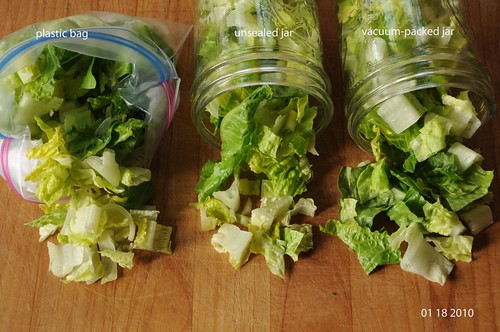
Vacuum sealing lettuce helps keep it fresh for longer. It removes air, which slows down spoilage. This method stops the lettuce from wilting quickly.
Vacuum sealing also protects lettuce from moisture loss. It keeps the leaves crisp and crunchy. This way, you waste less food and save money.
Extends Shelf Life
Vacuum sealing cuts down exposure to oxygen. Less oxygen means slower decay and mold growth. Your lettuce stays fresh for days or weeks.
Maintains Crispness
Sealed lettuce keeps its texture better than loose storage. No air means less drying out or sogginess. Enjoy crunchy leaves in salads and sandwiches.
Prevents Contamination
Vacuum sealing blocks dirt and bacteria from reaching lettuce. The sealed bag acts as a barrier. This lowers the risk of foodborne illness.
Saves Storage Space
Vacuum-sealed bags take up less room in the fridge. They stack easily without crushing leaves. This helps organize your fresh produce better.
Best Lettuce Types For Vacuum Sealing
Choosing the right type of lettuce is key for vacuum sealing. Some lettuce types keep fresh longer and hold their texture better. This section covers the best lettuces for vacuum sealing. This helps you store salad ingredients with less waste.
Leafy lettuces with firm leaves work best. They handle pressure without getting crushed. Crisp leaves stay fresh and crunchy after sealing. Soft or delicate lettuces tend to bruise or turn slimy fast.
Iceberg Lettuce
Iceberg lettuce has tight, crisp heads. Its thick leaves resist damage during vacuum sealing. This lettuce type keeps its crunch and stays fresh for days. It is ideal for salads and sandwiches after sealing.
Romaine Lettuce
Romaine has sturdy, elongated leaves. It holds its shape well under vacuum pressure. Romaine stays crisp and fresh longer than soft lettuces. It is great for Caesar salads and wraps.
Butterhead Lettuce
Butterhead lettuce has soft, tender leaves. It seals well but bruises easily. Handle gently to avoid damage. It is perfect for delicate salads and sandwiches.
Green Leaf Lettuce
Green leaf lettuce has loose, ruffled leaves. It seals well if leaves are dry and not bruised. It keeps fresh taste and texture for several days. Best for mixed green salads.
Preparing Lettuce For Vacuum Sealing
Preparing lettuce properly is key to successful vacuum sealing. Proper prep keeps the lettuce fresh and crisp for longer. This process involves cleaning, drying, and cutting the leaves into portions. Each step helps maintain quality and flavor after sealing.
Washing And Drying
Start by rinsing the lettuce under cold water. Remove dirt, bugs, and any chemicals. Use a salad spinner or clean kitchen towel to dry the leaves thoroughly. Moisture can cause ice crystals and spoilage inside the vacuum bag. Make sure the lettuce is as dry as possible before sealing.
Removing Damaged Leaves
Look for brown, wilted, or slimy leaves. These parts spoil faster and affect the whole batch. Tear off any damaged or old leaves. Keeping only fresh, firm leaves improves shelf life and taste. Clean lettuce makes vacuum sealing more effective.
Cutting And Portioning
Cut the lettuce into pieces that fit your bags and storage needs. Smaller portions are easier to use and thaw. Avoid packing the bag too full; leave space for the vacuum to work. Proper portioning saves time and reduces waste later.
Vacuum Sealing Techniques
Vacuum sealing lettuce helps keep it fresh longer. It removes air that causes spoilage. Using the right techniques is key for good results. Lettuce is delicate and needs gentle handling. Proper methods prevent damage and keep leaves crisp.
Using The Right Bags
Choose bags made for vacuum sealing. They should be thick and sturdy. Thin bags can tear or let air in. Look for bags with a textured surface inside. This helps air to be removed easily. Avoid regular plastic bags as they do not seal well.
Settings For Lettuce
Select a gentle or low vacuum setting. Strong suction can crush lettuce leaves. Some machines have a “pulse” mode for fragile foods. Use this mode to control suction carefully. Seal the bag quickly after removing air to keep freshness.
Avoiding Crushing
Do not pack lettuce too tightly in the bag. Leave some space for air to escape smoothly. Place a paper towel inside the bag to absorb moisture. This keeps leaves dry and crisp. Handle the sealed bag gently to avoid bruising the lettuce.
Storage Tips After Vacuum Sealing
Proper storage after vacuum sealing lettuce helps keep it fresh longer. Knowing the right steps can prevent spoilage and maintain crunchiness. This section covers key tips for storing vacuum sealed lettuce correctly.
Refrigeration Guidelines
Store vacuum sealed lettuce in the coldest part of the fridge. Keep the temperature between 34°F and 40°F. Avoid placing lettuce near fruits that release ethylene gas. This gas speeds up lettuce spoilage. Check the bag for any leaks or tears before storing. Use the lettuce within 7 to 10 days for best freshness.
Freezing Options
Freezing lettuce changes its texture but works for some uses. Wash and dry lettuce completely before sealing. Cut leaves into smaller pieces to save space. Place vacuum sealed lettuce in the freezer at 0°F or below. Use frozen lettuce mainly for cooked dishes or smoothies. Consume within 3 months for optimal quality.
Shelf Life Expectations
Vacuum sealing extends lettuce’s shelf life compared to regular storage. Refrigerated vacuum sealed lettuce lasts about 7 to 10 days. Freshness depends on lettuce type and initial quality. Frozen vacuum sealed lettuce keeps for 2 to 3 months. Always check for sliminess or discoloration before use.
Credit: foodvacbags.com
Common Mistakes To Avoid
Vacuum sealing lettuce can keep it fresh longer, but mistakes can spoil your efforts. Avoiding common errors helps maintain crispness and taste. Learn what to watch for to get the best results.
Not Drying Lettuce Properly
Wet lettuce causes ice crystals inside the vacuum bag. This leads to soggy leaves and faster spoilage. Always dry lettuce well before sealing. Use a salad spinner or pat leaves with a paper towel.
Sealing Lettuce Too Tightly
Pressing lettuce too much removes all air and crushes leaves. This damages texture and appearance. Leave some space to keep lettuce from getting squashed. Gentle vacuuming works best.
Using The Wrong Type Of Bag
Not all vacuum bags work well with fresh vegetables. Some bags trap moisture and cause faster decay. Choose bags made for fresh produce. They allow proper airflow and keep lettuce crisp.
Vacuum Sealing Old Or Damaged Lettuce
Sealing lettuce that is already wilted or bruised does not improve freshness. The vacuum only slows decay; it cannot fix bad quality. Use fresh, firm lettuce for best results.
Storing Vacuum-sealed Lettuce At Room Temperature
Lettuce needs cold storage, even when vacuum sealed. Warm temperatures speed up spoilage. Keep sealed lettuce in the fridge to stay fresh longer.
Signs Of Spoiled Vacuum Sealed Lettuce
Vacuum sealing can keep lettuce fresh longer than usual. Yet, it does not stop spoilage forever. You must check lettuce carefully before use. Recognizing spoiled lettuce helps avoid food waste and health risks.
Look for clear signs that tell you the lettuce is no longer good. These signs are easy to spot and important to know.
Discoloration
Fresh lettuce has bright green leaves. Spoiled lettuce often turns yellow or brown. Dark spots appear on the leaves. These color changes mean the lettuce is going bad.
Unpleasant Odor
Good lettuce smells fresh and mild. Spoiled lettuce gives off a sour or rotten smell. If you detect a bad odor, do not eat it. The smell is a strong sign of spoilage.
Slimy Texture
Healthy lettuce leaves feel crisp and dry. Spoiled lettuce becomes slimy or sticky to touch. This slimy layer means bacteria started to grow. Avoid eating slimy lettuce to stay safe.
Wilted Or Soft Leaves
Vacuum sealed lettuce should stay firm. Wilted or very soft leaves show decay. Leaves losing their crunch are past fresh. Softness signals that lettuce is no longer good.
Mold Growth
White, black, or green fuzzy spots mean mold. Mold can grow inside vacuum sealed bags. Moldy lettuce is unsafe to eat. Throw away any lettuce with mold.
Alternative Methods To Keep Lettuce Fresh
Keeping lettuce fresh without vacuum sealing is possible with some simple tricks. These methods help reduce moisture and air exposure. They keep lettuce crisp and tasty for days.
Using Paper Towels
Wrap lettuce leaves in dry paper towels before storing. Paper towels absorb extra moisture that causes wilting. Change the towels every couple of days to keep lettuce dry. This method slows down decay and keeps leaves fresh longer.
Air-tight Containers
Place lettuce inside clean, air-tight containers. Containers block air and prevent lettuce from drying out. Add a paper towel inside the container to absorb moisture. Store the container in the fridge for best results. This method keeps lettuce crisp and ready to eat.

Credit: www.youtube.com
Frequently Asked Questions
Can You Vacuum Seal Fresh Lettuce Safely?
Yes, you can vacuum seal fresh lettuce, but it must be dry and crisp. Avoid sealing wet lettuce to prevent spoilage and sogginess.
Does Vacuum Sealing Extend Lettuce Shelf Life?
Vacuum sealing can extend lettuce’s shelf life by reducing exposure to air. It helps keep lettuce fresh for up to 1-2 weeks longer.
How To Prepare Lettuce Before Vacuum Sealing?
Wash lettuce thoroughly and dry it completely using paper towels or a salad spinner. Remove any damaged leaves before sealing.
Will Vacuum Sealing Make Lettuce Soggy?
Vacuum sealing can cause sogginess if lettuce is wet before sealing. Dry lettuce properly to maintain its crisp texture.
Conclusion
Vacuum sealing lettuce can help keep it fresh longer. It removes air, which slows down spoilage. But lettuce is delicate and can get crushed easily. Use gentle settings or wrap leaves before sealing. Store sealed lettuce in the fridge for best results.
Check the lettuce often to avoid sogginess. This method works well for many types of greens. Try vacuum sealing to reduce waste and save money. Simple steps make your lettuce last and taste better. Give it a try and see the difference yourself.
As an Amazon Associate, I earn from qualifying purchases.