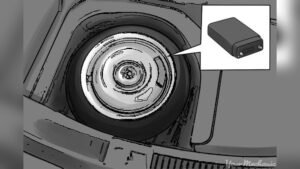
Have you ever wondered if your car has a hidden GPS tracker? Especially when it comes to repossession, knowing whether your vehicle can be tracked changes everything.
If you’re worried about losing your car or just curious about how repossession works, this article will give you clear answers. By the end, you’ll understand how GPS trackers play a role—and what that means for you and your vehicle.
Keep reading to find out the truth behind car GPS trackers and repo.

Credit: fleet1st.io
Gps Trackers In Repossession
GPS trackers play a big role in vehicle repossession. These devices help lenders find cars that borrowers have not paid for. The trackers make it easier and faster to locate vehicles. This reduces costs and avoids long searches. Understanding how these trackers work can help car owners and buyers stay informed.
How Gps Trackers Work
GPS trackers use satellites to find a car’s exact location. The tracker sends this data to a central system. Repossession agents access this system to see the car’s position on a map. The device updates location regularly, sometimes every few seconds. This real-time tracking helps agents move quickly to recover vehicles.
Trackers can be hidden inside the car or attached underneath. Some models connect to the car’s battery for constant power. Others have their own batteries that last weeks or months. The tracker sends signals through cellular networks to share location data.
Common Types Of Trackers Used
There are several types of GPS trackers used in repossession. Hardwired trackers connect directly to the car’s electrical system. They provide continuous power and reliable tracking. Magnetic trackers stick to the car’s metal parts. These are easy to hide and remove but need battery power.
Battery-powered trackers are portable and simple to place. They last for weeks but require recharging or replacement. Some trackers combine GPS and radio frequency for better accuracy. This mix helps locate cars even in tough areas like garages or dense cities.
Credit: www.reddit.com
Reasons For Using Gps Trackers
GPS trackers have become common tools for repossession. They help lenders find vehicles quickly and safely. Tracking devices reduce the time and cost of repossession. They also help avoid conflicts between lenders and borrowers. Many lenders use GPS to keep better control of their assets.
Benefits For Lenders
GPS trackers give lenders real-time vehicle location. This helps lenders act fast if payments stop. They can recover cars without sending agents to search. It lowers the risk of damage or theft during repossession. Lenders save money by reducing storage and towing costs. Tracking also deters borrowers from hiding or selling cars illegally.
Legal Considerations
Using GPS trackers must follow state and federal laws. Lenders need borrower consent before installing trackers in some places. Privacy rules protect individuals from unwanted surveillance. Lenders should clearly explain tracking terms in loan contracts. Proper use of GPS ensures legal repossession without lawsuits. Ignoring laws can lead to penalties and complications.
Locating A Vehicle With A Tracker
Locating a vehicle with a tracker helps repossession agents find cars quickly. Trackers use GPS technology to send location data. This makes it easier to recover vehicles without wasting time. The trackers can show real-time locations on a map. They provide accurate data that updates often. This technology improves the chances of getting the car back fast.
Real-time Tracking Features
Trackers send live updates every few seconds or minutes. This lets agents see exactly where the vehicle is. Alerts can notify when the car moves or leaves a set area. Some trackers include speed monitoring. This helps know if the car is being driven or parked. Real-time tracking reduces the chances of losing a vehicle. It also helps plan the best route for repossession.
Limitations And Challenges
GPS signals can be weak or lost in some places. Urban areas with tall buildings can block signals. Thick forests or tunnels may stop tracking temporarily. Trackers need power to work, so dead batteries cause problems. Some vehicles may have trackers hidden or disabled by owners. Privacy laws can limit how and when trackers are used. These factors can slow down or stop locating a car.
Privacy And Ethical Issues
Cars with GPS trackers raise important privacy and ethical questions. These devices collect location data, which can affect personal privacy. Understanding these issues helps owners and users make informed choices.
Consent And Disclosure
Car owners should know if a GPS tracker is installed. Consent means agreeing to the use of such devices. Without clear disclosure, tracking feels like a breach of trust. Transparent communication about GPS use protects everyone involved. This respect builds better relationships between lenders, repossession agents, and customers.
Potential Misuse
GPS trackers can be misused for spying or stalking. Unauthorized access to tracking data puts privacy at risk. There is a danger of data falling into the wrong hands. Misuse can harm people beyond just locating a vehicle. Strong rules and security measures are needed to prevent abuse.
Alternatives To Gps Tracking
Car repossession does not rely only on GPS tracking. There are other ways lenders recover vehicles. These methods help find cars when GPS is not an option. Understanding these alternatives gives a clearer picture of how repossessions work.
Traditional Repo Methods
Repossession agents use physical surveillance to find vehicles. They watch places where owners often park. Agents may track car registration and loan records. They contact neighbors or use public records for clues. Sometimes, they follow the borrower discreetly. This approach depends more on human effort than technology.
Technological Innovations
Besides GPS, lenders use other tech tools to locate cars. Some use license plate recognition cameras. These cameras scan streets and parking lots automatically. Data from mobile phones can also help track vehicles. Digital payment records may show where the owner uses the car. These technologies support but do not replace human work.
What To Do If Your Car Has A Tracker
Finding out your car has a GPS tracker can be unsettling. Many people wonder what steps to take next. Knowing how to handle this situation protects your privacy and rights. Taking quick and careful action is important.
Checking For Trackers
Start by inspecting your vehicle carefully. Look under the dashboard, inside wheel wells, and near the battery. Small devices or wires may be hidden in these spots. Use a flashlight to help see better in dark areas. A professional mechanic can also check for trackers. They have tools to find hidden devices easily. Regularly checking your car keeps you aware of any changes.
Legal Rights Of Vehicle Owners
Knowing your legal rights is key when dealing with trackers. Laws about GPS tracking vary by location. Some places allow trackers only with owner consent. Others restrict tracking to specific situations, like repossession. Removing a tracker without permission might cause legal issues. Contact a local attorney to understand your rights. Protect your privacy while following the law.

Credit: mesidatech.com
Frequently Asked Questions
Do Repo Cars Have Gps Trackers Installed?
Yes, many repossessed cars have GPS trackers. Lenders often install these to locate vehicles quickly if payments stop. This technology helps repossession agents find cars without physical searches, speeding up the recovery process.
How Do Gps Trackers Help In Car Repossession?
GPS trackers provide real-time location data to lenders. This allows easy monitoring of the vehicle’s whereabouts. It reduces the time and cost involved in repossessing a car, making the process more efficient and secure.
Can Car Owners Disable Gps Trackers For Repo?
Disabling GPS trackers is illegal and can lead to penalties. Most trackers are hidden or tamper-proof to prevent disabling. Attempting to remove them may result in legal consequences and faster repossession actions.
Are Gps Trackers Standard In All Repo Vehicles?
Not all repo vehicles have GPS trackers. It depends on the lender and contract terms. Some lenders use traditional methods, while others rely heavily on GPS technology for tracking.
Conclusion
Cars used for repossession often have GPS trackers installed. These devices help lenders find vehicles quickly when payments stop. Not all cars have trackers, but many do for security reasons. Knowing this can help borrowers understand how repossession works. Staying informed can prevent surprises and encourage timely payments.
Always communicate with your lender if you face difficulties. This simple step can avoid repossession and extra fees. Keep track of your loan terms and payment schedule carefully. Being aware is the best way to protect your vehicle and finances.
As an Amazon Associate, I earn from qualifying purchases.