
As an Amazon Associate, I earn from qualifying purchases.
Have you ever wondered if your car is being tracked? Whether you’re worried about privacy or curious about how modern vehicles stay connected, understanding if cars have trackers is important.
You might be surprised to learn how common tracking devices are and what that means for your everyday driving. Keep reading to uncover the truth about car trackers and what you need to know to stay in control of your own ride.
How Vehicle Trackers Work
Vehicle trackers help monitor cars by sending location data. These devices use technology to find where a car is and share that information. Understanding how they work helps you know their benefits and limits.
Types Of Trackers
There are two main types of vehicle trackers: passive and active. Passive trackers record data, but you must retrieve it later. Active trackers send data in real-time. Both types help track vehicles but serve different needs.
Gps Technology In Cars
Most vehicle trackers use GPS to find a car’s location. GPS works by connecting to satellites orbiting Earth. It calculates the car’s position by measuring distances from several satellites. This method gives accurate location data anywhere outdoors.
Data Transmission Methods
Trackers send data through networks like cellular or radio signals. Cellular networks are common for real-time tracking. They use mobile data to transmit information to a server. Some trackers use radio waves for short-distance communication. This data travels quickly to provide updates about the vehicle’s location.
Factory-installed Trackers
Many modern cars come with factory-installed trackers. These trackers are built into the vehicle during manufacturing. They help with several important tasks related to safety and convenience. Car makers include these trackers to add value and improve user experience.
Purpose And Benefits
Factory-installed trackers help locate vehicles if stolen. They allow quicker recovery by law enforcement. Trackers also assist with emergency services in accidents. Some systems help monitor car health and maintenance needs. They provide peace of mind to car owners. Fleet managers use them to track multiple vehicles easily.
Common Features
These trackers use GPS technology to find the car’s location. Some connect to smartphones for real-time updates. They may include alerts for speeding or unauthorized movement. Many systems offer geofencing to set safe zones. Data often syncs with cloud services for easy access. Integration with other car systems is common.
Privacy Concerns
Tracking raises worries about personal privacy. Some owners fear constant monitoring of their whereabouts. Data security is a risk if trackers are hacked. Car makers must follow strict rules to protect information. Users can sometimes control what data is shared. Transparency about tracking use builds trust with owners.
Aftermarket Tracking Devices
Aftermarket tracking devices offer car owners an option to add GPS tracking to their vehicles. These devices work independently of factory-installed systems. They help track location, monitor driving habits, and even recover stolen cars.
Many people choose aftermarket trackers for security or fleet management. These devices come in various styles and features to fit different needs. Installation is usually simple, and costs vary based on the device and features.
Popular Models
Some popular aftermarket trackers include the Vyncs GPS Tracker, Spytec GL300, and Bouncie. Each model offers real-time tracking and alerts. Many support mobile apps for easy access. Some provide extra features like driver reports and geofencing.
Installation Process
Installing aftermarket trackers usually does not require special tools. Many devices plug into the car’s OBD-II port under the dashboard. Others attach with magnets or wires inside the vehicle. Installation can take less than 30 minutes. No professional help is often needed.
Cost And Maintenance
Costs for aftermarket tracking devices range from $50 to $200. Monthly service fees may apply for data plans. Maintenance is minimal, mostly charging or replacing batteries. Some devices draw power from the car, so no charging is needed. Regular checks ensure the device works properly.
Legal Aspects Of Car Tracking
Car tracking raises many legal questions. Knowing the laws helps protect your rights and avoid trouble. Laws vary by place but some rules are common everywhere. Understanding these rules helps owners and users stay safe and legal.
Owner Consent Requirements
Most places require the car owner’s permission before installing a tracker. Tracking a vehicle without consent can be illegal. Consent must be clear and given freely. This rule protects privacy and prevents spying.
In some cases, employers can track company cars. They must inform drivers about the tracking. Clear communication is key to avoid legal issues.
Law Enforcement Use
Police often use car trackers during investigations. They usually need a court order or warrant. This legal step ensures tracking respects privacy rights. Without proper permission, evidence may be rejected in court.
Tracking helps find stolen cars or suspects. Law enforcement follows strict rules to protect citizens. Misuse of tracking devices by police is punishable by law.
Privacy Laws And Regulations
Privacy laws protect individuals from unwanted tracking. They limit how and when tracking data can be collected. Companies must follow these laws or face penalties.
Tracking data should be stored safely and only used for stated purposes. Sharing data without permission is often illegal. Privacy laws aim to balance security and personal freedom.
Detecting Trackers On Your Vehicle
Detecting trackers on your vehicle is important for privacy and security. Trackers can be small and hidden well. They may follow your car’s location without your knowledge. Knowing how to find these devices helps you stay safe.
There are different ways to spot trackers. Some signs appear during a simple check. You can also use tools to detect signals. For a thorough search, professionals can inspect your vehicle carefully.
Signs Of Hidden Devices
Look for unusual wires or small boxes under your car. Check inside wheel wells and bumpers. Listen for beeping sounds when the car is off. A tracker may cause your battery to drain fast. Strange magnets can also hold trackers in place.
Using Detection Tools
Use a GPS detector to find tracker signals. These devices scan for radio waves from trackers. A bug detector can also help find hidden electronics. Walk slowly around your car while scanning. Turn off other electronic devices to avoid interference.
Professional Inspection Options
Experts use advanced tools to find trackers easily. They check all parts of your vehicle carefully. Professionals can remove any devices safely. A full inspection gives peace of mind. Choose a trusted service with good reviews for best results.

Credit: mesidatech.com
Benefits Of Vehicle Tracking
Vehicle tracking systems offer many benefits for car owners and businesses. They help keep cars safe and improve how vehicles are managed. These systems use GPS technology to provide real-time information on a vehicle’s location and status. This information makes driving and managing vehicles easier and more secure.
Theft Recovery
Vehicle trackers help find stolen cars quickly. The GPS system sends the exact location to the owner or police. This speeds up the recovery process and lowers the chance of damage. Car owners feel safer knowing their vehicle can be found fast.
Fleet Management
Businesses use vehicle tracking to manage their fleets better. They can see where each vehicle is in real time. This helps plan routes and save fuel. Managers also check driver behavior to improve safety and reduce costs. The system keeps the fleet organized and efficient.
Insurance Advantages
Insurance companies offer lower rates for cars with trackers. They trust that these cars are less likely to be stolen. Some insurers give rewards for safe driving, tracked by the system. This can reduce premiums and make insurance more affordable.
Risks And Drawbacks
Cars with trackers offer benefits but also come with risks and drawbacks. These concerns affect owners’ privacy and safety. Understanding these issues helps drivers stay aware and cautious.
Privacy Invasion
Trackers can collect detailed data about a car’s location and usage. This information may reveal personal habits and routines. Such data can be accessed without the owner’s full consent. This raises serious privacy concerns for many drivers.
Potential For Misuse
Trackers can fall into the wrong hands. Thieves or hackers might use them to track vehicles illegally. Employers might misuse tracking to monitor employees too closely. This misuse can lead to trust issues and legal problems.
Technical Limitations
Trackers depend on signals like GPS and cellular networks. These signals can be weak or lost in certain areas. Technical glitches can cause inaccurate tracking or failure to locate the car. Relying only on trackers may give a false sense of security.

Credit: advantage.com
Future Of Car Tracking Technology
The future of car tracking technology looks bright and full of new features. Cars will become smarter and more connected. Tracking systems will grow more precise and reliable. Security will improve to protect drivers and their vehicles. These changes will affect how we use and trust car trackers.
Integration With Smart Cars
Car trackers will link directly to smart car systems. They will share data with navigation, safety, and entertainment features. This will help drivers get real-time updates about their vehicle’s location. Smart cars will use tracking to improve route planning and emergency response. Integration will make car tracking a natural part of driving.
Advancements In Accuracy
Tracking devices will become more accurate than ever. New sensors and satellite systems will reduce errors in location data. This means faster and clearer tracking of cars in any environment. Drivers will see exact positions on their phones or car screens. Better accuracy also helps in finding lost or stolen vehicles quickly.
Emerging Security Measures
Security will be a top priority in future car trackers. Encryption and secure communication will protect tracking information. Only authorized users will access car location data. Advanced features will detect hacking attempts or unauthorized access. These security steps will build trust and keep cars safe from theft.
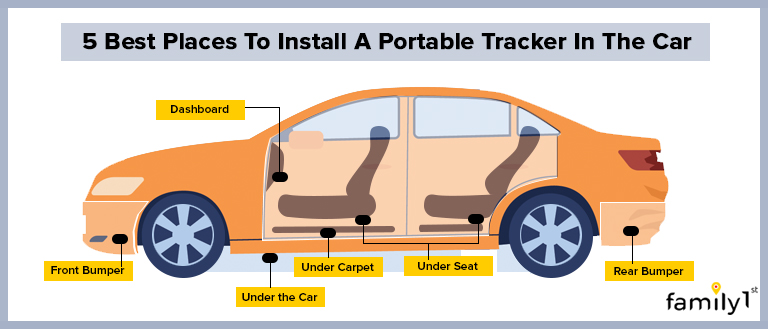
Credit: family1st.io
Frequently Asked Questions
Do All Cars Have Built-in Trackers?
Not all cars have built-in trackers. Many modern vehicles include GPS for navigation, but only some have active tracking systems for security or telematics.
How Do Car Trackers Work?
Car trackers use GPS satellites to determine location. They send this data via cellular networks to owners or monitoring services for real-time tracking.
Can I Disable A Car Tracker?
Disabling a car tracker depends on its type. Some are easily removed, while factory-installed trackers may require professional assistance to disable.
Are Car Trackers Legal To Use?
Yes, car trackers are legal when used on vehicles you own. Unauthorized tracking of others’ vehicles can violate privacy laws.
Conclusion
Cars often have trackers for safety and security reasons. These devices help find vehicles if stolen or lost. Some trackers come built-in, while others can be added later. Knowing about trackers helps you protect your car better. Always check your car’s features before buying.
Stay informed to keep your vehicle safe and secure.
As an Amazon Associate, I earn from qualifying purchases.
