
Have you ever wondered if classrooms have cameras watching you? Whether you’re a student, a parent, or a teacher, this question might make you curious or even a bit concerned.
Cameras in classrooms can affect your privacy, safety, and how you learn or teach. Keep reading to discover the truth about classroom cameras, why they might be there, and what it means for you every day. This information could change how you see your school environment forever.
Credit: www.rhombus.com
Classroom Surveillance Trends
Classroom surveillance has become a common topic in education today. Schools use cameras to keep students safe and maintain order. The trend shows a clear increase in using technology to monitor classrooms.
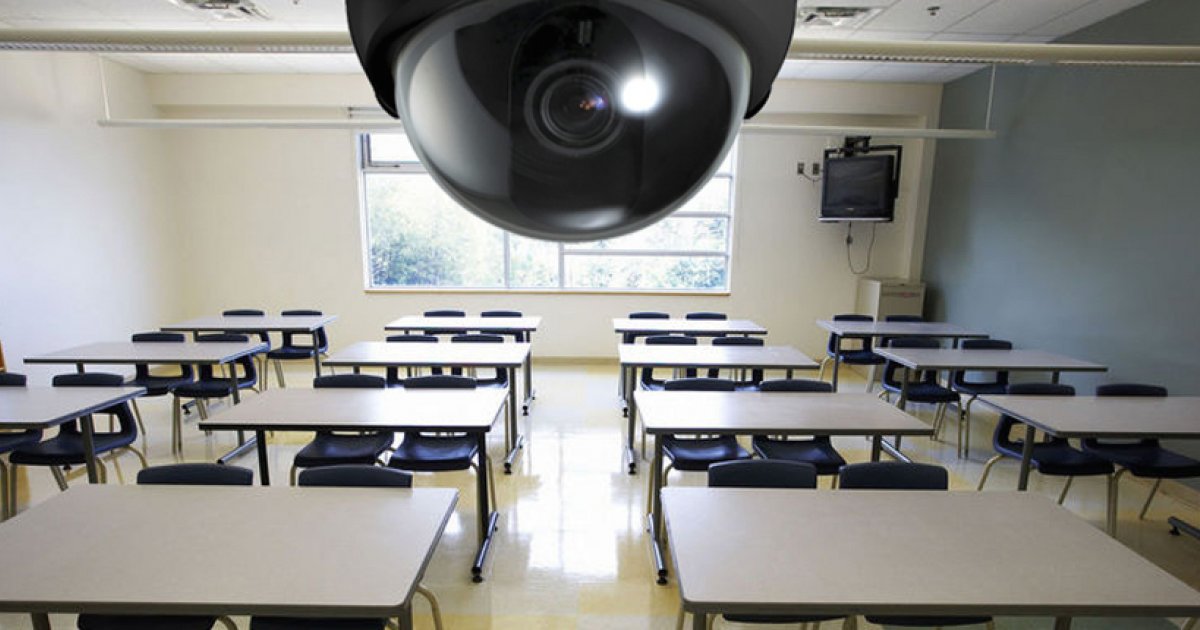
Many schools install cameras to watch over hallways, entrances, and classrooms. This helps staff respond quickly to problems and prevents bad behavior. The types and use of these cameras vary by location and school rules.
Rise Of Cameras In Schools
More schools add cameras every year. Safety concerns and past incidents push schools to act. Cameras serve as a tool to protect students and teachers. They also help with discipline and reduce bullying.
Types Of Cameras Used
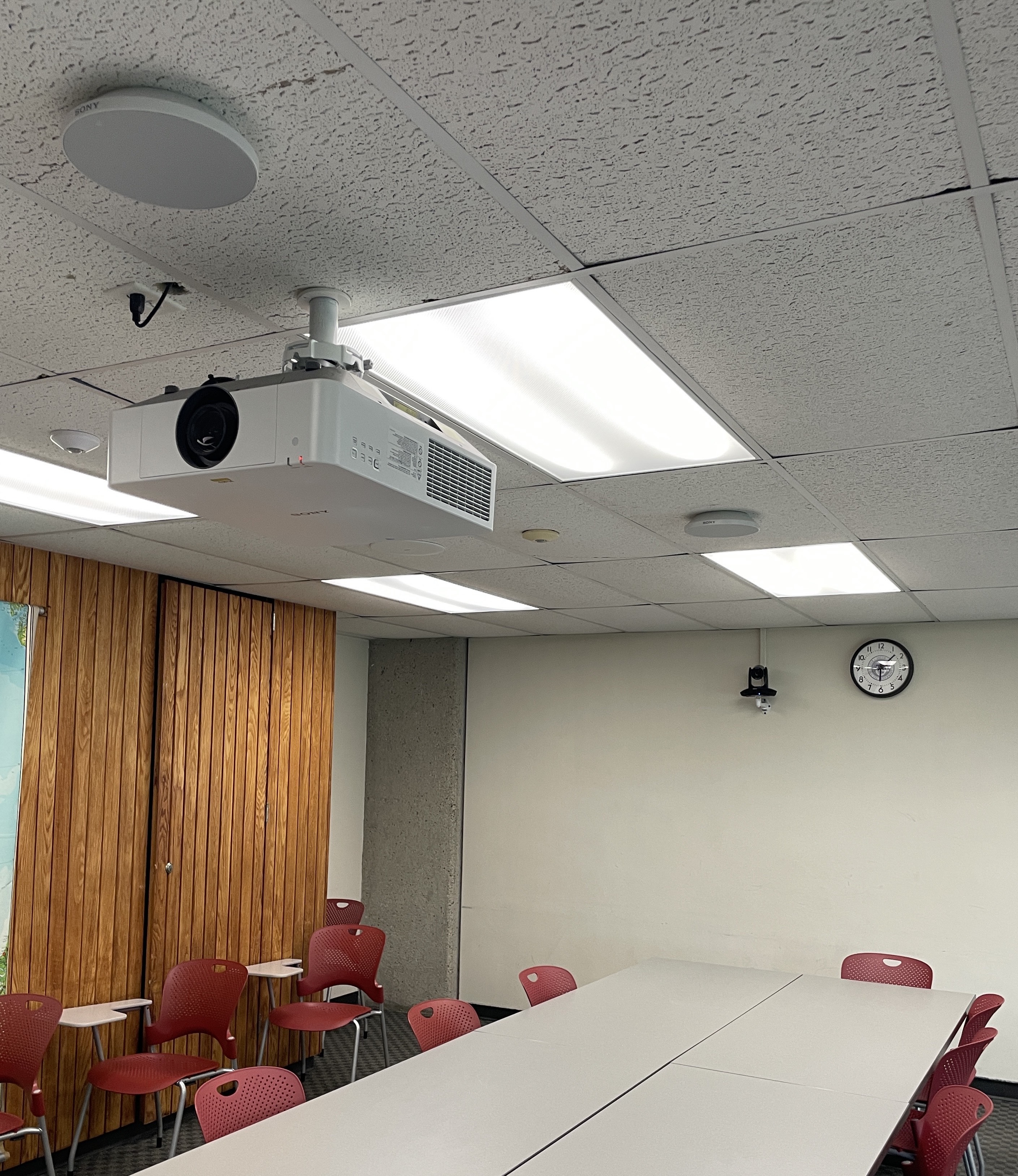
Schools use different cameras. Fixed cameras stay in one spot. They watch specific areas like classroom doors. PTZ cameras can move and zoom. They cover larger spaces and follow activity. Some schools use hidden cameras to catch serious issues.
Geographical Differences
Camera use changes by country and region. Some places have strict rules about privacy. Others allow more camera coverage for safety. Urban schools often have more cameras than rural ones. Local laws shape how schools use surveillance technology.
Credit: www.nea.org
Purposes Of Classroom Cameras
Classroom cameras serve several important purposes. Schools use these cameras to create a safer and more productive learning environment. Cameras help staff monitor activities and prevent problems before they grow. They provide clear evidence if any issues arise. Each purpose has a unique role in improving school life.
Enhancing Student Safety
Cameras watch over students to keep them safe. They help spot dangers quickly, like bullying or accidents. Teachers and staff can respond faster to emergencies. Cameras make students feel more secure during school hours. This safety boost helps students focus better on learning.
Monitoring Teacher Performance
Schools use cameras to observe how teachers teach. This helps ensure lessons are clear and effective. Cameras can also support teacher training and improvement. They allow supervisors to give helpful feedback based on real examples. The goal is better teaching and stronger student success.
Preventing Misconduct
Cameras discourage bad behavior by students and staff. Knowing they are watched reduces chances of cheating or bullying. Cameras provide proof in case of complaints or disputes. This creates a fair and respectful school environment. Everyone is reminded to act responsibly and kindly.
Privacy Concerns And Rights
Classroom cameras bring many questions about privacy and rights. Cameras can help with safety but also raise concerns. Students, teachers, and schools all have rights that matter. Understanding these helps protect everyone in the classroom.
Student Privacy Issues
Students have a right to privacy during lessons. Cameras may capture private moments or personal information. This can make students feel watched or unsafe. Schools must balance safety and respect for student privacy. Clear rules help avoid misuse of recorded footage.
Teacher Privacy Challenges
Teachers also face privacy concerns with cameras in classrooms. Cameras can record mistakes or personal behavior. This may affect teacher trust and comfort. Teachers need clear guidelines on how recordings are used. Respecting teacher privacy supports a positive learning environment.
Legal Regulations On Surveillance
Laws protect privacy rights in schools and classrooms. Schools must follow local and national rules about cameras. Consent from parents or staff may be required. Regulations limit how footage is stored and shared. Legal rules aim to keep surveillance fair and safe.
Credit: www.brandeis.edu
Impact On Learning Environment
The presence of cameras in classrooms changes the learning environment in many ways. Cameras can affect how students behave, how teachers and students feel, and how the class works together. These changes can be both good and bad. Understanding these effects helps schools decide if cameras are right for their classrooms.
Effects On Student Behavior
Cameras often make students act differently. Many students try to be more careful and follow rules better. Some feel watched all the time and may become less relaxed. Others might feel nervous or anxious, which can hurt their ability to focus. Cameras can stop bad behavior but may also reduce students’ natural interactions.
Teacher And Student Stress Levels
Being recorded can increase stress for both teachers and students. Teachers might worry about making mistakes on camera. Students might feel pressure to perform perfectly. This stress can make learning and teaching harder. Too much stress reduces motivation and enjoyment in class.
Influence On Classroom Dynamics
Cameras can change how people in the classroom relate to each other. Some students may speak less or avoid sharing ideas. Teachers may feel less free to try new teaching styles. The natural flow of conversation can become stiff. This can slow down learning and reduce creativity in the classroom.
Alternatives To Cameras
Many schools choose alternatives to cameras for safety and supervision. These methods focus on people and technology that help create a safe learning space. They respect privacy and still protect students and staff.
Increased Staff Presence
Having more teachers and staff in hallways and classrooms helps monitor behavior. Staff can quickly respond to problems and support students. This personal presence builds trust and keeps students safe.
Use Of Technology For Safety
Schools use devices like emergency alert systems and communication tools. These help staff report issues fast and get help quickly. Technology like door alarms and visitor check-ins also improve safety without cameras.
Community And Parental Involvement
Parents and community members play a key role in school safety. They can volunteer, attend meetings, and watch over school events. This teamwork creates a strong support system for students and staff.
Future Of Classroom Surveillance
The future of classroom surveillance is changing fast. Schools want to keep students safe. Cameras and other tools help watch over classrooms. New technology brings new ways to protect and learn. At the same time, there are worries about privacy and trust. Understanding what is coming can help parents, teachers, and students prepare.
Emerging Technologies
Smart cameras are becoming more common in classrooms. These cameras can detect unusual behavior. Some use artificial intelligence to spot fights or bullying. Sensors can track noise levels and movement. Virtual reality tools may also monitor student engagement. These tools collect data to improve safety and learning.
Balancing Safety And Privacy
Watching classrooms closely can feel uncomfortable. Students and teachers want privacy too. Schools must find ways to protect both safety and privacy. Clear rules about camera use help build trust. Limiting who can see the footage is important. Privacy guards must work alongside security measures.
Policy Developments
Governments and schools create new rules for surveillance. These policies guide how cameras are used. They set limits on recording and data storage. Parents and teachers often join discussions about these rules. Good policies protect students’ rights and keep schools safe.
Frequently Asked Questions
Do Classrooms Typically Have Surveillance Cameras?
Many classrooms have cameras for security and monitoring. Schools use them to ensure safety and prevent misconduct. However, camera presence varies by school policy and location. Not all classrooms are equipped with cameras.
Are Classroom Cameras Used For Student Behavior Monitoring?
Yes, some schools use cameras to observe student behavior. This helps maintain discipline and safety. Cameras act as a deterrent against bullying and vandalism. Privacy laws regulate how footage is used.
Can Parents Access Classroom Camera Footage?
Generally, parents cannot directly access classroom camera footage. Schools keep recordings confidential to protect privacy. Footage is shared only during investigations or legal matters. Policies differ by school district and region.
Are Classroom Cameras Legal In Schools?
Classroom cameras are legal if schools follow privacy laws. Schools must inform students and parents about camera use. Cameras should not invade personal privacy or record audio secretly. Legal guidelines vary by country and state.
Conclusion
Classroom cameras are becoming more common in schools today. They help keep students safe and monitor activities. Some people worry about privacy and trust. Schools must balance security with respect for privacy. Cameras can support teachers and protect students when used right.
Understanding their purpose helps us accept new technology in education. The choice to use cameras depends on each school’s rules and needs. Always ask questions and stay informed about classroom cameras.
As an Amazon Associate, I earn from qualifying purchases.
