
Have you ever wondered if your dash camera keeps an eye on your car when it’s parked and the engine is off? You might think these gadgets only work while you’re driving, but what if something happens while you’re away?
Imagine having proof right when you need it most—without any guesswork. You’ll discover how dash cameras function when your car isn’t running, what features to look for, and how to make sure your vehicle stays protected around the clock. Keep reading to find out how to keep your peace of mind, even when your car is off.
Dash Camera Power Basics
Dash cameras need power to record and save videos. Understanding how they get power helps explain if they work when the car is off. Some dash cams turn off with the car, while others keep recording. The power source plays a big role in this behavior.
Dash cameras use different ways to get power. Some have batteries inside. Others connect directly to the car’s electrical system. Each method has its benefits and limits. Knowing these basics helps you choose the right dash cam for your needs.
How Dash Cameras Get Power
Most dash cameras get power from the car’s 12V socket or cigarette lighter. This power turns off when the car engine stops. So, the dash cam also shuts off. Some dash cams have small batteries. These batteries keep the camera on for a short time after the car stops.
Other dash cams connect directly to the car’s fuse box. This connection can give power even when the car is off. It allows the camera to keep recording, especially for parking mode features. The power source affects how long and when the dash cam works.
Battery Vs Hardwired Connections
Battery-powered dash cams are easy to install. They do not need extra wiring. The battery lasts only a few minutes after the car turns off. This time is usually enough for emergency recording.
Hardwired dash cams connect to the car’s electrical system. They get constant power, even if the car is off. This setup supports parking mode recording for hours. Installation is more complex but provides better protection.
Choosing between battery or hardwired depends on how long you want the dash cam to work. Battery power is simple but short-lived. Hardwired offers longer use but needs professional setup.

Credit: in.redtigercam.com
Parking Mode Explained
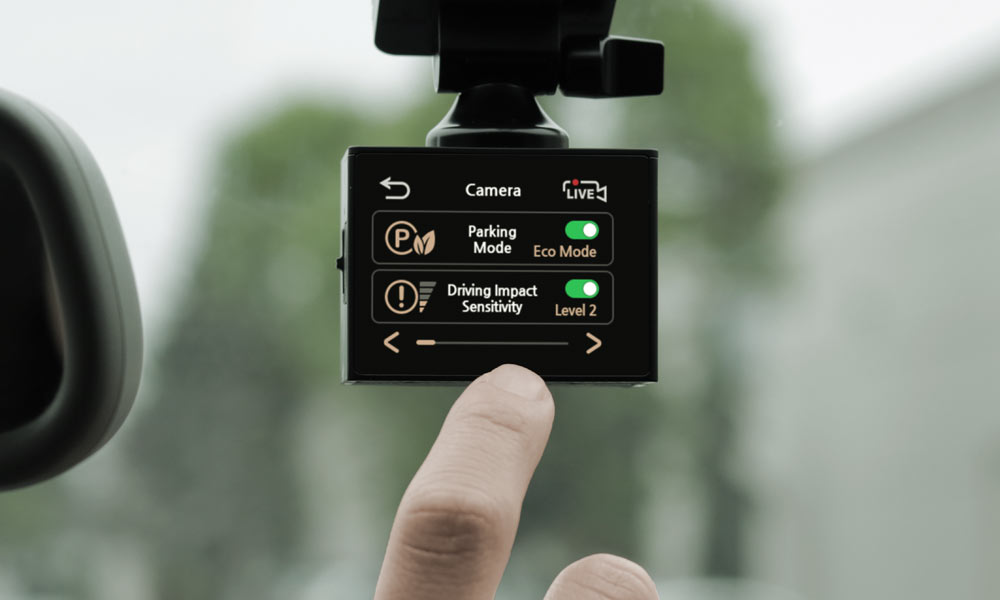
Parking mode is a special feature in many dash cameras. It lets the camera keep recording even when the car is off. This helps capture any events near your car during parking. It offers extra security and peace of mind.
Not all dash cams have parking mode. Some need extra power or special settings to work. Understanding how parking mode works can help you choose the right dash cam for your needs.
What Triggers Parking Mode
Parking mode starts recording when the car is off. The camera detects movement near the vehicle. It also reacts to impacts or vibrations.
Some dash cams use motion sensors. These sensors spot moving objects around the car. Others use a G-sensor to detect shocks. A hit or bump triggers the camera to record.
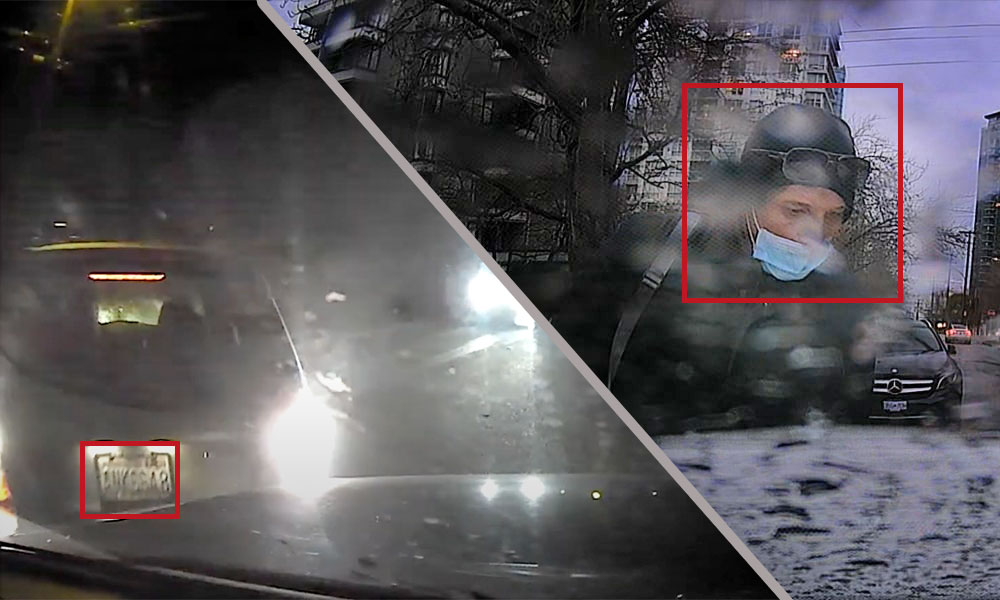
The camera saves the footage automatically. This helps catch hit-and-runs or vandalism. The recording usually stops after a set time without activity.
Types Of Parking Mode Features
Parking mode varies by dash cam model. Basic parking mode records only when motion is detected.
Advanced models offer time-lapse recording. They capture slow events without using much power. This extends battery life while parked.
Some dash cams connect to a car battery pack. This lets parking mode run longer. Other dash cams use a supercapacitor for power backup.
Another feature is event detection. The camera saves important moments separately. This makes it easy to find key clips later.
Battery Drain Concerns
Dash cameras often keep recording even when the car is off. This feature helps catch events like theft or damage. But many worry about the camera draining the car battery. Battery drain is a real concern for many drivers. Understanding how dash cams affect battery life is important.
Impact On Car Battery Life
Dash cameras use power from the car battery. When the engine is off, the battery is the only power source. Continuous recording can slowly drain the battery. A weak battery may fail to start the car the next day. Some cameras draw very little power, making the drain small. Others with parking mode or motion detection use more energy. The battery drain depends on camera type and settings. Old or weak batteries suffer more from any drain.
Preventing Battery Drain
Choose a dash camera with low power consumption. Look for models with parking mode timers. Timers turn off the camera after some time. Use a hardwire kit with a voltage cutoff feature. This stops the camera if the battery voltage is low. Regularly check the battery health to avoid surprises. Disconnect the dash cam if you park for many days. These steps reduce the risk of running out of battery power.
Credit: www.momentocam.com
Hardwiring Dash Cameras
Hardwiring dash cameras connects them directly to the car’s electrical system. This setup lets the camera run even when the car is off. Many drivers choose hardwiring to keep their vehicles protected 24/7. It avoids the need to rely on the cigarette lighter or USB ports, which turn off with the engine.
Benefits Of Hardwiring
Hardwiring allows continuous power to the dash camera. This means the camera records incidents while parked. It helps capture hit-and-run accidents or vandalism. Hardwiring also keeps the camera’s parking mode active. Parking mode uses motion or impact sensors to start recording automatically. The camera does not drain the car battery much if installed properly. It also keeps the interior clean without loose cables.
Installation Tips
Choose a fuse that powers off with the ignition. This prevents battery drain when the car is unused for long. Use a fuse tap for easy connection to the fuse box. Hide wires under the car’s trim and headliner for a neat look. Secure the ground wire to a metal part of the car chassis. Test the camera after installation to ensure it powers on and off correctly. If unsure, seek professional help to avoid electrical issues.
Alternative Power Solutions
Dash cameras usually need power from the car to work. When the car is off, most dash cams stop recording. Alternative power solutions help keep your dash cam on, even when the car is not running. These options give extra power to your dash cam. They make sure your car stays under watch all the time. Two popular choices are external batteries and solar-powered devices.
Using External Batteries
External batteries are a simple way to power dash cams. You connect a battery pack to the dash cam. This lets the camera keep running after you switch off the car. The batteries store energy and release it as needed. They are easy to install and remove. Some battery packs can power your dash cam for hours. This is perfect for long parking times or trips. They also help protect your car’s main battery from draining.
Solar-powered Options
Solar-powered dash cams use sunlight to charge their batteries. A small solar panel connects to the dash cam or its battery pack. The panel collects sun energy and turns it into power. This method is eco-friendly and saves money on electricity. Solar power is great for places with lots of sunlight. It keeps your dash cam working without using your car’s battery. These systems often work well during the day but may need backup power at night.
Legal And Safety Considerations
Dash cameras provide security and evidence during and after driving. Knowing legal and safety aspects helps you use them correctly. Laws and privacy rules vary by place. Staying informed keeps you safe from legal troubles and respects others’ rights.
Privacy Issues
Dash cams record video and sound inside and outside the car. This raises privacy concerns for passengers and bystanders. Recording without permission can violate privacy laws. Always inform passengers about dash cam use. Avoid placing cameras where they invade personal space. Store and share footage carefully to protect privacy.
Local Laws On Dash Cam Usage
Each region has different rules about dash cam use. Some places allow recording only while driving. Others permit parking mode recording when the car is off. Check local laws before using your dash cam. Certain areas restrict audio recording or camera placement. Follow these rules to avoid fines or legal issues.
Choosing The Right Dash Camera
Dash cameras help protect your car even when it is off. Not all dash cams work the same way. Some have special features that let them record while parked. Choosing the right model can keep your vehicle safe from damage or theft.
Many dash cameras offer parking mode. This mode activates the camera when it senses motion or impact. It keeps recording without needing the engine on. A good dash cam with parking mode gives peace of mind during long stops.
Features To Look For
Look for a dash cam with reliable parking mode. It should start recording automatically on motion or shock detection. A battery or supercapacitor helps the camera stay on without draining the car battery.
Night vision is important for clear video in low light. Wide-angle lenses capture more of the surroundings. Loop recording saves space by overwriting old footage. A parking timer extends recording time after the car is off.
Top Models For Parking Mode
Several dash cams stand out for parking mode features. Think about models from brands like VIOFO, Thinkware, and BlackVue. These offer good video quality and smart motion detection.
VIOFO A129 Pro captures clear images day and night. Thinkware F800 Pro has advanced parking surveillance with impact detection. BlackVue DR900X records in 4K resolution and uses cloud storage.
Choose a model with easy installation and good customer support. This helps ensure the camera works well when your car is off.
Credit: www.momentocam.com
Frequently Asked Questions
Do Dash Cameras Record When Car Is Off?
Some dash cameras record after the car is off if connected to a constant power source or battery. Parking mode features allow recording during parked hours for security and incident capture.
How Do Dash Cameras Get Power When Car Is Off?
Dash cameras get power when the car is off via hardwiring kits or built-in batteries. Hardwiring connects to the car’s fuse box, providing constant power for parking mode.
Can Dash Cameras Drain Car Battery When Off?
Yes, dash cameras can drain the car battery if left on parking mode for long periods. Choose low-power models or install voltage cut-off devices to prevent battery drain.
Do All Dash Cameras Support Parking Mode Recording?
Not all dash cameras support parking mode. Only models with built-in parking mode or external power options can record while the car is off.
Conclusion
Dash cameras may or may not work when the car is off. It depends on the model and power source. Some cameras need constant power to record. Others stop recording when the car shuts down. Parking mode is a feature to watch for.
It keeps the camera active while parked. Always check your dash cam’s manual for details. Knowing this helps protect your car better. Choose a camera that fits your needs well. Safety and evidence matter, even when the engine is off.
As an Amazon Associate, I earn from qualifying purchases.
