
Have you ever stepped into an elevator and wondered, “Are there cameras watching me right now?” You’re not alone.
Many people feel curious—and sometimes uneasy—about what’s really happening inside those small, enclosed spaces. Whether you’re concerned about privacy, safety, or just plain curious, understanding if elevators have cameras can change how you feel every time you press that button.
Let’s dive into the truth behind elevator cameras and what it means for you.
Elevator Cameras Basics
Elevators often have cameras installed inside. These cameras help keep people safe and monitor activity. Understanding elevator cameras basics is important for anyone who uses elevators daily.
Cameras in elevators vary by type and purpose. They are not just for security. They also help in managing elevator operations smoothly and safely.
Common Types Of Cameras
Most elevators use small, dome-shaped cameras. These cameras capture wide views inside the elevator. Some use fixed cameras that point in one direction. Others have pan-tilt-zoom features to cover more areas.
Many cameras are infrared. This means they can record in low light or darkness. The quality of images varies from standard to high definition. It depends on the building’s budget and security needs.
Why Cameras Are Installed
Cameras help prevent crimes such as theft or vandalism. They provide evidence if something goes wrong. Building managers can watch live footage to respond quickly to emergencies.
Cameras also improve safety by deterring bad behavior. People feel more secure knowing the elevator is monitored. This can reduce accidents and unwanted incidents inside elevators.
Legal Rules For Elevator Surveillance
Elevator cameras raise important legal questions. Surveillance in elevators must follow strict rules. These rules protect privacy and ensure proper use of cameras. Understanding these laws helps building owners and users stay safe and respectful. Below are key legal rules for elevator surveillance.
Privacy Laws Impacting Cameras
Privacy laws limit where cameras can record. Public areas like elevator interiors often allow cameras. Private spaces, such as restrooms, never allow cameras. Laws vary by country and state. They focus on protecting personal privacy. Cameras cannot record audio without consent in many places. These laws prevent misuse of recorded footage.
Notification Requirements
Many laws require clear signs about elevator cameras. Notices must tell people cameras are in use. Signs should be easy to see and read. This helps people understand they are being recorded. Notification builds trust and respects privacy rights. Some places also require written consent from residents or employees.
Safety Benefits Of Elevator Cameras
Elevator cameras offer important safety benefits for passengers and building management. They provide a way to monitor activities inside the elevator in real time. Cameras help create a safer environment by reducing risks and improving response times during emergencies.
Crime Deterrence
Cameras discourage bad behavior inside elevators. People think twice before committing crimes like theft or vandalism. Knowing they are watched reduces the chance of crime. This keeps elevators safer for everyone.
Emergency Response
Cameras allow quick detection of emergencies. Staff or security can see problems right away. They can send help faster in case of accidents or medical issues. This quick response can save lives and prevent harm.
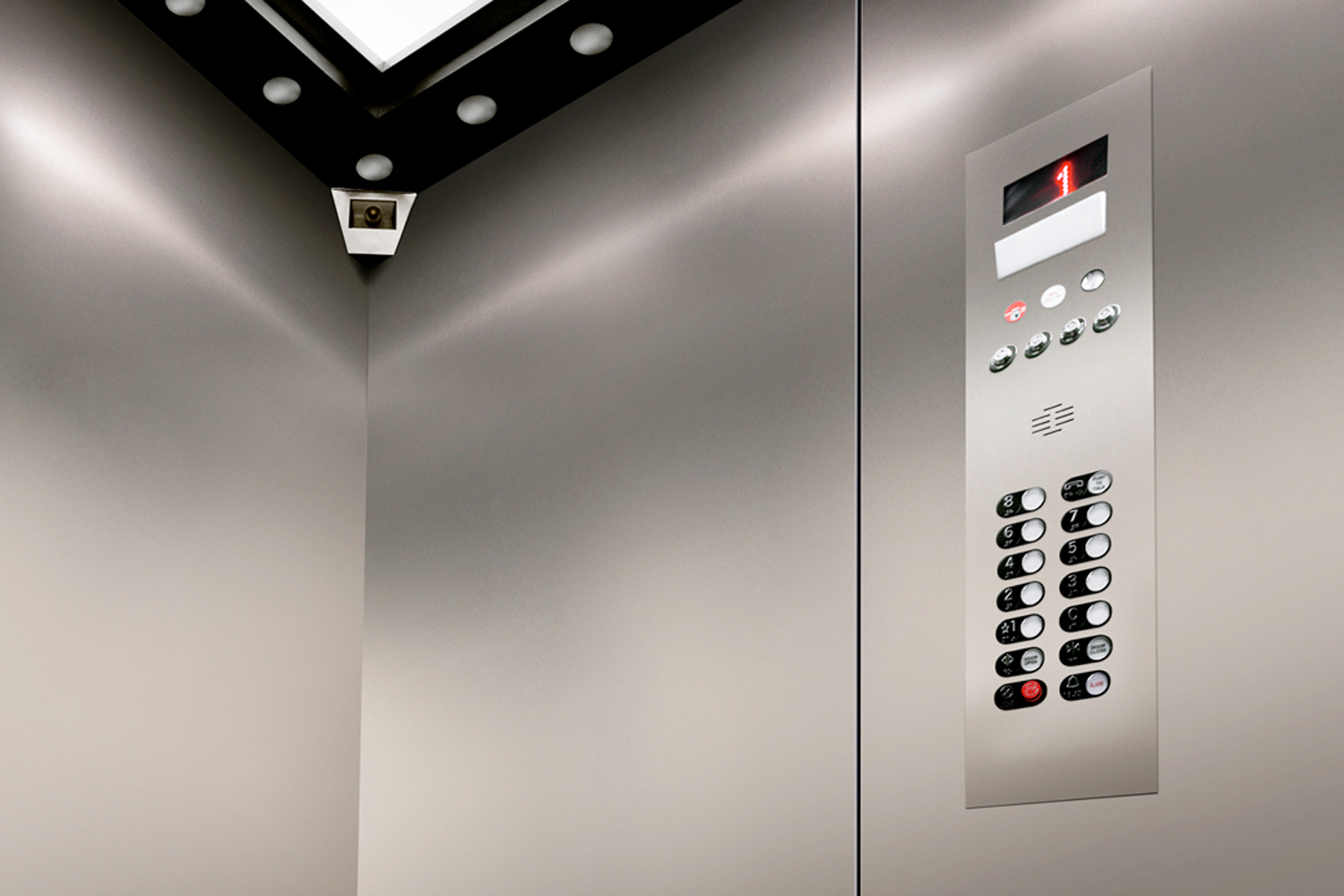
Credit: elevatemonitoring.com
Controversies Around Elevator Cameras
Elevator cameras have sparked many debates. People wonder about their safety benefits versus personal privacy. These cameras help stop crimes and record incidents. Still, many question if they invade private space. The presence of cameras inside elevators raises strong feelings. Understanding the controversies helps us see both sides clearly.
Privacy Concerns
Many feel cameras in elevators invade privacy. Elevators are small, enclosed spaces. People expect some level of privacy there. Constant recording can make riders feel watched. Some worry about who watches the footage. Privacy laws differ in many places. Not all systems follow strict rules. This causes discomfort and mistrust among users.
Misuse And Abuse Cases
There are cases where elevator cameras were misused. Some people accessed footage without permission. This led to stalking or harassment. In rare cases, footage was shared online illegally. Such abuse harms victims and breaks trust. Security measures must prevent these problems. Proper laws and controls are needed to stop misuse.
Technology Trends In Elevator Monitoring
Elevator monitoring has changed a lot with new technology. Cameras inside elevators help keep people safe. The latest trends focus on smart systems that can do more than just record video. These systems improve security and make elevators smarter and safer.
Technology in elevator monitoring now includes advanced cameras and integration with building security. These tools help detect problems quickly and respond to emergencies. They also make it easier to watch over many elevators at once.
Ai And Smart Cameras
Smart cameras use artificial intelligence (AI) to analyze video in real time. They can spot unusual behavior or emergencies. AI helps reduce false alarms by understanding normal elevator use. These cameras can alert security staff immediately if something seems wrong.
AI also helps in managing crowd control inside elevators. It counts people and checks if the elevator is overloaded. This technology improves safety and efficiency during busy times.
Integration With Building Security
Elevator cameras now connect directly with building security systems. This link allows quick sharing of video with security teams. It helps in fast decision-making during emergencies.
Integration means elevator security is part of the whole building’s safety plan. Cameras work with alarms and access control. This creates a stronger, smarter security network for the building and its occupants.
Credit: www.quora.com
What To Do If You Spot A Camera
Spotting a camera in an elevator can raise many questions. Not every camera is bad or illegal. Some are placed for safety and security. Knowing what steps to take helps protect your privacy. Acting smart and calm is key. Here’s what to do if you notice a camera.
Checking Legitimacy
Look closely at the camera’s size and position. Official cameras are often small and fixed. They usually have a visible lens and wiring. Some cameras have signs nearby explaining their use. Public buildings often post notices about surveillance. If the camera seems hidden or unusual, be cautious. Try to find out who installed it. Legitimate cameras serve to protect people, not spy on them.
Reporting Suspicious Activity
Tell building management or security about strange cameras. Provide exact location details and camera description. If you feel unsafe, contact local authorities. Reporting helps stop illegal spying or harassment. Keep records of your report for future reference. Don’t touch or remove the camera yourself. Let professionals handle the situation carefully and legally.
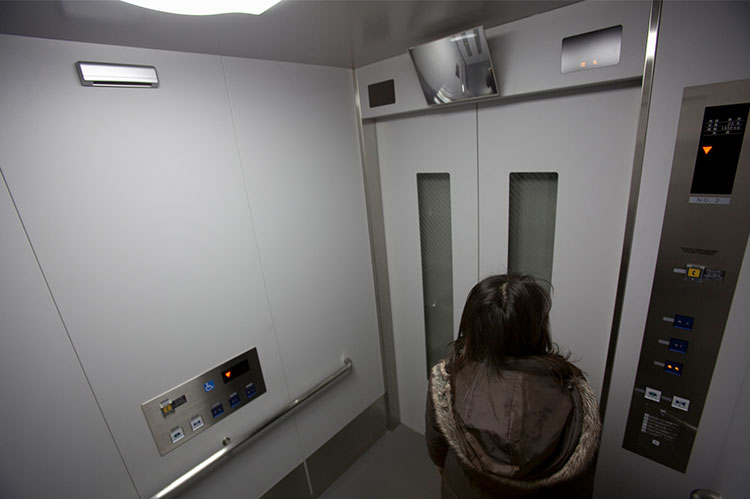
Credit: champion-elevator.com
Frequently Asked Questions
Do Elevators Usually Have Surveillance Cameras?
Most modern elevators are equipped with cameras for security. They help monitor activity and deter vandalism or crime inside the elevator.
Why Are Cameras Installed Inside Elevators?
Cameras inside elevators enhance safety by recording incidents. They provide evidence in case of emergencies or disputes, ensuring passenger security.
Are Elevator Camera Recordings Private And Secure?
Elevator camera footage is generally restricted to authorized personnel. Security protocols protect recordings to maintain privacy and prevent misuse.
Can Elevator Cameras Detect Emergencies Or Accidents?
Some elevators use cameras alongside sensors to detect emergencies. This helps prompt quicker responses from building security or emergency services.
Conclusion
Elevators often have cameras for safety and security reasons. These cameras help monitor activity inside the elevator. They can prevent vandalism and protect passengers from harm. People should know that cameras are usually there to keep everyone safe. Privacy concerns exist, but rules guide camera use carefully.
Overall, elevator cameras add an extra layer of safety in buildings. Staying aware of this can help people feel more secure. Simple steps like this keep public spaces safer for all.
As an Amazon Associate, I earn from qualifying purchases.
