
Imagine having speakers that sound just right for your space, built by your own hands. You don’t need to settle for off-the-shelf options that don’t quite fit your style or budget.
When you make your own speakers, you control every detail—from the design to the sound quality. This not only saves you money but gives you a sense of pride every time you hit play. Ready to discover how simple and rewarding building your own speakers can be?
Keep reading, and you’ll learn everything you need to know to get started today.
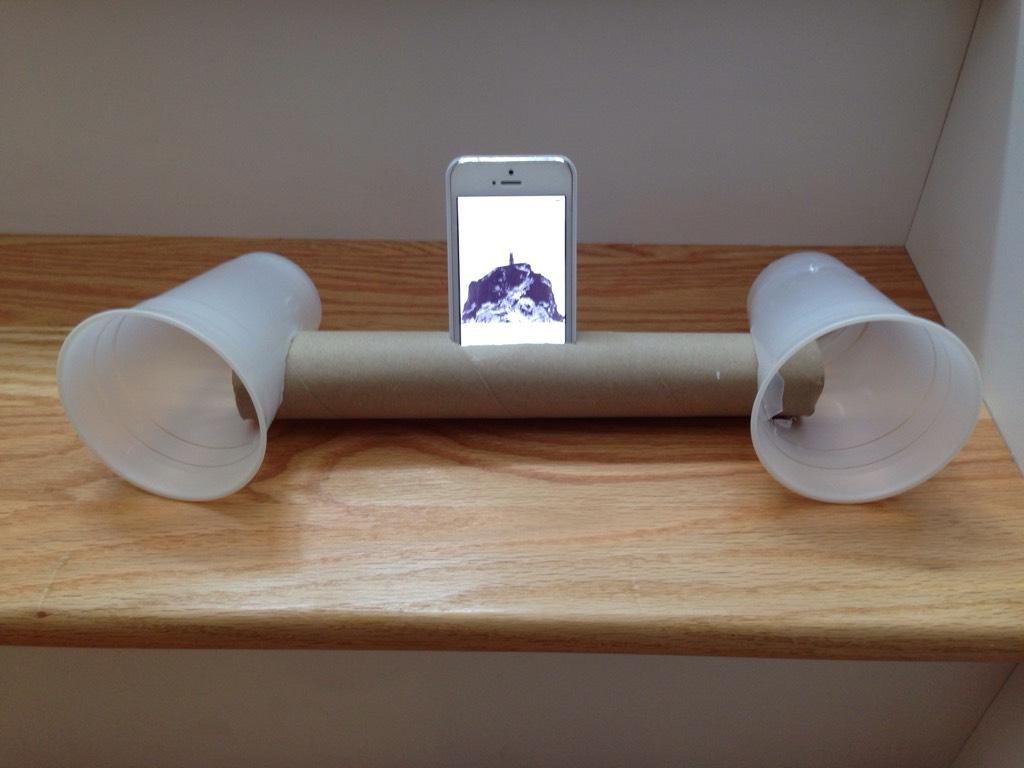
Credit: kdfoundation.org
Choosing The Right Materials
Choosing the right materials is key to building good DIY speakers. The materials affect sound quality and durability. Picking suitable parts helps create speakers that sound clear and last long. This guide covers wood choices, speaker parts, and tools needed for building.
Affordable Wood Options
Wood is the main material for speaker boxes. MDF (Medium Density Fiberboard) is popular. It is strong, smooth, and easy to cut. Plywood is another good choice. It is lighter and offers good sound quality. Avoid softwoods like pine. They can cause vibrations and affect sound.
Speaker Drivers And Components
Speaker drivers turn electrical signals into sound. Choose drivers based on size and type. Woofer drivers handle low sounds. Tweeters produce high sounds. Midrange drivers cover middle frequencies. Quality components improve sound clarity and volume. Look for brands with good reviews for reliability.
Essential Tools For Building
Basic tools make building easier and safer. A saw helps cut wood precisely. Screwdrivers and drills are needed for assembly. Sandpaper smooths rough edges. Clamps hold pieces firmly while gluing. A measuring tape ensures correct dimensions. Having the right tools saves time and effort.
Designing Your Speaker
Designing your own speaker is a fun and creative process. It lets you control the sound quality and style. Good design improves sound and makes your speaker look great. Start with simple ideas and build up from there.
Careful planning helps you avoid common mistakes. Every choice affects how your speaker sounds. Focus on shape, size, and materials to get the best results.
Basic Enclosure Shapes
Speaker enclosures come in a few simple shapes. The most common are rectangular, cube, and cylindrical. Rectangular boxes are easy to build and work well. Cubes offer balanced sound but may need more space. Cylindrical shapes reduce standing waves inside the box. Choose a shape that fits your space and sound goals.
Calculating Speaker Dimensions
Correct size is key to good sound. Use formulas or online tools to find the right box volume. The volume depends on the speaker driver you use. Small drivers need smaller boxes; large drivers need bigger ones. Also, think about the box’s width, height, and depth. These affect how the sound waves behave inside the enclosure.
Soundproofing Techniques
Soundproofing stops unwanted noise from escaping the box. Use soft materials like foam or fiberglass inside the enclosure. These materials absorb sound waves and reduce echo. Seal all edges and joints tightly to prevent air leaks. Good soundproofing makes your speaker sound clearer and richer.
Step-by-step Assembly
Building your own speakers can be a rewarding project. The process involves careful steps to ensure good sound quality and durability. This section guides you through the assembly with clear instructions. Follow each step to create speakers that suit your needs.
Cutting And Preparing Materials
Start by choosing the right wood or MDF board for the enclosure. Use a saw to cut panels to the correct size. Smooth the edges with sandpaper to avoid rough surfaces. Check each piece for accuracy and fit. Proper cutting ensures the enclosure will be strong and airtight.
Assembling The Enclosure
Join the panels using wood glue and clamps. Hold pieces firmly until the glue sets. Reinforce corners with small nails or screws. Seal all joints with silicone or wood filler. A well-sealed box prevents sound leaks and improves performance.
Installing Drivers And Wiring
Place the speaker drivers in their cutouts on the enclosure. Secure them with screws. Connect the wires from the drivers to the crossover or terminal cup. Make sure all connections are tight and correct. Test the wiring with a multimeter for safety. Proper installation affects sound clarity and speaker durability.
Testing And Tuning
Testing and tuning your DIY speakers is a key step to get the best sound. It helps find small problems and makes your speakers sound clear and balanced. Taking time to test and adjust means you enjoy music the way it should be heard. This process includes checking the sound first, adjusting the tones, and making the bass stronger.
Initial Sound Check
Start by playing different types of music or sounds. Listen carefully for any buzzing or rattling noises. Check if all parts of the speaker work well. Play sounds at low and high volumes to see how the speaker handles them. This helps find any weak spots or errors early.
Adjusting Frequency Response
Frequency response means how well your speaker plays low, mid, and high sounds. Use an equalizer to change the sound levels. Raise or lower the bass, midrange, or treble until the sound feels natural. Test with many songs to find the best settings. This step makes the sound clear and balanced.
Improving Bass Performance
Bass makes music feel full and powerful. If the bass is weak, try moving your speaker closer to a wall or corner. Add some damping material inside the speaker box to reduce unwanted vibrations. Adjust the size of the port if your speaker has one. These changes help the bass sound deep and strong.
Customizing Your Speakers
Customizing your DIY speakers lets you create a unique sound and look. It helps match your room style and personal taste. Small changes can make your speakers stand out. You can also improve sound quality with simple upgrades.
Finishing And Painting Tips
Start with sanding your speaker box smooth. Use fine-grit sandpaper for the best finish. Apply a primer before painting for better color. Choose paint that suits the material of your box. Use spray paint for even coverage. Let each coat dry fully before adding another. For a natural look, try wood stain instead of paint.
Adding Grilles And Covers
Grilles protect speaker drivers from dust and damage. Choose fabric that lets sound pass easily. Stretch the fabric tightly over a wooden or plastic frame. Attach the grille with small clips or magnets. Covers can add style and keep your speakers safe. Pick colors that match your room decor.
Upgrading Components Later
Start with basic parts to save money. Upgrade drivers or crossovers later for better sound. Swap out old wires for higher-quality cables. Test each new component before final installation. Keep your speaker box design flexible for easy upgrades. Small improvements can change your listening experience a lot.

Credit: kdfoundation.org
Troubleshooting Common Issues
Troubleshooting common issues is key to enjoying your DIY speakers fully. Small problems can spoil the sound quality or cause damage. Quick checks and fixes keep your speakers working well. This guide covers frequent problems and easy solutions. Follow these tips to improve your speaker experience.
Distortion And Buzzing Sounds
Distortion makes music sound unclear or harsh. Buzzing is a low, annoying noise. Both can come from weak wiring or bad parts. Check the speaker wires for damage or loose ends. Replace old or poor-quality cables. Make sure the amplifier and speakers match in power. Avoid turning volume too high as it causes distortion.
Loose Connections
Loose connections cause sound to cut out or fade. Check all wiring inside and outside the speaker. Secure wires tightly in terminals or connectors. Use a screwdriver or pliers to fasten connections firmly. Inspect solder joints on speaker parts. Re-solder any weak or broken points. Good connections improve sound and prevent damage.
Enclosure Vibrations
Vibrations make rattling or buzzing noises in the speaker box. These come from loose screws or thin panels. Tighten all screws on the enclosure carefully. Add foam or rubber pads inside to absorb vibrations. Use thicker wood or better materials for building enclosures. A solid box gives cleaner, richer sound quality.
Cost-saving Tips
Building your own speakers can save money and be fun. You do not have to spend a lot to get good sound. Smart choices make a big difference in cost. Small changes in buying parts or using old items help a lot. Here are some easy tips to save money on DIY speakers.
Sourcing Discounted Parts
Buy parts from online sales or clearance sections. Many stores drop prices on leftover stock. Check local electronics shops for deals on speakers and wires. Bulk buying can also lower the cost per piece. Watch for coupons or discount codes online before buying.
Repurposing Old Electronics
Use parts from old radios, computers, or TVs. Speakers and wires from old devices still work well. It saves money and reduces waste. Carefully take out working components and test them first. Old electronics often have quality parts that fit DIY projects.
Diy Vs Buying Kits
Buying a full kit is easy but costs more. Kits come with all parts but have less chance to save. Making your own parts list lets you choose cheaper items. DIY also helps you learn more about speaker building. Compare prices and decide what fits your budget best.

Credit: kdfoundation.org
Frequently Asked Questions
What Materials Do I Need For Diy Speakers?
You need speaker drivers, wood or MDF for the box, wiring, a crossover, and speaker terminals. Basic tools like a saw and soldering iron are also essential. Quality materials ensure better sound and durability.
How Much Does It Cost To Build Diy Speakers?
Costs vary but typically range from $50 to $200 depending on components and materials. Using recycled parts can reduce expenses. Building your own speakers is often cheaper than buying branded ones.
Can Beginners Successfully Build Their Own Speakers?
Yes, beginners can build speakers with proper guidance and simple designs. Start with basic kits or tutorials to learn assembly and wiring. Patience and careful work improve the outcome and learning experience.
How Do I Improve Sound Quality In Diy Speakers?
Use quality drivers and ensure airtight, well-sealed enclosures. Proper crossover design and damping materials reduce distortion. Position speakers correctly for optimal sound dispersion. Testing and adjustments help refine audio performance.
Conclusion
Building your own speakers can be a fun and rewarding project. It helps you learn about sound and electronics. You control the design and quality. Plus, it saves money compared to buying ready-made ones. Start with simple plans and grow your skills step by step.
Enjoy the process, and soon you will hear your own creations. DIY speakers bring pride and better sound to your space. Give it a try and see how satisfying it feels.
As an Amazon Associate, I earn from qualifying purchases.

