
Have you ever wondered if thermal printers need ink to work? It’s a common question because most printers you know use ink cartridges.
But thermal printers are different, and understanding how they operate can save you time and money. If you want to know whether you’ll need to buy ink or replace cartridges, keep reading. This simple fact can change the way you think about printing forever.
Let’s uncover the truth about thermal printers and ink.
Credit: brothermobilesolutions.com
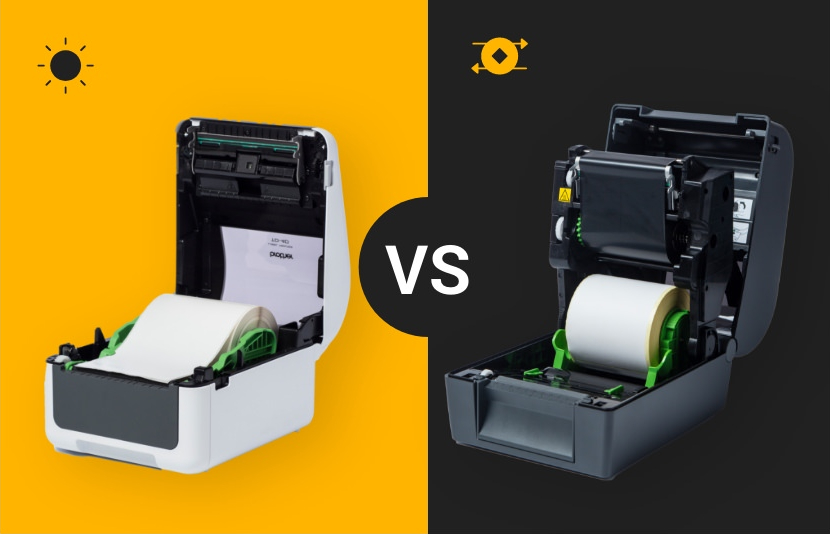
How Thermal Printers Work
Thermal printers create images using heat. They do not use traditional ink cartridges. Instead, they rely on special paper or ribbons that react to heat. This method makes printing fast and clean.
There are two main types of thermal printing. Each works a bit differently but both use heat as the key element.
Direct Thermal Printing
Direct thermal printing uses heat-sensitive paper. The printer head heats specific spots on the paper. The heat causes the paper to turn black in those areas. This forms the image or text you want to print.
No ink, toner, or ribbon is needed. The image appears directly on the paper. This method is simple and cost-effective for short-term uses like receipts.
Thermal Transfer Printing
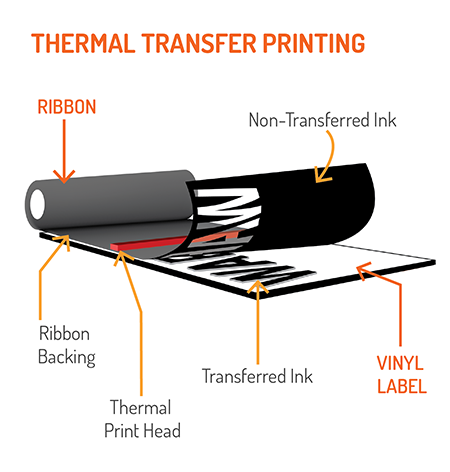
Thermal transfer printing uses a ribbon coated with wax or resin. The printer heats the ribbon, melting the coating. The melted coating sticks to the paper or label. This creates a durable and clear print.
This method is ideal for printing long-lasting labels. It works well on different materials, such as plastic or fabric. Thermal transfer prints resist fading and smudging better than direct thermal prints.
Ink Usage In Thermal Printers
Thermal printers are popular for their speed and ease of use. Many wonder if these printers need ink to work. The answer depends on the type of thermal printer. Some use ink, while others do not. Understanding the ink usage helps choose the right printer for your needs.
Ink Requirements For Direct Thermal
Direct thermal printers do not use ink. They print by heating special paper. The heat changes the paper color to create images or text. This method means no ink cartridges or ribbons are needed. It also lowers the cost of printing supplies.
Direct thermal printing is simple but has limits. The printed images may fade over time or with heat exposure. This type works well for short-term labels and receipts.
Ink In Thermal Transfer Method
Thermal transfer printers use ink in a special ribbon. The ribbon melts ink onto paper or labels. This process creates durable and long-lasting prints. The ink sticks well to many surfaces.
This method requires replacing ink ribbons regularly. It suits printing barcodes, product labels, and items needing clear, lasting marks. The quality is higher but costs more than direct thermal printing.
Common Myths About Thermal Printing
Thermal printing is common in many businesses and homes. Yet, many people have wrong ideas about how it works. These myths can confuse those new to thermal printers. Clearing these up helps users understand the real benefits and limits of thermal printing.
Myth: Thermal Printers Always Need Ink
Many think thermal printers need ink like regular printers. This is not true. Thermal printers use heat to print on special paper. They do not use ink cartridges or ribbons. The paper changes color when heated, creating the image or text. This method reduces cost and mess since no ink is needed.
Myth: Thermal Printing Is Low Quality
Some believe thermal printing produces poor quality prints. In fact, thermal printing can be very clear and sharp. It works best for labels, receipts, and barcodes. The print quality depends on the printer and paper used. High-quality thermal printers create professional and durable prints.
Benefits Of Inkless Thermal Printing
Inkless thermal printing offers many benefits over traditional ink-based methods. It uses heat to create images on special paper, eliminating the need for ink cartridges or ribbons. This makes thermal printers simpler and more cost-effective for many uses.
Thermal printing is common in receipts, labels, and tickets. It reduces waste and saves time. The process is fast and reliable, helping businesses run smoothly without frequent printer issues.
Cost Savings
Thermal printers do not need ink or toner, which cuts costs. No need to buy cartridges or ribbons means fewer supplies to manage. This saves money over time, especially for high-volume printing jobs.
Paper is the main expense in thermal printing. Special thermal paper is affordable and easy to buy. The printer itself also tends to be less expensive than inkjet or laser models.
Maintenance Advantages
Thermal printers require less maintenance because they have fewer moving parts. No ink means no smudges or clogs that can cause printer jams. This leads to less downtime and fewer repairs.
Cleaning a thermal printer is simple. Regular wiping of the print head keeps it working well. The printer runs smoothly for longer, reducing service costs and effort.
When Ink Is Necessary In Thermal Printing
Thermal printers mostly do not need ink to print. They use heat to create images on special paper. Yet, some types of thermal printing need ink to work well. This happens in certain processes where the printer transfers color from a ribbon to the paper.
Understanding when ink is necessary helps choose the right thermal printer. It also shows why some printers use ribbons and others do not.
Thermal Transfer Ribbon Usage
Thermal transfer printers use a ribbon coated with ink. The printer heats the ribbon to melt the ink onto the paper. This method needs ink to produce sharp and durable prints.
The ribbon comes in different colors and materials. It creates clear labels and images on various surfaces. This ink is essential for printing on plastic, cardboard, and other non-thermal papers.
Applications That Require Ink
Many industries use thermal transfer printing with ink ribbons. For example, barcodes on products need long-lasting ink prints. Shipping labels also require ink to resist smudging and fading.
Ink is vital for printing on materials that heat alone cannot mark. It ensures the text or graphics stay clear over time. This is important for safety labels, asset tags, and outdoor signs.
Credit: resources.duralabel.com
Choosing The Right Printer For Your Needs
Selecting a printer can be confusing. Many types exist with different uses.
Thermal and inkjet printers serve different purposes. Knowing their differences helps you decide.
This section explains key factors to help pick the best printer for you.
Comparing Thermal And Inkjet Printers
Thermal printers do not use ink. They use heat to print on special paper.
Inkjet printers spray tiny drops of ink on paper. They can print color images.
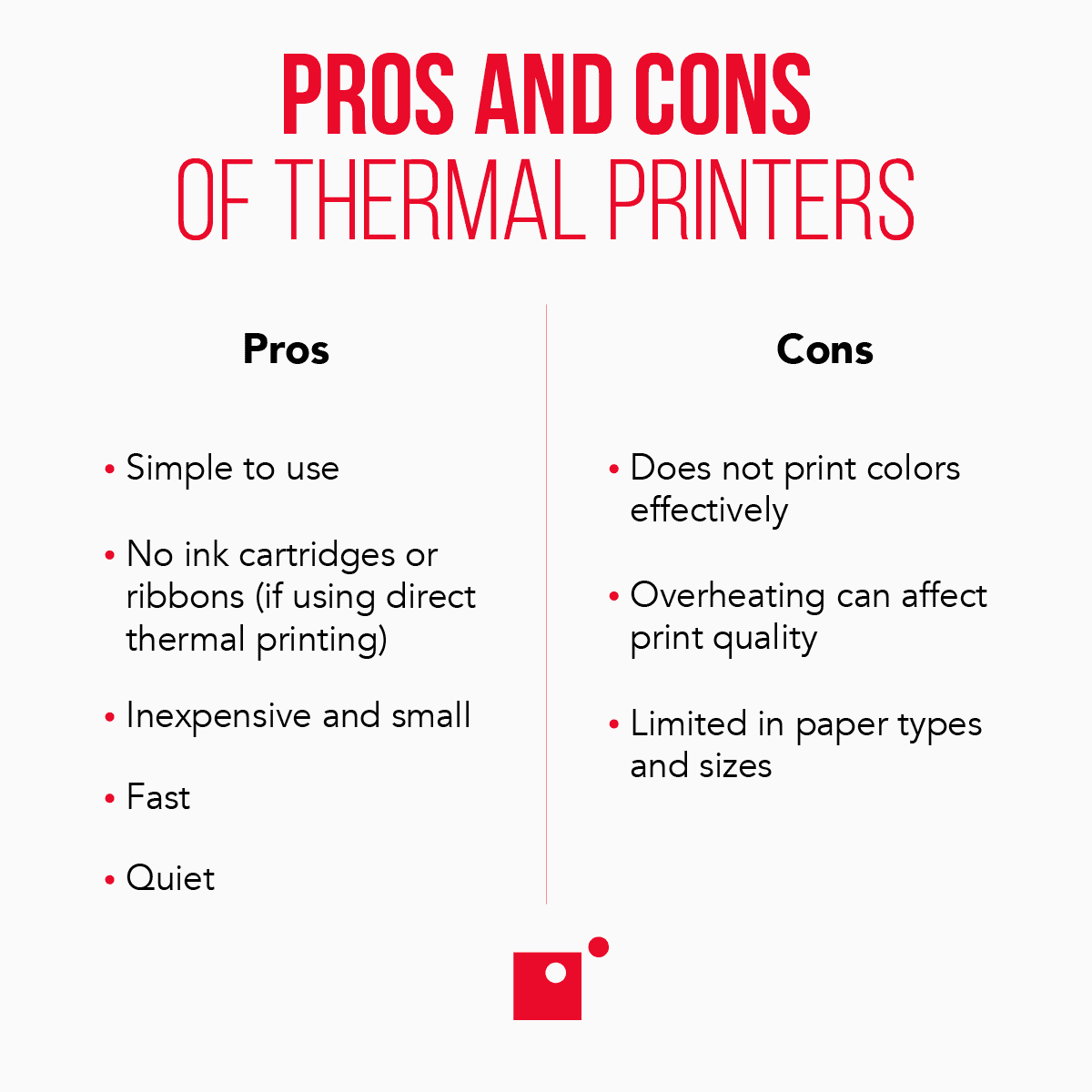
Thermal printers are fast and quiet. Best for labels and receipts.
Inkjet printers work well for photos and documents. They offer more color options.
Factors To Consider
Think about what you want to print most. Paper type, color needs, and speed.
Cost matters too. Inkjet printers need ink cartridges that can be expensive.
Thermal printers need special heat-sensitive paper, but no ink refills.
Consider printer size and noise. Some offices need quiet and compact models.
Look at how often you print. Heavy use may need a durable, low-cost printer.
Credit: www.impactmybiz.com
Frequently Asked Questions
Do Thermal Printers Require Ink Cartridges?
No, thermal printers do not require ink cartridges. They use heat-sensitive paper that changes color when heated. This eliminates the need for traditional ink.
How Do Thermal Printers Print Without Ink?
Thermal printers use a thermal print head that heats specific areas on special paper. The heat causes the paper to darken, creating an image or text without ink.
Are Thermal Printer Prints Long-lasting?
Thermal prints can fade over time, especially if exposed to heat or sunlight. However, using high-quality thermal paper can improve the print’s longevity significantly.
What Types Of Paper Do Thermal Printers Use?
Thermal printers use thermal paper, which is coated with a heat-sensitive layer. This paper is essential for creating images without ink in thermal printing.
Conclusion
Thermal printers do not use ink like regular printers. They use heat to create images on special paper. This makes them simple and low-cost to run. No need to buy ink or toner cartridges. Just make sure to use the right thermal paper.
These printers work well for receipts, labels, and tickets. They offer fast printing with minimal maintenance. Understanding how thermal printers work helps you choose the best printer for your needs. Easy, clean, and efficient. That’s the key.
As an Amazon Associate, I earn from qualifying purchases.
