Have you ever wondered if sitting too close to the TV could actually hurt your eyes? Maybe you’ve heard warnings from parents or friends, but you’re not sure if it’s true.
You might be surprised to learn what really happens when you get too close to the screen. Your eyes work hard to keep up with the images, and understanding this can help you protect your vision without giving up your favorite shows.
Keep reading to discover the facts, clear up the myths, and learn simple tips to watch TV comfortably and safely.

Credit: sites.psu.edu
Eye Strain And Screen Distance
Eye strain is a common problem for many people who spend time in front of screens. Sitting too close to the TV can cause discomfort and tired eyes. Understanding how screen distance affects your eyes helps reduce strain and keeps your vision clear.
How Screen Distance Affects Eyes
Sitting very close to the TV forces your eyes to work harder. Your eye muscles tighten to focus on the screen. This constant effort can cause fatigue and discomfort. The ideal distance depends on the size of your TV. A good rule is to sit at least five times the screen’s height away. This distance helps your eyes relax and reduces the risk of strain.
Common Symptoms Of Eye Strain
Eye strain shows up with several signs. You might feel dry or itchy eyes. Blurred vision or headaches are common too. Some people notice a burning feeling or difficulty focusing. These symptoms often appear after long screen use. Taking breaks and adjusting your screen distance can ease these problems.
Credit: theopticalshoppetn.com
Myths About Sitting Close To The Tv
Many people worry that sitting too close to the TV can damage their eyes. This idea is common but not fully true. It is important to understand the myths about sitting near the screen. This helps us take care of our eyes with the right knowledge.
Origins Of The Myth
Long ago, TVs had large, bright screens that could hurt eyes if watched too closely. People thought sitting near would cause eye damage. Parents warned children to sit far away. This advice spread quickly and became a common belief.
Also, early TVs had flickering images. This flicker could tire the eyes fast. People linked eye strain to sitting close. The myth grew stronger over time without clear proof.
Why People Believe It
Many believe sitting close to the TV causes poor vision. They see their eyes feel tired or dry after watching. This feeling can make people think their eyesight is harmed.
Eye strain is real, but it comes from focusing too long, not distance. The mind connects tired eyes to damage. This causes fear and more distance from the screen.
Parents want to protect children’s eyes. They pass down this advice without checking facts. The myth stays alive through generations.
Scientific Research On Screen Proximity
Many people wonder if sitting too close to the TV harms their eyes. Scientific research has studied how screen distance affects eye health. Researchers tested how the eyes react to different viewing distances and screen sizes. This helps us understand if sitting near the TV causes real damage or just discomfort.
Studies On Eye Health And Tv Viewing
Scientists conducted experiments with children and adults watching TV at close range. They measured eye strain, dryness, and focusing problems. Most studies found no permanent damage from sitting close. The eyes may feel tired or irritated after long viewing periods. But these symptoms usually go away with rest.
Findings On Long-term Effects
Long-term research shows no clear link between sitting close to the TV and lasting eye problems. No evidence supports that short distance causes nearsightedness or vision loss. Eye health depends more on overall screen time and lighting conditions. Experts advise taking breaks and blinking often to keep eyes comfortable.
Factors Influencing Eye Discomfort
Eye discomfort from watching TV depends on several factors. Sitting close might not always cause harm. The way you watch plays a big role. Brightness, contrast, and how long you watch affect your eyes. Understanding these can help reduce strain and keep your eyes comfortable.
Screen Brightness And Contrast
Too bright screens can tire your eyes quickly. Low brightness in a bright room also causes strain. Good contrast helps your eyes focus better. Avoid very bright or very dim settings. Adjust your TV to match your room’s light.
Viewing Time And Breaks
Long watching sessions stress your eyes. Taking short breaks helps your eyes rest. Follow the 20-20-20 rule: every 20 minutes, look 20 feet away for 20 seconds. This reduces eye fatigue and dryness. Regular breaks keep your eyes fresh.
Tips For Comfortable Tv Watching
Watching TV should be a relaxing experience for your eyes. Sitting too close or poor room setup can cause discomfort. Follow simple tips to enjoy TV without strain. These tips help keep your eyes comfortable and reduce tiredness.
Ideal Viewing Distance
Keep a proper distance from your TV screen. The best distance depends on the screen size. For a 40-inch TV, sit about 5 to 6 feet away. Bigger screens need more space. This distance helps reduce eye strain and lets you see the picture clearly.
Try to keep your eyes level with the center of the screen. Avoid sitting too close to avoid sharp brightness. Your eyes will thank you for the right spacing.
Lighting And Room Setup
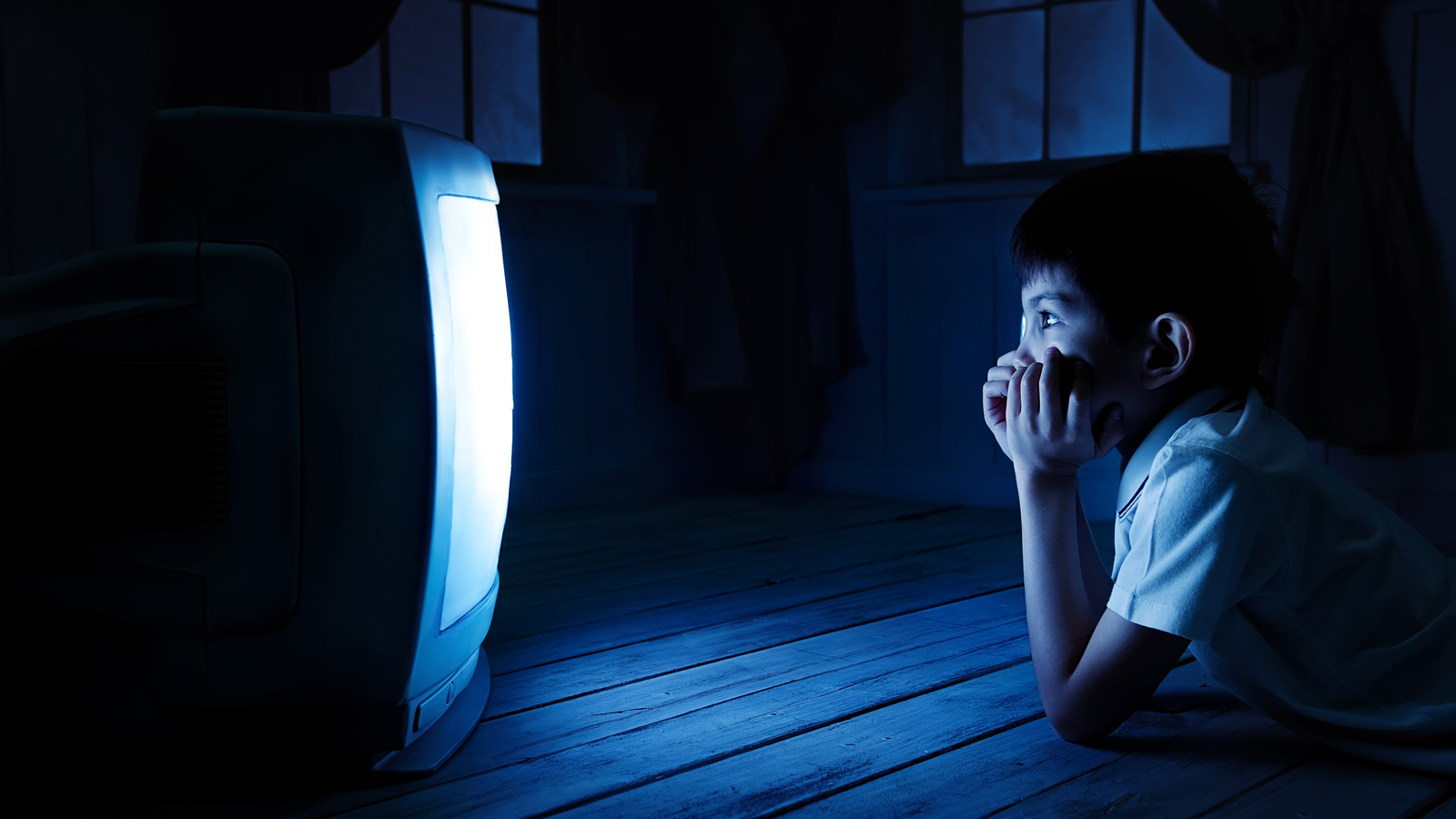
Light affects how your eyes feel during TV time. Avoid watching in a dark room with a bright screen. Use soft lights or lamps around the room. This reduces glare and prevents your eyes from working too hard.
Position the TV to avoid reflections from windows or lights. Use curtains or blinds to control outside light. A well-lit room with balanced light makes TV watching more comfortable.
When To See An Eye Specialist
Knowing when to see an eye specialist is important for good eye health. Sitting too close to the TV may cause eye strain, but some signs need more attention. Early visits to an eye doctor can prevent serious problems. Watch for symptoms that do not go away or get worse over time.
Signs Of Serious Eye Issues
Blurred or double vision can signal a serious problem. Persistent eye pain or headaches after watching TV need a check-up. Sudden changes in vision, like flashes of light or dark spots, require immediate care. Redness or swelling that does not improve is a warning sign. Difficulty focusing or seeing at night also needs expert advice.
Preventive Eye Care Measures
Take regular breaks while watching TV to reduce eye strain. Follow the 20-20-20 rule: every 20 minutes, look at something 20 feet away for 20 seconds. Keep a proper distance from the screen, about 6 to 8 feet. Use good lighting in the room to avoid glare. Get regular eye exams to catch problems early and protect your vision.

Credit: willvision.com
Frequently Asked Questions
Does Sitting Too Close To The Tv Damage Eyesight?
Sitting too close to the TV does not cause permanent eye damage. It may cause temporary eye strain or discomfort but won’t harm vision long-term. Proper lighting and breaks reduce strain when watching TV up close.
How Far Should I Sit From The Tv Screen?
Experts recommend sitting at least 1. 5 to 2. 5 times the diagonal screen size away. For a 40-inch TV, sit about 5 to 8 feet back. This distance helps reduce eye strain and provides optimal viewing comfort.
Can Sitting Close To The Tv Cause Headaches?
Yes, sitting too close to the TV can cause eye strain that leads to headaches. The eyes work harder to focus, causing discomfort. Taking breaks and adjusting distance helps prevent headaches.
Is Blue Light From Tvs Harmful To Eyes?
Blue light from TVs can cause digital eye strain but is unlikely to cause permanent damage. Limiting screen time and using blue light filters reduce eye discomfort and improve sleep quality.
Conclusion
Sitting very close to the TV can cause eye strain and discomfort. Your eyes work harder to focus on the screen. This can lead to headaches and tired eyes. Keeping a safe distance helps your eyes stay relaxed. Take regular breaks to rest your eyes during long viewing.
Good lighting also reduces eye stress. Watching TV should be comfortable, not painful. Protect your vision by giving your eyes a break. Small habits make a big difference in eye health.
As an Amazon Associate, I earn from qualifying purchases.